
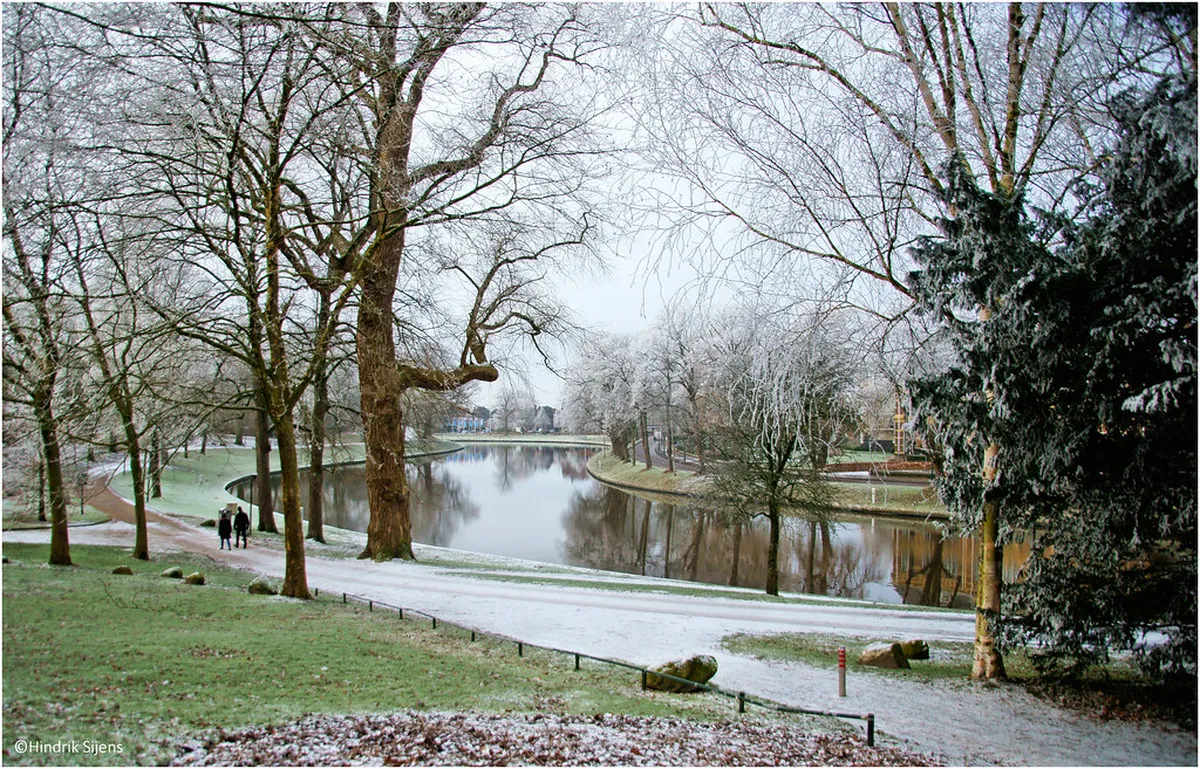
When is the Best Time for Snow on Mount Tsurumi?
Are you looking for the best time for snow on Mount Tsurumi during your next trip? This mountain peak in Beppu offers some of the most stunning winter views in all of Japan. Many visitors come to see the unique frost patterns that cover the trees in pure white. Planning your visit for early 2026 is an exciting way to experience the local winter magic.
Peak Months for Snow and Frost
The best time for snow on Mount Tsurumi usually begins in late December of each calendar year. You can see beautiful white landscapes from the top of the mountain during this cold season. Most travelers visit between January and February to see the heaviest snow accumulation on the trees. This period offers the most consistent winter weather for your 2026 trip to the Beppu area.
Snowfall remains common through early March on the higher slopes of this beautiful mountain peak. Temperatures at the summit stay much lower than in the coastal city of Beppu located below. You should check the local weather forecast before you start your journey up the slopes. Clear days provide the most stunning views of the surrounding snowy landscape and the blue ocean.
Visiting during the weekdays helps you avoid the large crowds of weekend tourists and local visitors. You will have more space to take photos of the beautiful Mount Tsurumi winter frost. Early morning trips often provide the crispest air and the freshest snow on the mountain trees. Plan to arrive at the base station before the first ropeway car departs for the summit.
The Magic of Rime Frost Patterns
The unique rime frost is a major reason why people visit this mountain in the winter. This phenomenon occurs when water droplets in the fog freeze onto the branches of the trees. Locals call this beautiful natural art 'muhyo' and it creates a stunning silver forest effect. You can see these delicate ice crystals most clearly during the coldest days of January.
Strong winds from the sea help shape these ice crystals into long and very sharp needles. These patterns look like white coral growing from the bark of the local mountain trees. The contrast between the bright white frost and the deep blue sky is truly spectacular. Photographers often spend several hours capturing the intricate details of these natural winter ice sculptures.
The frost is very fragile and can melt quickly if the sun becomes too warm. This is why arriving early in the morning is the best strategy for your winter visit. You can watch the sunlight sparkle off the ice as the day begins to brighten. This magical atmosphere makes the cold temperatures feel much more pleasant for every single visitor.
Practical Tips for Your 2026 Visit
You should check the Beppu Ropeway winter schedule before you leave your hotel. The ropeway usually operates from nine in the morning until five in the evening every day. A round trip ticket for an adult costs approximately one thousand six hundred Japanese yen. You can find more details on the official Beppu Ropeway website for current updates.
The journey from the base to the top takes about ten minutes in a large cabin. You will rise over five hundred meters during this short and very scenic mountain trip. Keep your camera ready to capture the changing views as you ascend into the snowy clouds. The cabins are enclosed and provide some protection from the biting winds of the high mountain.
There are small shops at the base station where you can buy hot drinks and snacks. These warm treats are perfect for heating up after you spend time at the cold summit. You can also find restrooms and seating areas to rest before your next winter adventure begins. Make sure to keep your ticket safe for the return trip back down the mountain.
Essential Gear for Snowy Conditions
Wearing the correct items from a winter clothing checklist is essential for your comfort. Temperatures at the top of the mountain can drop well below zero degrees Celsius daily. You should wear thermal layers and a heavy waterproof jacket to stay warm and dry. Sturdy boots with good grip will help you walk safely on the icy mountain paths.
Gloves and a warm hat are necessary to protect your skin from the freezing mountain air. You might also want to bring a scarf to cover your face against the strong winds. Hand warmers are available for purchase at many local convenience stores in the city of Beppu. These small heat packs can keep your fingers warm while you take your beautiful photos.
Protecting your camera equipment from the cold and moisture is another very important step for travelers. Cold weather can drain your batteries much faster than you might expect during your trip. Keep your spare batteries in an inner pocket close to your body to keep them warm. A simple plastic cover can protect your lens from the falling snow and the mist.
Frequently Asked Questions
What is the best month for snow on Mount Tsurumi?
The best time for snow on Mount Tsurumi is from late December until early March. You will find the most snow during the peak months of January and February. These months offer the coldest temperatures which help maintain the beautiful white rime frost on the trees.
Is the Beppu Ropeway open during the snowy season?
Yes, the ropeway remains open during the winter unless the winds become dangerously strong for the cabins. It is the easiest way to reach the summit to see the snow and frost. Always check the weather forecast before you travel to the base station for your trip.
How cold does it get at the top of Mount Tsurumi?
Temperatures at the summit often fall between minus five and minus ten degrees Celsius in winter. The wind chill can make it feel even colder when you are standing on the viewing decks. Proper winter clothing is required to enjoy the scenery without feeling too cold or uncomfortable.
Seeing the snow on Mount Tsurumi is a highlight of any winter trip to Beppu. Plan your visit for January 2026 to enjoy the best frost and snowy mountain scenery. Do not forget to explore other Beppu winter events after you finish your mountain adventure. We hope you have a wonderful time exploring the beautiful white landscapes of Japan.