
Top Kyoto Winter Events 2026: A Complete Seasonal Guide
Kyoto transforms into a beautiful winter wonderland during the colder months of the year 2026. You can see ancient temples covered in soft white snow during your special visit. Many travelers enjoy the quiet atmosphere and unique cultural festivals held throughout the city. Use these Kyoto winter travel tips 2026 to plan a perfect and warm vacation.
Key Takeaways
- Visit Kitano Tenmangu in late February for the best plum blossoms.
- Use heat packs and layers to stay warm during outdoor festivals.
- Book your New Year's Eve dinner reservations several weeks in advance.
Magical Night Illuminations in Kyoto
For current hours, prices, and announcements, start with Kyoto travel info.
To plan your trip, review Kyoto travel info.
Kyoto glows with thousands of lights during the cold winter nights of 2026. Many public parks and historic shrines host spectacular light festivals for visitors to enjoy. These displays create a romantic and magical atmosphere for families and couples alike. You will see millions of colorful LED lights decorating the city streets and gardens.The Kyoto winter illumination festivals 2026 are truly spectacular events you should not miss. Most of these events start in late November and run through December. Some special displays continue into February to celebrate the coming of the spring. Each location offers a unique theme and beautiful photo opportunities for every guest.
Visit the Rohm Illumination for one of the largest light displays in the city. This event features a long road lined with massive trees covered in lights. Each tree glows with thousands of warm bulbs to brighten the dark winter nights. It is a favorite spot for local residents and tourists to walk together.
The Kyoto Botanical Garden also hosts a wonderful light show during the winter. You can walk through glowing tunnels of light and see illuminated flower beds. The event usually requires a small entry fee of around 500 yen per person. Check the Kyoto City Official Travel Guide for the exact 2026 dates.
Arashiyama often features special night lighting in the famous bamboo grove during December. The tall bamboo stalks look completely different under the soft glow of lanterns. This area can get very crowded on weekends during the peak event times. Try to visit on a weekday evening for a much quieter experience.
Traditional New Year Celebrations in Kyoto
New Year is the most important holiday for people living in Japan today. Locals call this special time Oshogatsu and follow many ancient and sacred traditions. Many Kyoto New Year's Eve events 2026 focus on local temples and shrines. You will hear large bells ringing across the city at midnight.
Visit Chion-in Temple to see the famous giant bell being rung by monks. Seventeen monks work together in unison to ring the massive bronze bell. This ritual happens 108 times to clear away the sins of the past year. It is a powerful and spiritual experience that attracts many quiet observers.
Hatsumode is the very first shrine visit people make in the new year. People go to pray for good health and luck for their family members. Fushimi Inari Taisha is a very popular choice for this traditional New Year visit. Expect long wait times and large crowds during the first three days.
Try eating some traditional Toshikoshi Soba on New Year's Eve at a local shop. These long buckwheat noodles represent a long and healthy life for the eater. Many small restaurants near Yasaka Shrine serve these noodles hot for hungry visitors. Prices for a bowl usually range from 1,000 to 1,500 yen.
Watch the unique Okera-mairi fire ritual held at Yasaka Shrine on New Year's Eve. People bring home sacred fire on a thin straw rope to start a fire. This ancient tradition is believed to bring good luck for the coming year. It is a fascinating sight to see in the heart of Kyoto.
The Exciting Kyoto Winter Events 2026 for Families
Setsubun marks the traditional beginning of the spring season in the Japanese calendar. It takes place every year on February 3rd at many shrines and temples. The Kyoto Setsubun festival guide 2026 highlights many fun and interactive rituals. You can join the locals in throwing roasted beans at demons.
People shout "Oni wa soto, fuku wa uchi" during this lively and loud event. This phrase means "Demons out, good luck in" to protect the home. This ritual helps to clear away bad luck and welcome a fresh start. Many shrines give out free packets of beans to all the visitors.
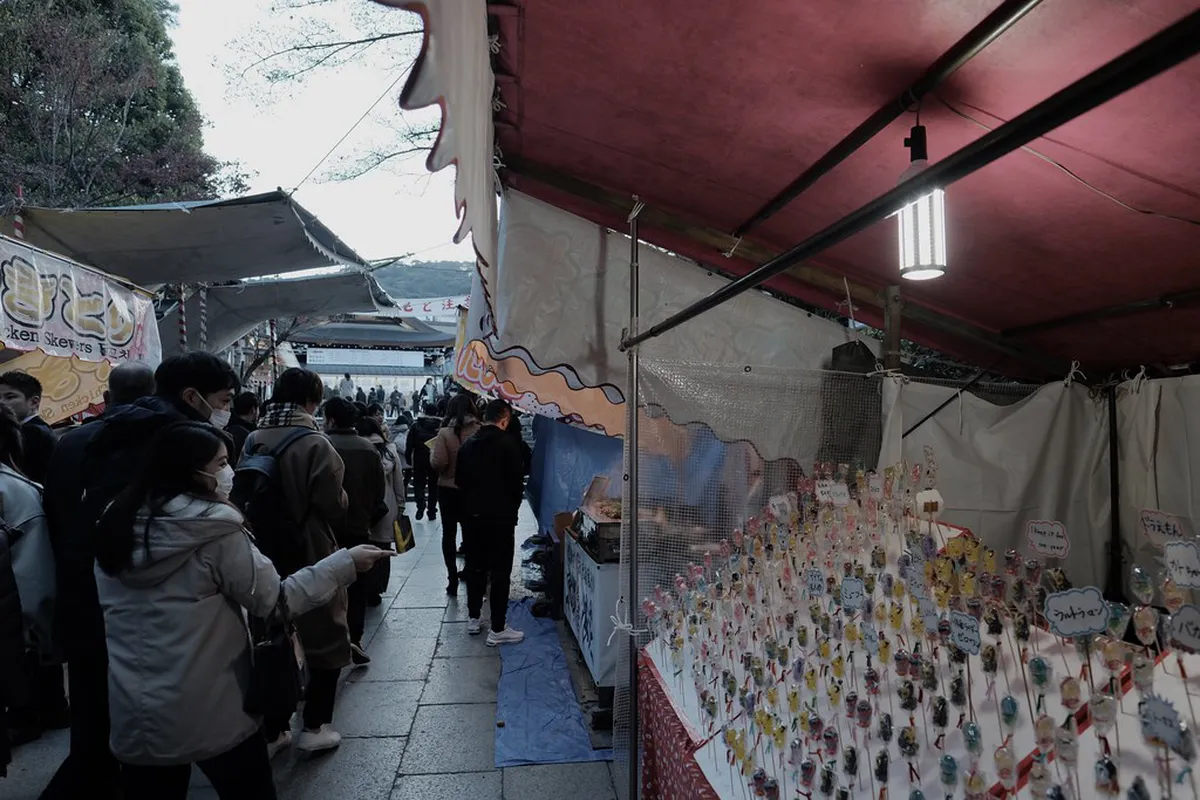
Yoshida Shrine hosts the largest and most famous Setsubun celebration in all of Kyoto. You will find hundreds of traditional food stalls selling delicious snacks and drinks. The festival features a large bonfire on the final night of the celebration. It attracts thousands of visitors who want to see the giant flames.
Head to Yasaka Shrine to see beautiful geisha performances on the outdoor stage. Maiko and geiko throw packets of beans from a high stage to the crowd. This event is very popular with photographers who want to see traditional dress. Arrive at least two hours early to get a good viewing spot.
Eat a lucky Ehomaki sushi roll for dinner on the night of Setsubun. You must eat the entire roll in complete silence while making a wish. Make sure to face the lucky direction designated for the year 2026. Most convenience stores sell these special rolls during the first week of February.
Early Plum Blossom Viewing Spots
Plum blossoms are the very first sign of spring in the city of Kyoto. They usually start blooming in late February while the air is still cold. These flowers have a very sweet and strong scent that fills the gardens. You can find them in beautiful shades of pink, white, and red.
Following a Kyoto plum blossom viewing 2026 plan is essential for flower lovers. Kitano Tenmangu Shrine is the best place to visit for this seasonal event. It has over 1,500 plum trees planted across its vast and historic grounds. The plum garden opens to the public in early February each year.
The shrine holds a special tea ceremony on February 25th to honor the flowers. Geisha from the nearby Kamishichiken district serve hot tea to the guests. This event celebrates the spirit of the plum blossoms and local culture. Tickets for the tea service cost around 2,000 yen per person.
Jonangu Shrine is famous for its stunning weeping plum trees in the south. The pink flowers hang down from the branches like beautiful floral waterfalls. This spot is perfect for peaceful afternoon walks and taking colorful photos. It is located away from the busiest parts of the city center.
Plum blossoms differ from the famous cherry blossoms in several very distinct ways. They bloom much earlier than the Sakura and have a stronger scent. Their petals are round and they grow directly on the tree branches. Visit early in the morning to avoid the largest tourist crowds.
Best Winter Comfort Food and Dining
Winter in Kyoto can feel very cold and damp for many travelers. Eating the best winter food in Kyoto helps you stay warm and energized. Try a hot bowl of Yudofu at a traditional temple restaurant. This boiled tofu dish is a healthy and local winter specialty.
Nanzen-ji Temple has many famous tofu restaurants located just outside its gates. A full multi-course meal usually costs between 3,000 and 5,000 yen. The delicate flavors are perfect for a quiet and warm winter lunch. It is a traditional way to warm your body from the inside.
The Fushimi district is the best area for sake lovers to explore. Winter is the peak season for traditional sake brewing in this region. Many local breweries offer tastings of fresh and new sake to visitors. Visit the Gekkeikan Okura Sake Museum for an informative and fun tour.
Warm up with a hot matcha latte in the historic Gion district. Many cozy cafes offer traditional Japanese sweets served with hot green tea. Look for places that feature "Kotatsu" heated tables for your legs. These tables keep you very cozy while you rest your feet.
Fresh crab is another winter delicacy that you should try in Kyoto. Many high-end restaurants serve crab caught in the nearby Sea of Japan. You can enjoy it grilled, boiled, or served in a hot pot. This seasonal treat is available from November through the month of March.
Winter Photography and Practical Travel Tips
Capturing the perfect snow photo in Kyoto requires very good timing. Snow in the city center does not usually last for very long. Follow a Kyoto winter photography spots guide for the best locations. Kinkaku-ji looks amazing when its gold walls reflect off white snow.
Wear many thin layers of clothing to stay warm while you explore. The humidity in Kyoto can make the cold air feel much sharper. Use small heat packs called "Kairo" that you can buy anywhere. Stick them inside your coat pockets to keep your hands warm.
Buy a daily travel pass for the city bus and subway lines. This pass costs about 1,100 yen for adults for one day. It covers most of the major tourist sites and event locations. Using the subway is often faster than the bus in winter.
Check the weather forecast every day on the Japan National Tourism Organization website. Snow usually falls during the months of January and February in Kyoto. Be careful of slippery ice on the stone temple steps. Wear shoes with a good grip for walking on wet surfaces.
Many temples close their gates earlier during the winter season months. Plan your visits between 9:00 AM and 4:00 PM for most sites. This gives you enough daylight to see the beautiful architecture. Evening events usually begin around 5:30 PM after the sun sets.
Frequently Asked Questions
Does it snow often in Kyoto during the winter?
Snow falls in Kyoto a few times each year, mostly in January. It rarely stays on the ground for more than a day. Northern areas like Ohara see more snow than the city center. You should check the best winter onsen near Kyoto for snowy mountain views.
What is the best event to attend in January?
The Toka Ebisu Festival is a major highlight in early January. It takes place at Ebisu Shrine to pray for business success. You can see lucky bamboo branches decorated with gold charms. It is a very lively event with many street food stalls.
Are temples and shrines open on New Year's Day?
Yes, almost all temples and shrines remain open on New Year's Day. In fact, this is their busiest time of the entire year. Some museums and shops may close for the first few days. Always check the specific hours for each location before you go.
Kyoto Winter Events 2026 offer a unique look into Japanese culture and beauty. From glowing lights to sacred rituals, there is something for every traveler. Make sure to explore the many indoor winter activities in Kyoto if it gets too cold. Start planning your magical winter journey to this historic city today.