Top Nikkō Winter Events 2026: Festivals and Magic
Nikkō offers a stunning winter landscape that draws many travelers from across the entire world every single year. Visiting the various Nikkō Winter Events 2026 will provide you with memories that last for a very long lifetime. You can explore ancient shrines and frozen waterfalls while enjoying the peaceful atmosphere of this historic Japanese mountain city. This guide helps you plan your trip to see the best festivals and natural wonders in this beautiful region.
Key Takeaways
- Visit in February for the best snow conditions and festival dates.
- Use the Nikkō All Area Pass to save money on mountain transportation.
- Dress in warm layers and wear waterproof boots for the icy paths.
- Book your private kamakura dining experience several weeks in advance.
Yunishigawa Kamakura Festival 2026
To plan your trip, review Nikkō travel info.
For the most up-to-date details, check Nikkō travel info before you go.
The Yunishigawa Kamakura Festival 2026 is one of the most famous winter events in the entire Tochigi Prefecture area. It features hundreds of small snow huts called kamakura that are illuminated with glowing candles every single night. This event usually takes place from late January until the beginning of March in the remote Yunishigawa Onsen village. Visitors can walk along the river to see the magical lights reflecting off the cold and white winter snow.You can also enjoy a traditional dining experience by booking a private barbecue inside a much larger snow hut. These larger kamakura are big enough to hold a small group of people for a very cozy winter meal. Local restaurants serve delicious regional dishes that will keep you warm while you sit inside the frozen snow structure. Please remember to book your Yunishigawa Kamakura Festival 2026 guide experience well in advance to ensure a spot.
The atmosphere at night is truly special because the village is tucked away deep inside the quiet Nikkō mountains. You will see many photographers trying to capture the perfect shot of the glowing huts against the dark sky. The festival also includes fun snow activities for children like sledding and building their own small snowmen near the river. It is a great destination for families who want to experience the traditional side of a Japanese winter holiday.
To reach this remote location, you should take a bus from the Kinugawa-Onsen Station which takes about fifty minutes. The mountain roads can be very icy, so using public transportation is often the safest way to travel there. Many visitors choose to stay overnight in a local ryokan to enjoy the hot springs after the festival ends. This allows you to fully immerse yourself in the local culture and enjoy the quiet beauty of the night.
Nikkō Toshogu Shrine Winter Illumination
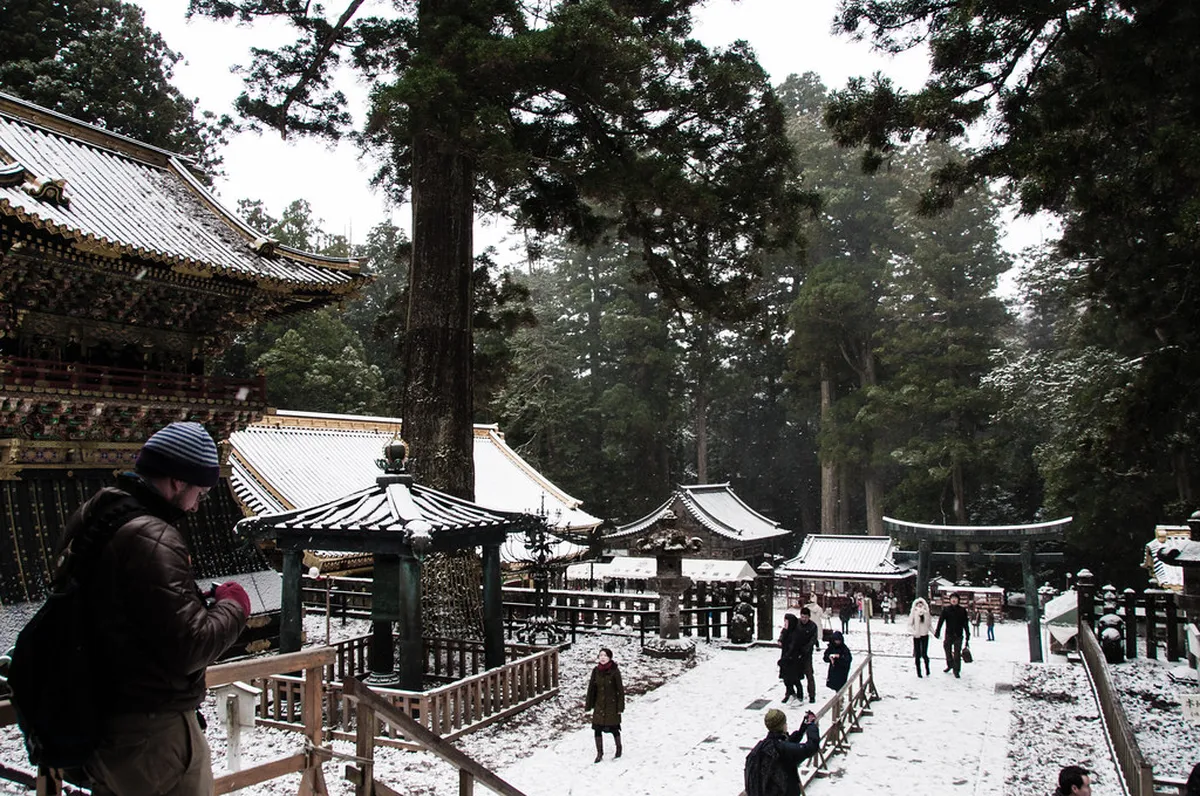
The Nikkō Toshogu Shrine is a UNESCO World Heritage site that looks incredible when covered in white powdery snow. During the Nikkō Winter Events 2026, the shrine often holds special night illumination events for visitors to enjoy. The golden carvings and colorful details of the buildings create a sharp contrast against the cold and dark winter sky. Walking through the sacred grounds at night provides a completely different perspective than visiting during the busy daylight hours.
You should check the official schedule for the Nikkō Toshogu winter illumination 2026 before you finalize your travel plans. These lighting events usually happen on specific weekends in February to celebrate the peak of the winter season in Japan. The Five-Story Pagoda is often the highlight of the display with bright lights emphasizing its beautiful and ancient architecture. It is a perfect time for photography enthusiasts to capture the spiritual essence of this famous Japanese landmark.
Crowds are generally much smaller in the winter compared to the peak autumn leaf season or the busy summer months. This means you can take your time exploring the intricate wood carvings and the famous Three Wise Monkeys display. The air is crisp and clean, which makes the entire experience feel more peaceful and respectful for every visitor. Make sure to wear shoes with good grip because the stone steps can become very slippery when frozen.
The shrine is located within walking distance from the main town area, but many people prefer taking a local bus. You can find more information about the history of the site on the UNESCO World Heritage Centre website. Entry fees remain the same during the winter, but some areas might close early if the weather is bad. Always check the weather forecast before you head out to ensure the shrine is open for guests.
Frozen Wonders at Kegon Falls
Kegon Falls is one of the most famous waterfalls in Japan and it transforms into a frozen masterpiece every winter. The massive 97-meter drop often freezes into pillars of blue ice that look like they belong in a movie. This natural phenomenon is a highlight of the Nikkō Winter Events 2026 for anyone who loves the great outdoors. You can take an elevator down to the lower viewing platform to see the ice from a close distance.
The mist from the waterfall often freezes on the surrounding trees and rocks, creating a sparkling landscape of white ice. This area is much colder than the main town, so you must dress in several layers to stay warm. You can find more details in our Kegon Falls winter ice guide to help you prepare for your visit. The view from the top observation deck is also free and offers a wide perspective of the valley.
Lake Chuzenji is located just a short walk away from the falls and offers beautiful views of the snowy mountains. The water remains a deep blue color which looks striking against the white snow covering the shores of the lake. Some boat cruises still operate during the winter months, allowing you to see the landscape from the middle of the water. It is a quiet and serene place that feels far away from the busy streets of modern Japanese cities.
There are several small shops near the waterfall entrance that sell warm snacks and hot drinks to help you recover. You should try the local grilled fish or a cup of hot amazake while you enjoy the freezing mountain air. Many visitors combine a trip to the falls with a visit to the nearby Chuzenji-ji Temple for more culture. The bus ride from the central station takes about forty minutes and passes through the famous Irohazaka Winding Road.
Nikkō Yumoto Onsen Winter Festival 2026
The Yumoto Onsen area is located at a higher altitude and receives much more snow than the lower Nikkō town. This makes it the perfect location for the Nikkō Yumoto Onsen Winter Festival 2026 held every year. The festival features a large display of snow sculptures and small kamakura huts that are lit with colorful LED lights. It is a very family-friendly event with plenty of space for children to play safely in the deep snow.
One of the best things to do in Yumoto is to soak in an outdoor hot spring while snow falls. The contrast between the hot volcanic water and the freezing air is an experience you will never forget in Japan. Many local ryokans offer day-use passes for their baths if you are not staying overnight in the village area. The sulfur-rich water is famous for its healing properties and will leave your skin feeling very soft and clean.
During the festival, you can see the "snow monsters" which are trees covered in so much snow they look like creatures. These trees are illuminated at night to create a spooky and magical forest atmosphere for all the festival visitors. There are often small firework displays on certain nights to celebrate the opening of the winter season in the mountains. It is a great place to escape the crowds and enjoy a more local and authentic festival experience.
To get to Yumoto Onsen, you will need to take a bus to the very last stop on the line. The journey takes about eighty minutes from the main station but the views along the way are absolutely worth it. You will pass by frozen lakes and snowy forests that look like a scene from a beautiful winter postcard. Make sure to check the bus schedule carefully as services are less frequent during the cold winter months.
Snowshoeing Adventures in Okunikkō
If you enjoy being active, you should try snowshoeing in the Okunikkō region during your winter trip to Japan. The Senjogahara Marshland offers flat and easy trails that are perfect for beginners who want to explore the snowy wild. You can see beautiful views of Mount Nantai and other surrounding peaks while you walk through the quiet winter woods. Our Okunikkō snowshoeing and hiking guide provides all the information you need to get started safely.
You do not need to bring your own equipment because there are several places to rent gear in the village. Most rental shops provide snowshoes, poles, and waterproof boots for a very reasonable daily fee for all international tourists. Some shops also offer guided tours if you are worried about finding your way on the snowy mountain trails. These guides can show you the best spots for photography and help you identify local plants and animal tracks.
Wildlife spotting is a popular activity in this area because many animals are active during the cold winter months. You might see wild monkeys playing in the snow or deer searching for food near the edges of the forest. It is important to keep a safe distance from the animals and never try to feed them your food. The silence of the marshland is very peaceful and offers a great break from the noise of the city.
Always check the local weather conditions and trail maps before you start your snowshoeing adventure in the high mountains. The weather can change very quickly in the Nikkō area, so you should always carry a map and extra food. Tell someone at your hotel where you are going and when you expect to return for your own safety. Exploring the snowy wilderness is a highlight of the Nikkō Winter Events 2026 for many adventurous travelers.
Essential Travel Tips for Nikkō
Planning a trip to see the Nikkō Winter Events 2026 requires some preparation to ensure you stay warm and safe. The Nikkō All Area Pass offers great value for travelers who want to explore the entire region. You can use this pass to ride the local buses and trains without paying for every single trip. It also provides discounts at some of the most popular tourist attractions and local shops in the city.
Wearing the right clothing is the most important part of enjoying your time in the cold Nikkō winter weather. You should use the layering system with a thermal base layer, a warm middle layer, and a waterproof jacket. Don't forget to bring warm gloves, a hat, and thick wool socks to protect your hands and your feet. Many local convenience stores sell heat packs called kairo that you can put in your pockets for extra warmth.
Nikkō is famous for its delicious local food, especially the specialty known as Yuba, which is made from soy milk. You can find many restaurants serving hot Yuba noodles or fried Yuba snacks that are perfect for a winter meal. For more dining ideas, check our guide on Nikkō winter food and dining for the best local spots. Trying the local sake is also a great way to warm up after a long day of sightseeing.
Most people visit Nikkō as a day trip from Tokyo, but staying overnight is highly recommended during the winter. This gives you more time to see the evening illuminations and enjoy the hot springs without rushing back home. You can find many cozy ryokans and modern hotels that offer beautiful views of the snowy mountains and rivers. Booking your accommodation early is essential as the best places fill up quickly during the popular festival weekends.
Frequently Asked Questions
When is the best time to see Nikkō Winter Events 2026?
The best time to visit is between late January and mid-February. This period offers the most consistent snow and the peak dates for major festivals like Yunishigawa. You can also find great photography spots during these cold months.
How do I get to the Yunishigawa Kamakura Festival?
Take the Tobu Railway from Tokyo to Kinugawa-Onsen Station. From there, a local bus will take you to the festival site in about fifty minutes. Check the bus schedule in advance because services are limited in winter.
Is the Nikkō All Area Pass worth it in winter?
Yes, the pass is very worth it if you plan to visit Okunikkō or the Yunishigawa area. It covers all major bus routes and the train journey from Tokyo. It saves you money and makes travel much more convenient.
What should I wear for Nikkō winter festivals?
You should wear thermal undergarments, a heavy coat, and waterproof boots with good traction. Temperatures often drop below freezing, especially during the night illuminations. Don't forget to buy heat packs at a local store.
Nikkō is a magical destination that offers some of the best winter experiences in all of Japan for 2026. From the glowing snow huts of Yunishigawa to the frozen majesty of Kegon Falls, there is something for everyone. We hope this guide helps you plan an unforgettable trip to see the Nikkō Winter Events 2026. For more help with your travel plans, check out our Nikkō winter itinerary for a perfect three-day stay.