
Guide to Traditional Japanese New Year Food in Beppu
Experience the flavors of traditional Japanese New Year food in Beppu this coming 2026 season. This coastal city offers unique culinary delights during the Oshogatsu holidays. You will find special dishes that symbolize health and prosperity for the future. Many locals celebrate with regional recipes found only in Oita Prefecture.
Essential Osechi Ryori in Beppu
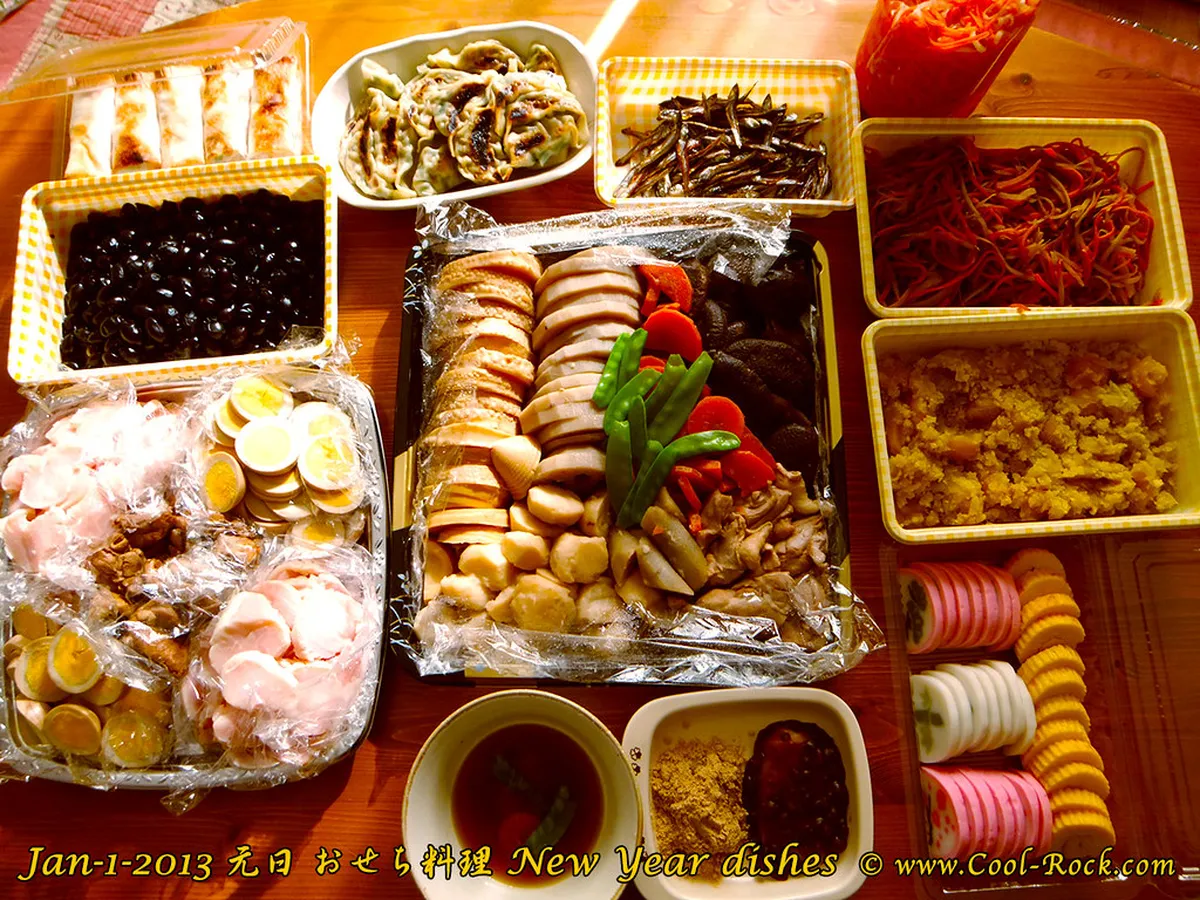
Osechi Ryori is the cornerstone of traditional Japanese New Year food in Beppu and beyond. These colorful dishes are packed in beautiful tiered boxes called jubako. Each ingredient holds a special meaning for the coming year of 2026. For example, black soybeans represent hard work and good health.
In Beppu, you might find local seafood included in these festive boxes. Fresh prawns from the nearby Bungo Channel signify a long life. Sweet chestnut mash called kurikinton represents wealth and financial success. Most families prepare these dishes several days before the New Year begins.
You can purchase high-end Osechi boxes at major department stores like Tokiwa. These sets often cost between 10,000 and 30,000 yen depending on size. Be sure to order your box by early December to ensure availability. Many hotels also offer special New Year menus for their staying guests.
Kyushu Style Ozoni Soup Traditions
Ozoni is a special soup containing mochi rice cakes eaten on New Year's Day. The style of this traditional Japanese New Year food in Beppu follows Kyushu traditions. Unlike Tokyo's clear broth, Kyushu versions often use a rich miso base. Local chefs add seasonal vegetables like satoimo yams and carrots.
The mochi used in Beppu is typically round rather than square. Round mochi symbolizes harmony and a smooth life without any sharp corners. Some families include chicken or local fish to enhance the savory flavor. This dish is usually the first meal eaten on January 1st, 2026.
You can try authentic Ozoni at various traditional ryokans throughout the city. Many shrines also serve small portions to visitors during hatsumode shrine visits in January. It is a warming meal perfect for the chilly winter morning air. The sticky texture of the mochi is a highlight for many diners.
Toshikoshi Soba for New Years Eve
Toshikoshi Soba is eaten on New Year's Eve to cross into the new year. These long buckwheat noodles represent a long and resilient life for the eater. Eating them is a vital part of Beppu New Year traditions 2026 celebrations. The noodles are easy to bite, symbolizing breaking off the past year's hardships.
Most soba shops in Beppu stay open late on December 31st to serve crowds. A standard bowl usually costs between 800 and 1,500 yen at local eateries. Popular toppings include tempura shrimp or sweet fried tofu known as kitsune. It is important to finish your noodles before the clock strikes midnight.
If you prefer a quiet night, many supermarkets sell ready-to-eat soba kits. These kits include fresh noodles, concentrated broth, and traditional garnishes like green onions. Simply boil the noodles at your accommodation for a quick festive meal. This tradition ensures you start 2026 with a clean slate and good luck.
Unique Jigoku Mushi Festive Steaming
Beppu offers a unique twist on traditional Japanese New Year food in Beppu. The city is famous for Jigoku Mushi, or "hell-steaming" using natural volcanic steam. During the New Year, some facilities offer special festive ingredients for steaming. You can steam fresh vegetables, eggs, and even seafood in the hot vapors.
Visit the Kannawa district to experience this ancient and healthy cooking method. The steam adds a distinct mineral flavor to the New Year ingredients. Many visitors enjoy steaming red and white kamaboko fish cakes for good luck. This interactive dining experience is perfect for families visiting during the 2026 holidays.
Cooking times vary but most items take between five and twenty minutes. You can find more information about local landmarks on the Beppu Jigoku Association website. This method is both environmentally friendly and incredibly delicious for winter. It provides a memorable way to enjoy traditional flavors with a local twist.
Frequently Asked Questions
Where can I buy Osechi Ryori in Beppu?
You can buy Osechi Ryori at the Tokiwa Department Store or local supermarkets like YouMe Town. It is best to place your order in early December. Some convenience stores also offer smaller, budget-friendly versions for individuals. These sets are usually ready for pickup on December 31st.
Are restaurants open for New Year food in Beppu?
Many local restaurants close from January 1st to January 3rd for the holidays. However, major hotels and some chain restaurants remain open to serve visitors. You should check the Beppu shop closures list before planning your meals. Always make reservations if you plan to dine out.
What is the most popular New Year food in Beppu?
Osechi Ryori and Ozoni soup are the most popular choices for New Year's Day. Toshikoshi Soba is the essential meal for New Year's Eve. In Beppu specifically, many people also enjoy Jigoku Mushi steamed dishes. These foods combine national traditions with unique local geothermal cooking methods.
Traditional Japanese New Year food in Beppu offers a wonderful way to experience local culture. From tiered Osechi boxes to steaming volcanic dishes, the flavors are truly unique. Plan your 2026 trip early to enjoy these seasonal delicacies in Oita. For more holiday tips, check out our guide on Beppu winter events today.