
Best Traditional Japanese New Year Food in Fukuoka 2026
Celebrate the arrival of 2026 by exploring the best Traditional Japanese New Year food in Fukuoka this winter. These symbolic dishes offer a delicious way to invite good luck and health into your new year. You will find unique regional flavors that make the holiday season in Kyushu truly special for every traveler.
Traditional Osechi Ryori in Fukuoka
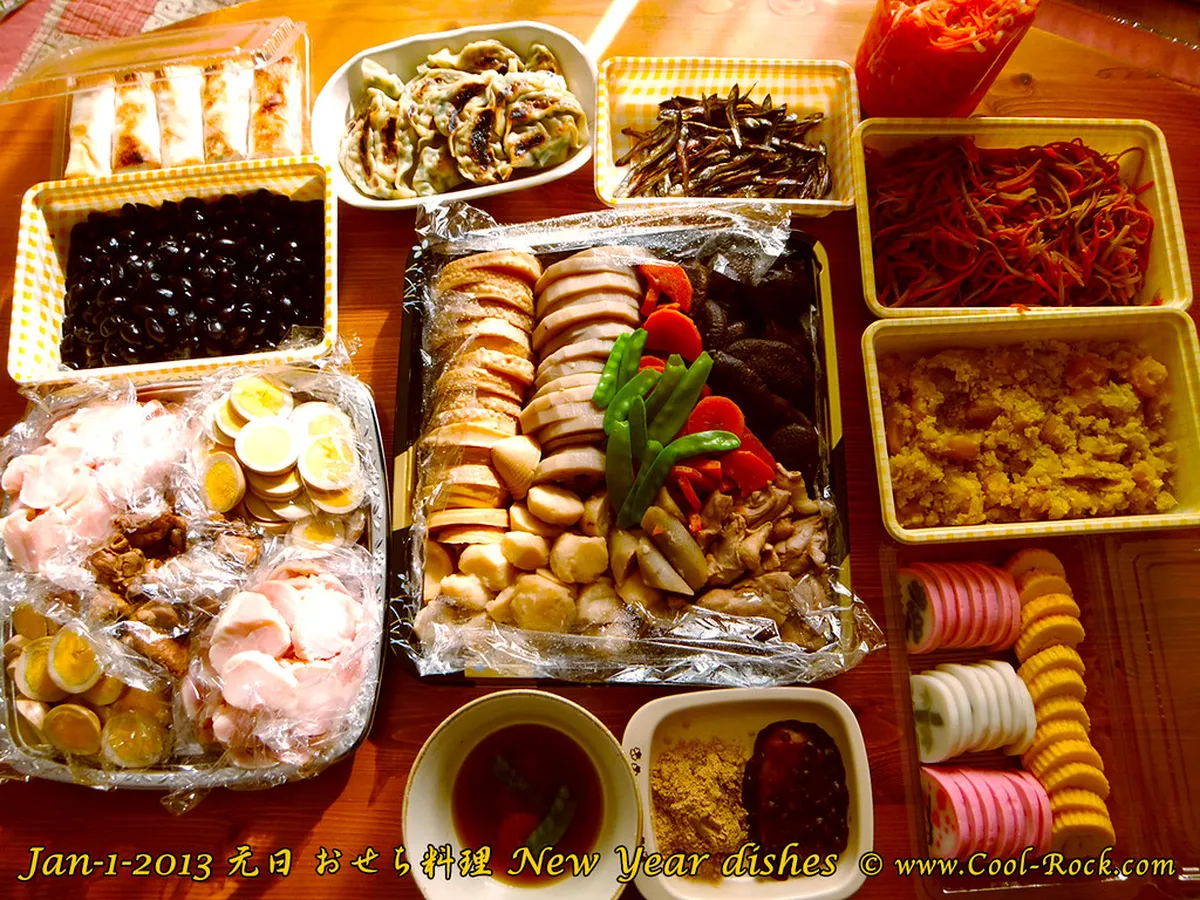
Osechi Ryori consists of several colorful boxes filled with many symbolic and lucky foods for the new year. Each specific dish represents a unique wish for health or wealth in the coming year of 2026. Fukuoka residents often include fresh regional seafood like yellowtail within these traditional and festive holiday boxes.
You can easily find these festive food boxes at major department stores like Iwataya or Mitsukoshi in Tenjin. Many families choose to order these expensive meals several weeks before the actual holiday begins in January. These boxes are a central part of the Fukuoka New Year 2026 Events happening across the city.
Black soybeans signify a wish for hard work while sweet chestnuts represent a desire for financial prosperity. Pickled lotus root is also included to symbolize having a clear and positive view of the future. High-quality Osechi boxes usually cost between 15,000 and 50,000 yen depending on the ingredients used.
If you are visiting Fukuoka, consider purchasing smaller individual portions from local basement food halls to sample. This allows you to experience many different flavors without buying a full and expensive multi-tiered box set. It is a perfect way to enjoy traditional tastes while staying within your travel budget.
Savoring Hakata Ozoni Soup
Ozoni is a traditional mochi soup that almost every Japanese family eats on the morning of New Year's Day. Fukuoka features a very specific regional version of this dish known as the famous Hakata Ozoni soup. This recipe uses a rich broth made from dried flying fish which locals call agodashi.
The soup typically contains round rice cakes, succulent yellowtail fish, and large flavorful shiitake mushrooms for extra depth. Local cooks also add Katsuo-na which is a leafy green vegetable grown specifically in the Fukuoka region. This vegetable is absolutely essential for creating an authentic and traditional local New Year culinary experience.
Finding a place to eat this soup can be difficult because most local restaurants close on January 1st. However, many large hotels in the Hakata area serve it as part of their festive breakfast menus. You should check the guide on what is open in Fukuoka on New Year's Day for more details.
The round shape of the mochi represents harmony and a smooth life throughout the upcoming year of 2026. Eating yellowtail is also significant because it is considered a fish that brings success and career promotions. This hearty soup provides the perfect warm start to a cold winter morning in Kyushu.
Lucky Toshikoshi Soba Traditions
Eating Toshikoshi Soba on New Year's Eve is one of the most important food traditions in all of Japan. These long buckwheat noodles represent a wish for a long and very healthy life for your family. Fukuoka locals visit famous soba shops across the city to enjoy a bowl on December 31st.
The noodles are very easy to break which symbolizes cutting off any hardships from the previous year of 2025. Many popular shops near Hakata Station offer special menus specifically for the busy New Year's Eve crowds. This meal is an essential part of the Fukuoka winter events 2026 celebrations.
You can expect to pay between 1,000 and 2,000 yen for a high-quality bowl of traditional soba. Be prepared to wait in long lines at the most famous noodle restaurants throughout the downtown districts. Most people try to finish their entire bowl of noodles before the clock strikes midnight.
Some diners prefer eating their soba cold with a savory dipping sauce and fresh green onions on top. Others enjoy the noodles served in a hot broth with crispy tempura shrimp or seasonal vegetables included. Both styles are widely available and provide a satisfying end to the current year.
Where to Eat New Year Food in Fukuoka
Most traditional restaurants in Fukuoka will close their doors during the first few days of the new year. However, luxury hotels like the Grand Hyatt Fukuoka remain open to serve international and local guests alike. They often provide elaborate New Year buffets that feature both Osechi Ryori and Hakata Ozoni soup.
The basement food courts in Mitsukoshi and Daimaru are excellent places to find high-quality takeaway festive meals. You can browse many different stalls to find the specific traditional dishes that look most appealing to you. For more dining information, visit the official YokaNavi Fukuoka Tourism website for updated listings.
Traditional street food stalls or yatai may also offer some festive snacks during the holiday evenings in 2026. While they rarely serve formal Osechi, they provide a lively and warm atmosphere for hungry winter travelers. Look for active stalls near the Nakasu River for a unique outdoor dining experience.
- Grand Hyatt Fukuoka: Offers traditional New Year breakfast sets.
- Iwataya Department Store: Best for purchasing premium Osechi boxes.
- Hakata Station: Many soba restaurants stay open late on New Year's Eve.
- Tenjin Area: Several cafes serve seasonal New Year sweets and matcha.
Regional Fukuoka New Year Sweets
New Year celebrations in Fukuoka are never complete without enjoying some traditional and beautiful Japanese seasonal sweets. Hanabira mochi is a special wagashi treat that people specifically enjoy during the first week of January. It features a soft white rice cake filled with sweet miso bean paste and burdock.
You can find these elegant treats at many traditional confectionery shops located within the Kawabata Shotengai arcade. They usually cost approximately 300 to 500 yen per piece and make for a great photo opportunity. These sweets are often served during the Kushida Shrine New Year celebration schedule of events.
Mochi pounding events often take place at various local shrines and temples during the first three days. You can watch as fresh rice is hammered into dough with large and heavy wooden mallets. This is a very fun and interactive activity for families who are visiting Fukuoka in 2026.
Freshly made mochi is often served with sweet red bean soup or toasted with a savory soy sauce. These warm treats are perfect for staying cozy while you explore the city's many beautiful winter shrines. Make sure to try at least one traditional sweet during your New Year visit.
Frequently Asked Questions
What is the most unique New Year food in Fukuoka?
Hakata Ozoni is the most unique dish because it uses a specific flying fish broth called agodashi. It also includes Katsuo-na greens and yellowtail fish, which are local specialties. This soup is traditionally eaten on New Year's morning to bring good luck for the year.
Where can tourists buy Osechi Ryori in Fukuoka?
Tourists can find Osechi Ryori at department stores like Iwataya, Mitsukoshi, and Daimaru in the Tenjin district. These stores sell both full boxes and individual portions in their basement food halls. It is best to visit these stores on December 30th or 31st.
Do restaurants in Fukuoka stay open on New Year's Day?
Many independent restaurants close from January 1st to January 3rd for the holiday. However, restaurants inside major hotels and large shopping malls like Canal City usually stay open. It is recommended to book hotel dining in advance for 2026 celebrations.
Fukuoka offers a rich and flavorful culinary experience for anyone visiting during the 2026 New Year. From the savory Hakata Ozoni to the symbolic Osechi boxes, these foods tell a story of tradition. Plan your trip early to enjoy the best Traditional Japanese New Year food in Fukuoka this season.