
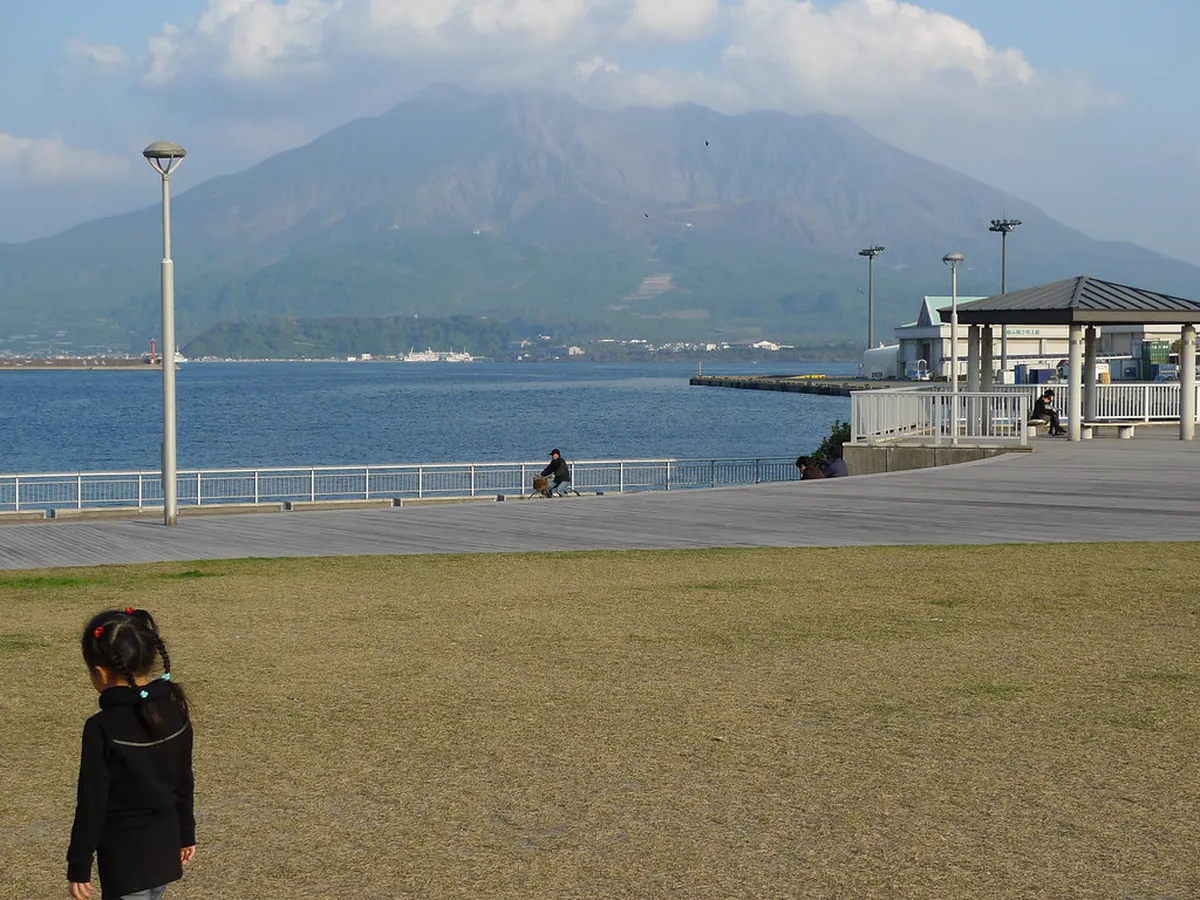
Complete Sakurajima Winter Travel Guide for 2026
Sakurajima stands as a majestic and active volcano within the heart of Kagoshima Bay in Southern Japan. Our comprehensive Sakurajima Winter Travel Guide will help you plan your 2026 adventure to this volcanic wonder. The winter season typically offers incredibly clear skies and crisp, refreshing air for every lucky visitor. You can easily see the smoking peak against a beautiful blue backdrop during these cooler months.
Winter Weather and What to Expect
Kagoshima stays remarkably mild throughout the chilly winter months of December, January, and February in 2026. Daytime temperatures usually average around 12°C (54°F) which is perfect for outdoor exploring and sightseeing. Nights can feel quite chilly near the water so you should prepare for lower evening temperatures. Check our Kagoshima winter weather tips for more detailed information on seasonal packing.
Snow is very rare at sea level here but the volcano peak often wears a white cap. This creates a stunning visual contrast with the dark volcanic ash and the deep blue sea. The air is much clearer than in summer which provides the best possible views of the crater. You will find that the lack of humidity makes for much better long-distance photography and visibility.
Strong winds can be quite common when you are crossing the bay on the local ferry boat. You should bring a windproof jacket to stay comfortable while standing on the open observation decks. Sunny days are very frequent throughout the winter season which makes planning your daily itinerary much easier. Most travelers find the winter sun provides a beautiful golden light for their holiday photos.
The volcanic activity remains constant so you might see small ash clouds rising into the sky. Winter winds usually blow the ash toward the ocean rather than toward the main city center. This makes the air quality in downtown Kagoshima very pleasant for most visitors during the winter. Always check the official Kagoshima City Tourism Guide for the latest volcanic safety updates.
Getting to Sakurajima in Winter
Reaching the volcanic island is very simple from the main downtown area of Kagoshima city center. The ferry terminal is located just a short walk from the popular Tenmonkan shopping and dining district. Ferries run twenty-four hours a day all year round to provide constant access to the island residents. Taking the Sakurajima ferry in winter is a highlight for many tourists.
The scenic boat ride takes only fifteen minutes to cross the sparkling waters of the deep bay. You can stand on the upper deck to enjoy the fresh sea breeze and panoramic mountain views. The interior cabins are well-heated to ensure you stay warm and cozy during the short crossing. Tickets cost only 200 yen for adults which makes this a very affordable way to travel.
Once you arrive at the port, you can easily use the convenient local bus system for exploring. The Sakurajima Island View Bus winter schedule is very reliable for all visitors. This bus stops at all the major tourist spots and observation points around the western side. You can buy a one-day pass for 500 yen at the ferry terminal information desk.
Walking near the ferry terminal is also a great option if you prefer to explore on foot. Many of the best attractions like the visitor center are located within a short walking distance. The paths are flat and well-paved which makes walking very easy for families and elderly travelers. You will find clear English signs that guide you to all the major points of interest.
Top Winter Activities on the Island
Natural foot baths are the perfect way to warm up on a cold winter day in 2026. Nagisa Park features one of the longest foot baths in Japan for everyone to enjoy for free. You can soak your feet in the warm volcanic water while watching the volcano smoke nearby. This relaxing experience is located only five minutes away from the main ferry terminal on foot.
The Sakurajima Visitor Center is another excellent place to spend time during your winter visit to Kagoshima. The Sakurajima Visitor Center winter exhibition 2026 is very educational and engaging. You can learn about the massive 1914 eruption and the history of the local island people. The center provides a warm indoor environment with many interesting displays and high-quality short films.
Hiking is a fantastic activity when the weather is cool and the sun is shining brightly. You will not overheat like you would during the humid and hot summer months in Japan. Explore the hiking Sakurajima trails during winter months to find the best paths for your fitness level. Most trails offer incredible views of the lava fields and the surrounding blue ocean waters.
The Nagisa Lava Trail is a very popular choice for a gentle and scenic winter afternoon walk. This trail winds through jagged lava formations that were created during the historic eruption over a century ago. You can see unique plants that have started to grow back in the dark volcanic soil. The walk takes about forty-five minutes and offers many spots for taking beautiful nature photos.
Best Viewpoints for Snowy Peaks
Yunohira Observatory is the highest point on the volcano that is currently open to the general public. It sits at 373 meters above sea level and provides a truly breathtaking view of the crater. From here, you can see the rugged ridges of the mountain and the city of Kagoshima. The snow-dusted peak looks particularly impressive during the clear winter mornings of early January and February.
Arimura Lava Lookout offers a completely different perspective of the massive volcano from the southern side. You can walk through vast fields of frozen lava that stretch all the way to the sea. Check the best Sakurajima observation points in winter for more detailed directions to this spot. These viewpoints provide the most dramatic photo opportunities for your 2026 travel blog or social media.
Karasujima Lookout is another fascinating stop for visitors who are interested in the island's unique geological history. This spot was actually a separate island before the massive lava flow connected it to the mainland. Now it sits surrounded by solid black rocks and offers a great view of the northern peak. The winter sun hits these dark rocks beautifully and creates a very stark and dramatic landscape.
Shiroyama Park back in the main city also offers a famous view of the volcano across the water. Many people choose to photograph the mountain from this high vantage point during the sunrise or sunset. You can see the entire bay and the ferry boats moving back and forth between the shores. It is a perfect place to end your day after exploring the island itself.
Winter Food and Local Specialties
Winter is the peak season for the famous Sakurajima Daikon radish grown on the volcanic island. These are officially known as the world's largest radishes and grow exceptionally well in the ash. The radishes are incredibly sweet, tender, and can weigh up to thirty kilograms each during the harvest. Many local restaurants serve this local specialty in hot stews during the cold winter months.
You should also try the tiny Sakurajima komikan oranges which are famous for their very sweet flavor. These small citrus fruits are at their absolute best during the early winter months of December. You can buy them at the local market shop located right next to the ferry terminal. They make a perfect healthy snack to enjoy while you are exploring the various island observation points.
Warm up after your island adventure with a hot bowl of traditional Kagoshima ramen in the city. The rich pork bone broth is very satisfying and perfect for a chilly winter evening in Japan. Look for our guide to winter food in Kagoshima to find the best local ramen shops. Most restaurants are located near the Tenmonkan area which is very easy to reach after the ferry.
The "Michi-no-Eki" or roadside station on the island is a great place to find local volcanic snacks. You can try soft-serve ice cream flavored with local ash or sweet komikan orange juice here. They also sell many unique souvenirs made from volcanic glass and local pottery for your friends. It is a convenient place to rest and eat before you head back to the mainland.
Frequently Asked Questions
Is Sakurajima safe to visit in the winter months?
Yes, Sakurajima is very safe to visit because the volcanic activity is monitored twenty-four hours a day. Authorities provide clear warnings if there is any increased risk to visitors or local residents on the island. You can check the latest safety levels at the ferry terminal before you start your trip.
How much does the Sakurajima ferry cost for travelers?
The Sakurajima ferry currently costs 200 yen for adults and 100 yen for children for a one-way trip. You do not need to buy a ticket before boarding the boat from the Kagoshima city side terminal. You simply pay the fare at the gate when you arrive at the Sakurajima island terminal.
Can I see snow on the volcano during my visit?
You can often see snow on the higher peaks of the volcano during the coldest weeks of winter. While snow rarely falls at the base, the summit frequently has a beautiful white cap in January. This creates a very famous and picturesque view that is popular with photographers and tourists alike.
What should I wear for a winter trip to the island?
You should wear several layers of clothing to stay warm while exploring the windy observation decks and trails. A windproof jacket is essential for the ferry ride and the higher viewpoints like the Yunohira Observatory. Comfortable walking shoes are also recommended for exploring the lava trails and the park areas safely.
Sakurajima is a truly must-see destination for anyone visiting Southern Japan during the 2026 winter season. This Sakurajima Winter Travel Guide shows how easy it is to enjoy this unique volcanic landscape. You will love the warm foot baths and the stunning views of the snow-capped mountain peaks. Start planning your Kagoshima trip today to experience this natural wonder for yourself.