
Complete Guide to Kamakura New Year Shrine Visits in 2026
Kamakura is a historic coastal city near Tokyo. It is famous for its many ancient shrines and temples. During the New Year, thousands of people visit these sites. This tradition of Kamakura New Year shrine visits is called Hatsumode. It is the perfect way to start 2026 with peace and luck.
Best Shrines for New Year in Kamakura
For the most up-to-date details, check Kamakura official info before you go.
For practical details and last-minute changes, use Kamakura travel info.
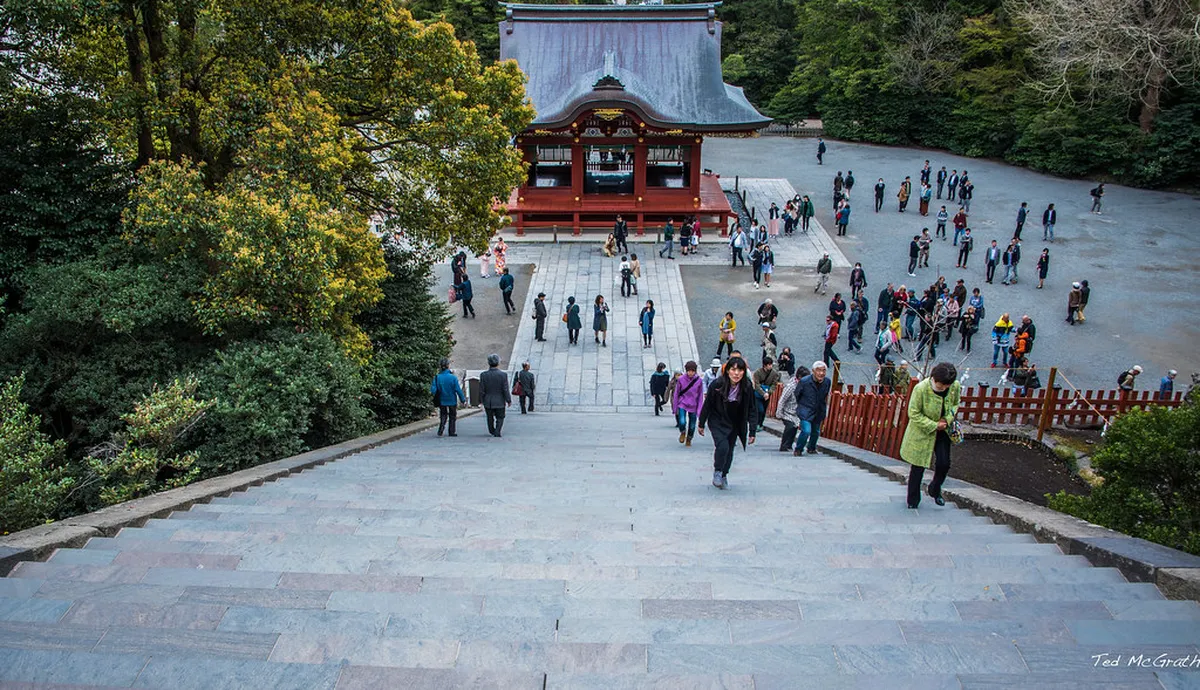
Tsurugaoka Hachimangu is the most important shrine in Kamakura. It sits in the heart of the city. Thousands of people visit during the first three days of January. The atmosphere is electric and very traditional. You will see grand red gates and a long approach path.Hasedera Temple is another wonderful place to visit for the New Year. It offers beautiful views of the Pacific Ocean. Many people visit here to see the famous Kannon statue. The temple gardens are peaceful even with many visitors. It is a great spot for reflection and quiet prayer.
Zeniarai Benzaiten is famous for its unique and fun tradition. People wash their money in the natural spring water here. They believe this will double their wealth in the coming year. It is a very popular spot for those seeking financial success. The shrine is hidden inside a cool rock tunnel.
Selecting the best shrines for New Year in Kamakura helps your planning. Each location offers a different spiritual experience. Choose one or two major spots to visit. This prevents you from feeling too rushed during your trip. You can also check the Kamakura City Tourism Association for official event maps.
Tips for Managing New Year Crowds
Crowds are the biggest challenge during the New Year. The peak times are usually from 10:00 AM to 4:00 PM. Expect to wait for over an hour at popular shrines. Patience is essential for a good experience. Most visitors are very polite and calm during the wait.
To avoid the largest groups, try visiting after dark. Many shrines stay open late on January 1st. The atmosphere at night is very magical and quiet. You can see the lanterns glowing in the cold winter air. This provides a completely different perspective of the shrines.
Check the Tsurugaoka Hachimangu crowd guide before you leave. It provides specific details on the busiest hours. Knowing when to go can save you much time. Early morning visits are also highly recommended for a faster entry. You can find more tips on the Japan National Tourism Organization website.
Stay aware of your surroundings in the dense crowds. Follow the staff directions and the flow of traffic. Most shrines have one-way paths to keep people moving safely. This helps ensure everyone stays safe and happy. Keep your belongings close to you in busy areas.
Traditional Customs and Lucky Charms
Praying at a shrine involves a specific ritual. First, you should bow at the main gate. Then, clean your hands at the water basin. This symbolizes purifying your mind and body. It is a sign of respect to the spirits.
At the altar, toss a coin into the wooden box. Bow twice and clap your hands twice. Say a silent prayer for the new year. Finish by bowing once more to show deep respect. Many people pray for health and family safety.
Many people enjoy buying lucky charms at Kamakura shrines. These charms are called Omamori and offer various protections. You can find charms for health, safety, or school success. They make great souvenirs for your friends and family back home.
You can also return old charms from the previous year. Shrines have a special place to collect them. The priests then burn them in a ritual fire. This clears the way for new blessings in 2026. It is a beautiful way to end the old year.
New Year Food and Street Snacks
New Year food is a major highlight of the trip. Komachi-dori is the best place to find street food. You can smell the delicious scents in the air. Many stalls sell traditional snacks like Mitarashi Dango. These are sweet rice dumplings on a stick.
Amazake is a popular drink during the cold winter season. It is a sweet, warm, non-alcoholic rice drink. It helps keep your body warm while waiting in line. You can find it at many shrine entrances. It is a healthy and comforting Japanese tradition.
Try the Kamakura winter street food for a local taste. Freshly grilled rice crackers are a must-try item. They are crunchy and often brushed with soy sauce. Some stalls even offer special seasonal flavors for January. These snacks are perfect for eating while you walk.
Sit down for a bowl of Toshikoshi Soba. These long buckwheat noodles represent a long and healthy life. Eating them is a common tradition for the New Year. Many local restaurants near Kamakura Station serve them. It is a great way to warm up after sightseeing.
Transport and Practical Planning
Getting to Kamakura is easy from central Tokyo. Use the JR Yokosuka Line from Tokyo Station. The journey takes about one hour in total. You can also use the Shonan-Shinjuku Line from Shinjuku. Trains are usually very clean and efficient.
Check the transport from Tokyo to Kamakura schedules. Trains may run on a special holiday timetable. Some lines offer extra service during the night. Always verify the last train time before you start your journey. This prevents any stress at the end of the day.
Review Kamakura winter weather travel tips before packing. Temperatures can drop quickly after the sun sets. Wear layers to stay warm during the cold breeze. A good coat and gloves are very helpful. The ocean air can feel quite chilly in January.
If you have time, follow a one day Kamakura winter itinerary. This helps you see the best spots efficiently. You can visit the Great Buddha and Hachimangu. Plan your route to avoid backtracking through the crowds. Walking is the best way to see the city's charm.
Frequently Asked Questions
When is the best time for Kamakura New Year shrine visits?
The most popular time is January 1st to 3rd. For fewer crowds, visit very early in the morning or late at night. Many shrines stay open 24 hours on New Year's Eve. Mid-January is also a great time for a quieter experience.
How much does it cost to visit shrines in Kamakura?
Most shrines are free to enter for New Year prayers. You should bring small coins for the offering box. Five-yen coins are considered very lucky for making connections. Some temples like Hasedera have a small entrance fee of 400 yen.
What should I wear for a New Year visit in 2026?
Dress in warm layers as you will spend time outside. Wear comfortable walking shoes for the uneven shrine paths. Bring a scarf and gloves for the cold coastal wind. Some people choose to wear traditional kimonos for the occasion.
Kamakura New Year shrine visits offer a deep look into Japanese culture. It is a time for hope, tradition, and delicious local food. Plan your trip early to make the most of 2026. We hope you have a lucky and peaceful start to the year!