
Best Winter Sunset Views From Enoshima Island Cliffs
Enoshima Island offers some of the most breathtaking winter sunset views from Enoshima Island cliffs in all of Japan. The crisp air of the 2026 winter season provides unparalleled clarity for watching the sun dip below the horizon. Visitors can enjoy a stunning panoramic view of the Pacific Ocean and the majestic Mount Fuji simultaneously.
Best Locations for Winter Sunset Views From Enoshima Island Cliffs
The Chigogafuchi plateau is widely considered the most famous location for capturing professional sunset photos on the island. You can reach this scenic area by walking through the main path of the island toward the back cliffs. This rocky platform offers a front-row seat to the crashing waves and the changing colors of the sky.
For a different perspective, many travelers enjoy visiting Enoshima Iwaya Caves during the late afternoon hours. The paths leading to the caves run directly along the jagged cliffside facing the western horizon. You will find several designated viewing spots that offer safety and incredible photo opportunities for your 2026 trip.
If you prefer a higher vantage point, head toward the Samuel Cocking Garden located at the island's peak. The Enoshima Sea Candle provides a 360-degree observation deck that towers above the surrounding cliffs and ocean. This spot is perfect for seeing the sunset while the city lights of Kamakura begin to flicker on.
Always check the local maps provided by the Kamakura City Tourism Association to find the quickest walking routes. Some paths involve steep stairs that may be challenging for some visitors during the colder winter months. Plan for a twenty-minute walk from the main bridge to reach the furthest cliffside viewing areas.
Timing Your Visit for 2026 Sunsets
Winter sunsets in Japan happen much earlier in the day than during the warm summer months. During January 2026, you should expect the sun to set between 4:30 PM and 5:00 PM local time. We recommend arriving at your chosen cliffside spot at least forty minutes before the scheduled sunset time.
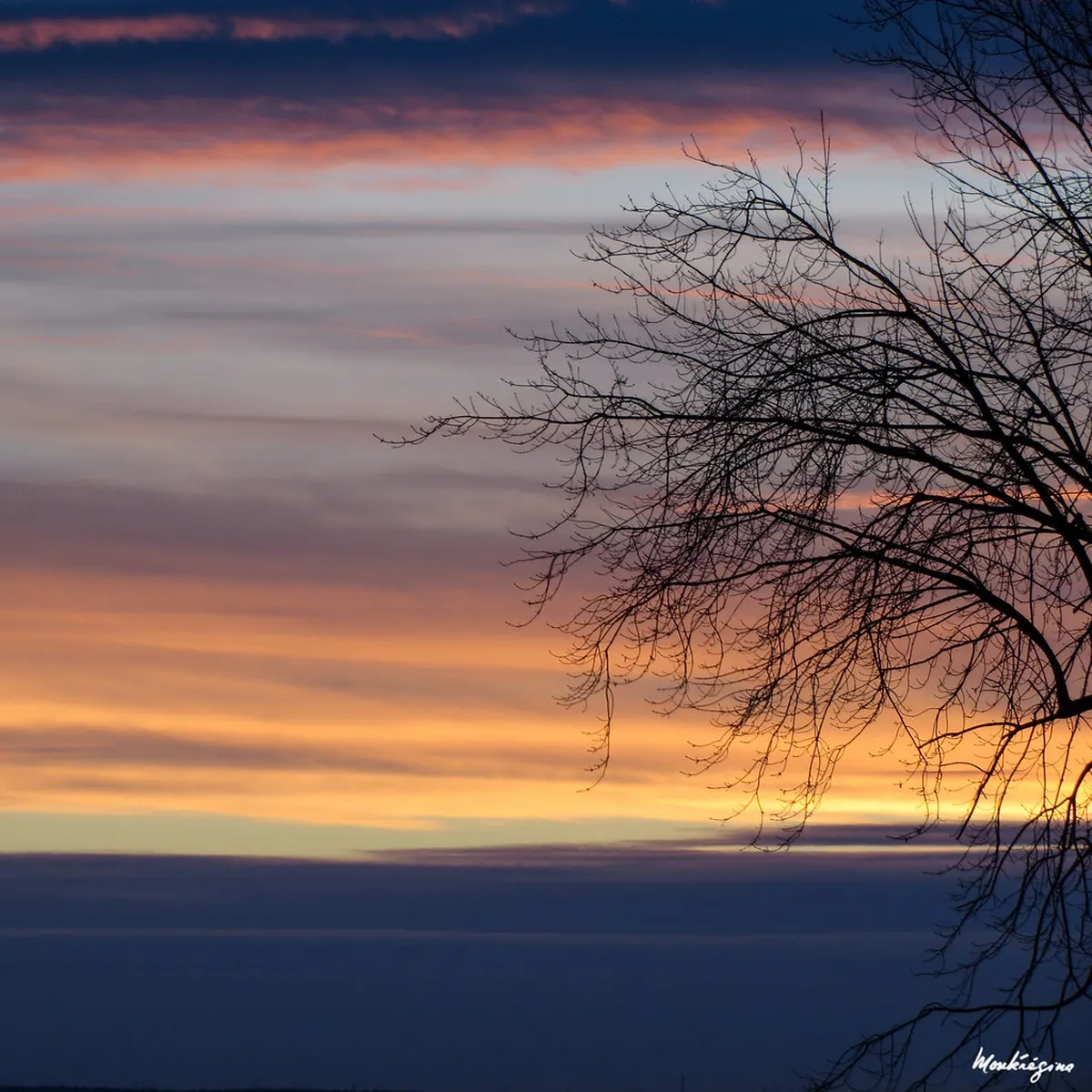
The sky often transitions through vibrant shades of deep orange, purple, and soft pink during the winter. On clear days, the silhouette of Mount Fuji becomes incredibly sharp against the glowing horizon across the bay. This high level of visibility is a unique benefit of the dry and cold winter air in Japan.
You may even witness the famous Diamond Fuji event if you visit during specific weeks in February. This occurs when the setting sun aligns perfectly with the peak of Japan's most iconic mountain. Many photographers gather at the cliffs early to secure the best tripod positions for this rare celestial event.
Essential Gear for Watching Winter Sunsets
The ocean breeze at the cliffs can feel quite piercing once the sun begins to move lower. You should wear a windproof outer shell over several warm thermal layers to stay comfortable while waiting. Bring a pair of touchscreen gloves so you can operate your camera without exposing your hands to the cold.
Using a sturdy tripod is highly recommended for capturing the low light of the winter sunset views from Enoshima Island cliffs. The wind can be strong near the water, so a weighted tripod will help prevent blurry images. Remember to bring extra camera batteries and keep them inside your jacket to maintain their charge longer.
Most cliffside paths are free to access, but some garden areas require a small entry fee of 500 yen. Wear sturdy walking shoes with good grip for navigating the uneven stone steps leading down to the water. Following an Enoshima Island winter activities guide can help you budget for these small costs during your visit.
Combining Sunsets with Other Winter Activities
After the sun disappears, stay on the island to experience the magical Jewel of Shonan illumination guide event. This massive light display begins immediately after dark and covers the entire central forest in sparkling colors. It is frequently ranked as one of the top three illumination events in the entire Kanto region.
Warm up after your cliffside adventure by visiting the Enoshima Island Spa for a relaxing soak. This facility features heated pools that overlook the ocean, allowing you to enjoy the evening view in comfort. It is the perfect way to end a cold day of exploring the rugged island terrain.
Finish your evening by dining at one of the traditional seafood restaurants located near the main island entrance. Many shops serve fresh grilled squid and local Shirasu bowls that are famous throughout the Kamakura area. Most restaurants remain open until 8:00 PM during the peak of the winter illumination season in 2026.
For more general travel information about Japan, you can consult the Japan National Tourism Organization website. They provide updated transit schedules and weather alerts that are essential for planning a safe winter coastal trip. Always check the last train times for the Enoden line before leaving the island for the night.
Frequently Asked Questions
What time is the sunset on Enoshima Island in winter?
In winter, the sun usually sets between 4:30 PM and 5:00 PM. You should arrive at the cliffs by 4:00 PM to secure a good viewing spot. The colors are often most vibrant about fifteen minutes after the sun actually disappears below the horizon.
Can you see Mount Fuji from the Enoshima cliffs?
Yes, the cliffs offer one of the best views of Mount Fuji in the region. Winter provides the clearest skies, making the mountain visible on most sunny days. The mountain appears directly across the water to the west of the island.
Is there a fee to see the sunset from the cliffs?
Access to the Chigogafuchi plateau and the main cliff paths is completely free for all visitors. However, if you want to watch from the Sea Candle tower, there is a small admission fee. Most people find the free cliffside views to be just as spectacular.
Capturing winter sunset views from Enoshima Island cliffs is a highlight of any trip to Kamakura in 2026. The combination of ocean waves, mountain silhouettes, and vibrant colors creates a truly unforgettable experience. Plan your visit today to witness the natural beauty of Japan's stunning coastline during the winter season.