
Essential Mount Aso Winter Hiking Safety Tips for 2026
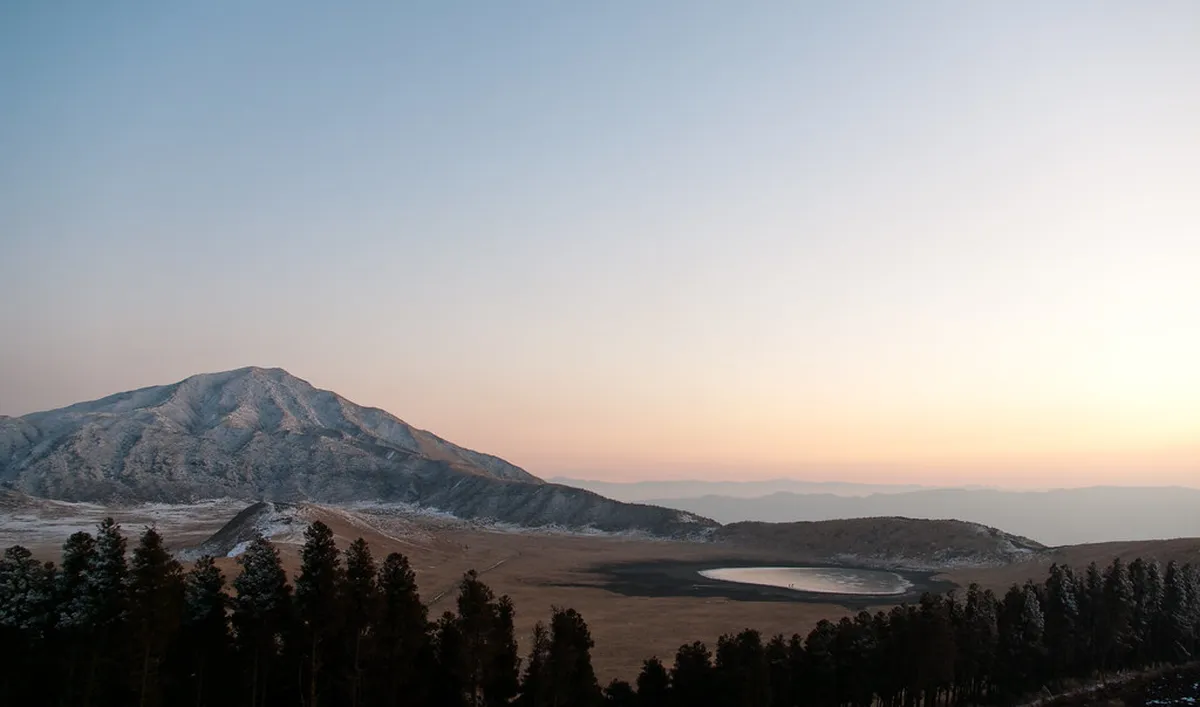
Hiking Mount Aso in winter offers breathtaking views of snow-covered volcanic peaks. However, you must prioritize your safety during the cold 2026 season. Follow these Mount Aso winter hiking safety tips for 2026 for a secure trip. Preparation is key when exploring Kumamoto's iconic and active volcano.
Check Current Volcanic Activity Levels
Mount Aso is one of the world's most active volcanoes. Always check the Japan Meteorological Agency for current alerts before your hike. Eruptions can happen suddenly even during the winter months. Volcanic activity levels dictate which trails remain open to the public.
The crater area often closes due to toxic volcanic gases. These gases are heavier than air and collect in low spots. Pay close attention to all warning signs on the mountain trails. Never enter restricted zones even if the snow looks inviting for photos.
Local authorities monitor the Nakadake crater 24 hours a day. If you want to see the peaks safely, consider booking Mount Aso Snow Tours 2026. These professional guides know which areas are safe for winter exploration.
Essential Winter Gear for Aso Hiking
Proper clothing is vital for surviving the freezing mountain temperatures. Layering your clothes helps manage sweat and maintain body heat. Start with a moisture-wicking base layer to keep your skin dry. Avoid cotton fabrics as they retain moisture and cause chills.
Add a thick fleece or down jacket for primary insulation. Your outer shell must be waterproof and windproof to block cold gusts. Winter winds on the volcanic peaks can be incredibly harsh and biting. Protect your face with a neck gaiter or a warm balaclava.
Sturdy hiking boots with good traction are mandatory for snowy trails. Consider using crampons or ice spikes for better grip on frozen sections. You can find detailed gear advice at the Kumamoto Prefecture Tourism office. Do not attempt high-altitude trails in standard sneakers.
Navigating Snowy and Icy Trails Safely
Winter trails around Mount Aso can be very slippery and dangerous. Snow often hides deep cracks or uneven volcanic rocks underneath. Walk slowly and use trekking poles for extra stability on slopes. Sudden slips on icy patches are a leading cause of hiking injuries.
The Kusasenri prairie becomes a vast frozen field during January and February. While beautiful, the flat ground can be deceptive for many hikers. Stick to marked paths to avoid getting lost in whiteout conditions. Snow can quickly obscure trail markers during a heavy winter dusting.
Visiting the frozen Kusasenri prairie requires careful footwork and planning. Always tell someone your planned route and expected return time. Safety should always come before getting the perfect social media photo. Carry a physical map in case your phone battery dies.
Mount Aso Winter Hiking Safety Tips for 2026
Weather conditions on Mount Aso change rapidly during the winter months. A sunny morning can quickly turn into a dangerous mountain blizzard. Check local forecasts specifically for the high elevation of the Aso peaks. Conditions in Kumamoto City are often much milder than on the volcano.
Daylight hours are much shorter in Kumamoto during the winter season. Start your hike early to ensure you finish before the sunset. Temperatures drop drastically once the sun goes down behind the peaks. Most mountain rescue operations occur after dark when hikers lose their way.
Carry an emergency kit with a whistle, flashlight, and thermal blanket. These small items can save your life if you get stranded. High-calorie snacks will help your body generate heat while moving. Drink plenty of water even if you do not feel thirsty.
Transportation and Access in Kumamoto
Roads leading to the Aso region can be icy and treacherous. If you are driving, ensure your vehicle has snow tires or chains. Many rental cars in Kumamoto City offer these features for winter travelers. Black ice is common on the winding roads up the mountain.
Public transport is often a safer choice for many winter travelers. The Aso Boy train provides a reliable way to reach the area. Check the schedule for any weather-related delays or cancellations. Trains offer a scenic and warm journey through the snowy countryside.
Buses from Aso Station to the ropeway station run frequently. However, heavy snow can occasionally block these mountain roads for hours. Always have a backup plan for your return journey to Kumamoto. Local hotels can provide updates on road conditions and bus availability.
Frequently Asked Questions
Is Mount Aso safe to hike in winter?
Yes, it is safe if you follow official volcanic alerts and wear proper gear. Check the weather and volcanic activity levels before starting your journey. Always stay on marked trails to avoid hidden hazards under the snow.
Do I need crampons for Mount Aso in 2026?
Yes, crampons are highly recommended for the icy peaks during the 2026 winter. They provide necessary grip on the slippery volcanic slopes and frozen trails. Using them prevents dangerous falls on the hardened snow and ice patches.
Where can I check volcanic activity updates?
You can check the Kumamoto City Tourism Guide or the Japan Meteorological Agency website. They provide real-time updates on safety zones and volcanic alerts. Never ignore the official warnings posted at the trailhead.
Mount Aso offers a unique winter experience for adventurous hikers in Japan. By following these safety tips, you can enjoy the snowy landscape securely. Always respect the power of this active volcano during your visit. For more ideas, explore the Kumamoto winter events 2026 during your stay.