
10 Best Winter Food in Kyoto to Try in 2026
Kyoto transforms into a peaceful wonderland during the colder months. Finding the best winter food in Kyoto is essential for a great trip. You can enjoy steaming bowls of soup and seasonal delicacies. These warm flavors will keep you energized while exploring the city in 2026.
1. Warm Up with Traditional Yudofu
You can find the latest updates on Lonely Planet Kyoto.
You can find the latest updates on UNESCO: Historic Monuments of Ancient Kyoto.
Yudofu is a staple winter dish in Kyoto. It features soft tofu simmered in a light kombu broth. This simple meal warms the body and soul during cold months. You can find many specialized restaurants near Nanzen-ji Temple.The dish highlights the purity of Kyoto's famous spring water. Chefs serve it with a savory dipping sauce and green onions. It is a light yet satisfying meal for vegetarians. Check out where to eat yudofu in Kyoto winter for the best spots.
Expect to pay between 3,000 and 5,000 yen for a set. Most sets include tempura, rice, and small side dishes. Reservations are highly recommended for popular riverside locations in 2026. Enjoy the peaceful views of snow-covered gardens while you eat.
Many restaurants are housed in historic wooden buildings. These venues offer a traditional atmosphere that enhances the meal. You will often sit on tatami mats while dining. This experience is essential for any winter visit to Kyoto.
Some locations offer private rooms for a small extra fee. These rooms overlook beautiful zen gardens filled with winter moss. It is a perfect way to escape the city noise. Most shops open from 11:00 AM to 8:00 PM daily.
2. Savor Seasonal Kaiseki and Winter Crab
Winter brings premium ingredients to Kyoto's traditional multi-course meals. Kaiseki dining emphasizes seasonal flavors like winter yellowtail and root vegetables. These meals are a true art form in Japan. You will find exquisite presentations that reflect the winter landscape.
Snow crab is a highly prized winter delicacy in Kyoto. Many high-end restaurants feature crab from the nearby Sea of Japan. You can enjoy it grilled, steamed, or served as sashimi. Visit this traditional Kyoto winter crab dining guide for details.
A full kaiseki dinner often costs over 15,000 yen per person. Lunch sets are usually more affordable for budget-conscious travelers. Look for best seasonal kaiseki menus to find the right fit. These menus change monthly to use the freshest ingredients.
Chefs use local "Kyo-yasai" or Kyoto heirloom vegetables in every dish. Winter varieties include large radishes and sweet kamo eggplants. These vegetables are known for their deep, earthy flavors. They provide a unique taste of the local land.
Booking a kaiseki meal requires advanced planning for 2026. Many top-rated ryotei restaurants fill up weeks in advance. Use the Kyoto City Official Travel Guide for booking assistance. This ensures you secure a table at the best spots.
3. Street Food Delights at Nishiki Market
Nishiki Market is the "Kitchen of Kyoto" and stays busy all winter. This narrow shopping street offers many warm snacks to eat on the go. You can find grilled fish, hot croquettes, and steamed buns. It is a great place to hide from the cold.
Try the "tamagoyaki" or rolled omelet for a warm, savory treat. Many stalls sell small cups of hot dashi broth for sipping. This broth is rich in umami and very cheap. You can find more warm street food at Kyoto Nishiki Market here.
Most snacks cost between 200 and 600 yen each. The market is open from 10:00 AM to 6:00 PM daily. Arrive before noon to avoid the biggest crowds in 2026. It is a perfect spot for a quick and affordable lunch.
Look for the stalls selling roasted chestnuts during the winter months. These warm, sweet nuts are a popular seasonal snack for locals. They are easy to peel and perfect for sharing. You can also find grilled mochi on sticks nearby.
The market is fully covered to protect you from rain or snow. This makes it an ideal destination for a cold winter afternoon. Wear comfortable shoes as you will be walking quite a lot. Most vendors accept cash but some now take cards.
4. Indulge in Hot Matcha and Cozy Cafes
Kyoto is the world capital of high-quality matcha green tea. In winter, hot matcha lattes and tea ceremonies are very popular. You can find many modern and traditional tea houses in Gion. These spots offer a peaceful break from your winter sightseeing.
Don't miss the seasonal matcha parfaits and warm zenzai soup. Zenzai is a sweet red bean soup served with toasted mochi. It is a classic Japanese winter dessert that provides instant warmth. Browse the best hot matcha desserts in Kyoto for more ideas.
Some cafes even offer tables with built-in heaters called kotatsu. These tables keep your legs warm while you enjoy your drinks. Check out these cozy cafes with kotatsu tables for a unique experience. Most cafes are open from 11:00 AM until late evening.
Try the hot hojicha or roasted green tea for a nutty flavor. This tea has less caffeine and is very soothing in winter. Many cafes serve it with small Japanese butter cookies. It is a favorite choice for a relaxing afternoon break.
Many tea houses are located in renovated townhouses. These buildings feature beautiful wooden interiors and small courtyard gardens. They provide an authentic Kyoto atmosphere for your tea break. Prices for a tea set range from 800 to 2,000 yen.
5. Experience Fushimi Sake and Winter Drinks
Fushimi is one of Japan's leading sake-producing districts. Winter is the peak season for sake brewing in this historic area. The cold weather is essential for the fermentation process of premium rice. You can smell the sweet mash in the air as you walk.
Visit a local brewery to taste freshly pressed seasonal sake. This drink is only available during the winter months. It has a bright and lively flavor that pairs well with food. See the top-rated sake breweries in Fushimi to plan your visit.
Many breweries offer tours and tasting flights for a small fee. Prices for a tasting set usually range from 500 to 1,500 yen. You can also buy limited edition bottles to take home. Most breweries are open from 10:00 AM to 4:30 PM.
The Fushimi area features charming canals and historic storehouses. It is a beautiful place for a winter stroll between tastings. You can learn about the history of sake at local museums. Some breweries have been operating for over three hundred years.
Consider visiting the Fushimi Inari Taisha before your sake tour. This famous shrine is located just a short train ride away. It is a great way to combine culture with local food. The orange gates look stunning against the winter sky.
6. Hearty Kyoto Ramen for Cold Nights
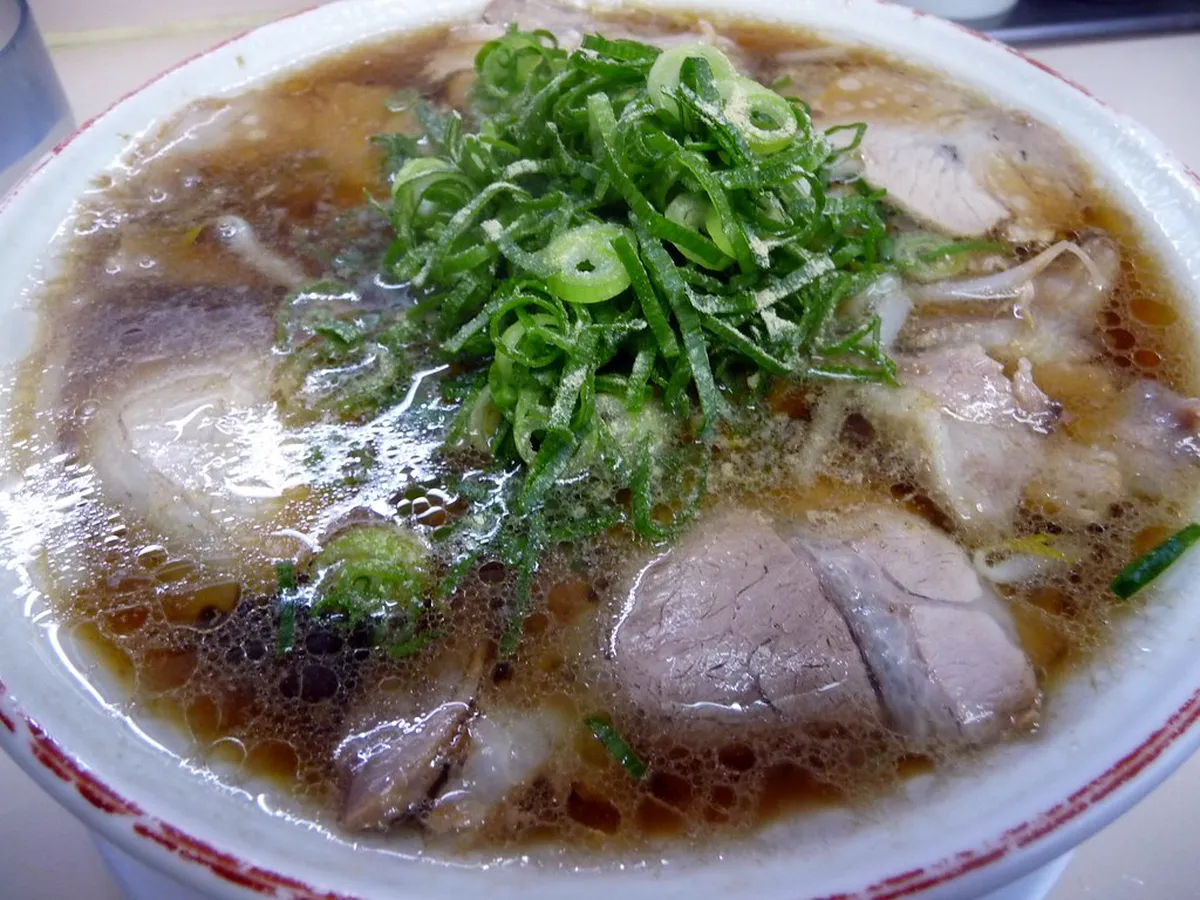
Kyoto-style ramen is perfect for a cold winter night. The local style often features a rich chicken and soy broth. This thick soup clings to the noodles and keeps you warm. You will find many famous ramen shops near Kyoto Station.
Try the "Tenkaippin" style for an extra thick and creamy experience. This famous chain started in Kyoto and is loved by locals. A bowl of hot ramen usually costs between 800 and 1,200 yen. It is one of the most affordable winter meals available.
Add a side of gyoza or fried rice for a complete meal. Most ramen shops offer English menus to help international travelers. You may need to use a vending machine to order. This is a fun and efficient way to get your food.
Many shops stay open late into the night for 2026. This makes ramen a great option after a long day of sightseeing. Look for shops with long lines as they are usually the best. The turnover is quick so you won't wait too long.
Some shops offer seasonal winter toppings like spicy miso or leeks. These additions add an extra kick to warm you up further. It is a hearty and satisfying way to end your day. Ramen is a true comfort food for the Japanese winter.
Frequently Asked Questions
What is the most popular winter food in Kyoto?
Yudofu is the most iconic winter dish in the city. It is a simple tofu hot pot served in a kombu broth. Many locals and tourists visit Nanzen-ji for this meal. It is healthy, warm, and deeply traditional for Kyoto.
Is street food available in Kyoto during winter?
Yes, Nishiki Market offers plenty of warm street food options. You can find grilled seafood, hot croquettes, and steamed buns. These snacks are affordable and perfect for cold days. Most stalls stay open throughout the winter season in 2026.
Can I find vegetarian winter food in Kyoto?
Kyoto is excellent for vegetarians, especially in the winter. Yudofu and Buddhist temple cuisine are naturally meat-free. Many vegetable-based soups and noodle dishes are also available. Always check with the staff about the dashi broth ingredients before ordering.
Kyoto offers a rich variety of warming foods for winter travelers. From high-end crab to simple street snacks, there is something for everyone. Plan your 2026 food tour to experience these unique seasonal flavors. For more help, read our Kyoto winter travel tips today.