
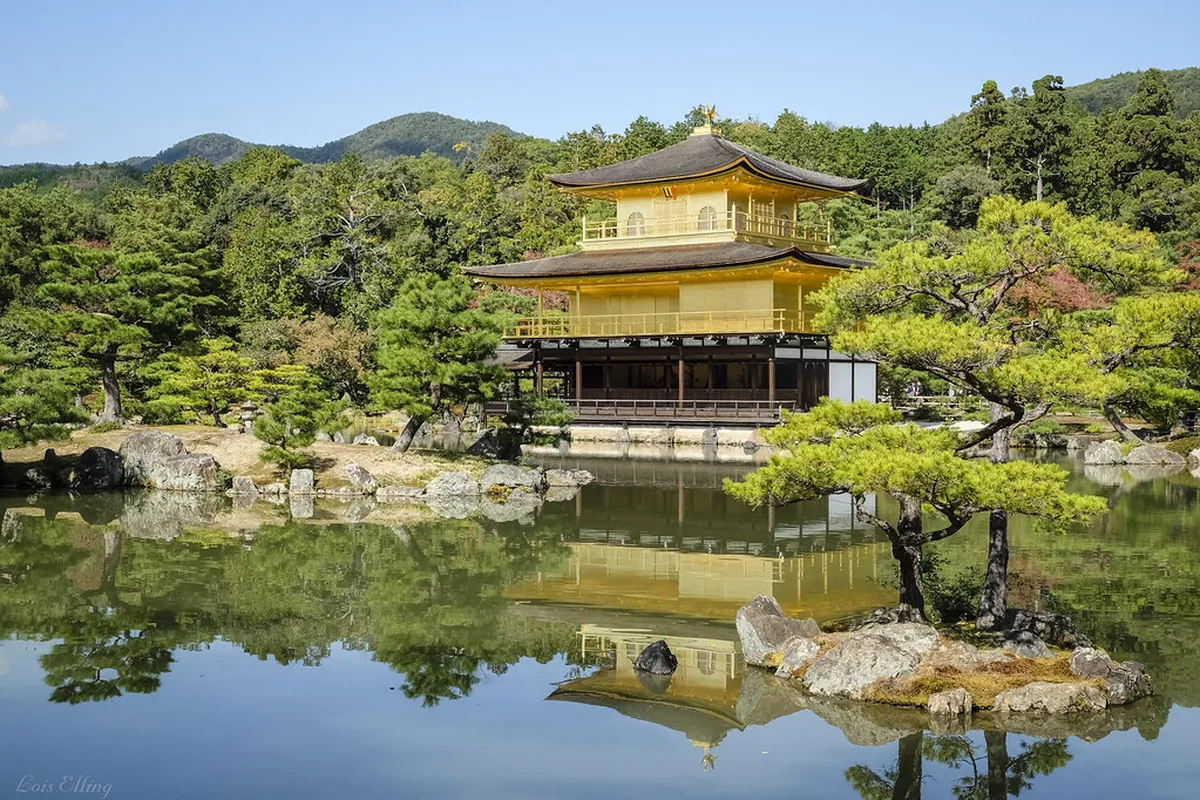
Capturing Kinkaku-ji in the Snow: A Photography Guide
Kinkaku-ji looks absolutely magical when it is covered by a fresh blanket of white snow. This guide shows you exactly how to photograph Kinkaku-ji in the snow during 2026. Capturing the Golden Pavilion in winter requires very careful planning and perfect timing. You will learn the best professional techniques for taking stunning winter landscape shots.
Best Time for Snow Photos at Kinkaku-ji
For the most up-to-date details, check Kyoto travel info before you go.
For the most up-to-date details, check Kyoto travel info before you go.
Snow in Kyoto is quite rare and often melts away very quickly in the morning. You must arrive at the temple gates at least thirty minutes before they open. The temple usually opens its doors to the public at 9:00 AM every single day. Check the local weather forecast very frequently during your scheduled 2026 winter trip.Early morning light provides the most beautiful glow on the delicate gold leaf surfaces. The sun rises behind the temple and illuminates the entire structure quite beautifully. Try to visit during a regular weekday to avoid the biggest tourist crowds. Most significant snow events happen between the end of January and early February.
Keep an eye on the best time for snow photos in Kyoto for live updates. A light dusting of snow can vanish within just two hours of sunrise. Be ready to travel to the temple at very short notice for success. This ensures you capture the pristine, untouched snow before it disappears forever.
The temperature must stay near freezing for the snow to stick to the roofs. Even a slight rise in heat will quickly turn snow into cold rain. Monitor the live temple webcams if they are available online before you leave. This helps you decide when to start your journey across the quiet city.
Essential Gear for Snow Photography in Kyoto
Cold temperatures can drain your camera batteries much faster than you might expect. Always carry at least two spare batteries inside your warm coat pocket. Keep them warm against your body to maintain their full electric charge. This is a vital part of your essential gear for Kyoto winter photography trips.
A lens hood is necessary to keep falling snowflakes off your front glass element. Use a clean microfiber cloth to wipe away any stray moisture or fog. Waterproof covers for your camera body are also highly recommended for wet days. These tools help protect your expensive equipment from damp and freezing conditions.
You should pack the following items for your winter shoot:
- Two extra fully charged camera batteries
- A high-quality circular polarizer filter
- Waterproof gloves with touch-screen compatible fingertips
- A sturdy lens hood for every lens
Wear warm, waterproof boots with good grip for the narrow temple paths. The temple grounds can become very slippery when the fresh snow starts melting. Bring several hand warmers to keep your fingers nimble for small camera controls. Comfortable clothing allows you to stay outside longer for that perfect shot.
Top Photography Spots Around the Golden Pavilion
The classic view is found directly across the large Kyoko-chi mirror pond. This famous spot offers a perfect reflection of the magnificent golden structure. Position yourself near the edge of the water for the best balance. This angle captures the full majesty of this important World Heritage site.
Walk further along the marked path to find several elevated viewing areas. These higher spots allow you to see the intricate roof detail very clearly. The white snow creates a sharp, beautiful contrast against the bright gold. Look for framing opportunities through the dark pine tree branches nearby.
The exit path offers a very unique perspective of the top two floors. You can capture the iconic phoenix statue against a soft snowy backdrop here. Take your time to explore many different heights and various side angles. Each turn in the path reveals a brand new and exciting composition.
Visit the Sekka-tei tea house located on the upper hill of the grounds. This specific area provides a wide view of the entire temple complex. You can see how the snow settles on the many traditional roofs. It is a great place for wide-angle landscape shots of the area.
Camera Settings for Snowy Temple Landscapes
Bright snow can often trick your camera's internal light meter very easily. This usually results in photos that look dull, gray, or significantly underexposed. Set your exposure compensation to +0.7 or +1.0 for better brightness. This keeps the snow looking white and crisp in your final photos.
Use a narrow aperture like f/8 or f/11 for maximum image sharpness. This ensures both the golden temple and the surrounding trees remain in focus. Keep your ISO setting low to prevent digital noise in the shadows. Remember that tripods are not allowed inside the official temple grounds.
Shoot in RAW format to capture the most possible image detail. This allows for much better color correction during the final editing process. Check your histogram frequently to avoid blowing out the bright white highlights. These settings will help you master this Kyoto winter photography spots guide.
Adjust your white balance to the "cloudy" or "shade" setting for warmth. This prevents the white snow from looking too blue or unnaturally cold. You want to maintain the warm, rich glow of the gold leaf. Experiment with these settings to find the most natural and pleasing look.
Frequently Asked Questions
When is the best month to see snow at Kinkaku-ji?
Snow is most likely to occur in late January or early February. These months offer the coldest temperatures in the city of Kyoto. Check the Kyoto City Official Travel Guide for seasonal weather alerts and updates.
Are tripods allowed inside the Kinkaku-ji temple grounds?
No, tripods and monopods are strictly forbidden inside the temple grounds for safety. You must shoot handheld or find a stable fence to lean on. Keep your shutter speed high to avoid any unwanted motion blur in your shots.
Where else can I find snowy landscapes in Kyoto?
Northern Kyoto offers more frequent snow than the central city area. Consider visiting the mountains of Ohara or the quiet shrines in Kibune. You can find more details in our guide to best snowy landscape spots in northern Kyoto.
Photographing Kinkaku-ji in the snow is a dream for many world travelers. Use these professional tips to capture the Golden Pavilion beautifully in 2026. Plan your trip around the coldest winter weeks for the best success. Enjoy the quiet, serene beauty of this iconic and historic Japanese landmark.