
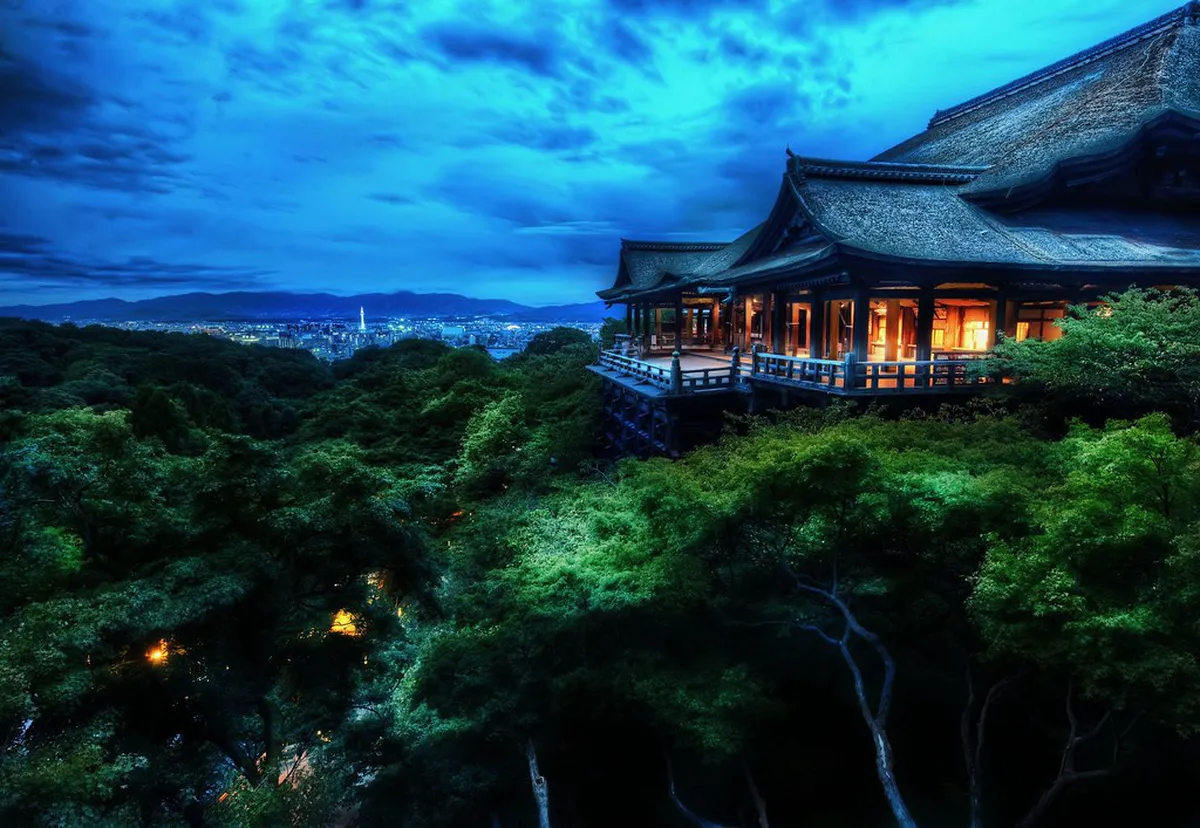
Pro Night Photography Tips for Kyoto Winter Festivals
Kyoto winters are truly magical. The ancient city glows with festive lights during the cold months. This guide shares night photography tips for Kyoto winter festivals. Learn how to capture these fleeting moments perfectly in 2026.
Essential Gear for Kyoto Night Shoots
Cold weather drains camera batteries very fast. Always carry two or three spare batteries. Keep them in a warm pocket near your body. This ensures they stay charged during long nights.
A sturdy tripod is vital for sharp photos. Many Kyoto temples restrict tripod use in 2026. Check the Kyoto City Official Travel Guide for specific rules. A small beanbag might be a better choice.
You need essential gear for Kyoto winter photography trips to succeed. Use a fast lens with a wide aperture. An f/1.8 or f/2.8 lens works best. These lenses let in more light at night.
Protect your hands with photography-specific gloves. These allow you to adjust dials without freezing. Keeping your fingers warm helps you stay patient. Patience is key for the perfect festival shot.
Night Photography Tips for Kyoto Winter Festivals
Start with a higher ISO setting. Settings between 800 and 3200 usually work well. Modern cameras handle digital noise much better now. This helps maintain a faster shutter speed.
Keep your aperture wide to catch light. A lower f-number creates a beautiful bokeh effect. This makes festive lanterns stand out against the dark. It also softens falling snowflakes in your shots.
Use manual focus for the best results. Autofocus often struggles in dark festival settings. Focus on a bright lantern or a sign. This ensures your main subject stays sharp.
Experiment with your white balance settings. Auto white balance can make snow look yellow. Try the tungsten or fluorescent presets instead. This keeps the winter colors looking crisp and blue.
Composition Secrets for Winter Illuminations
Look for reflections in puddles or ice. Kyoto streets often glisten after a light snow. These reflections add depth to your festival images. They create a sense of magic in every frame.
Frame your shots with traditional architecture. Use temple gates or wooden fences as borders. This highlights the unique culture of Kyoto in 2026. It adds a timeless feel to your work.
Capture the movement of the festival crowds. Use a slightly slower shutter speed for blur. This conveys the energy of the winter event. Keep your camera steady to avoid total blur.
Find a high vantage point for wide shots. Looking down on a lit temple is stunning. This perspective shows the scale of the winter festival. It makes for a very powerful lead image.
Best Festival Locations for Photographers
Arashiyama Hanatouro is a must-see winter event. Thousands of lanterns line the famous bamboo forest. This creates a soft glow perfect for night shots. Arrive early to find the best vantage points.
Gion offers a classic backdrop for night photography. The narrow streets look stunning under soft lanterns. You can find more tips in our winter photography tour of Gion Kyoto streets. Watch for local geiko walking through the area.
Visit the Kyoto winter illumination festivals 2026 for modern displays. Many botanical gardens host large light shows. These spots offer bright colors and unique patterns. They are great for practicing your night skills.
Check out the Kyoto winter photography spots guide for more ideas. Kitano Tenmangu Shrine looks amazing during plum blossom season. The late winter light there is very soft. It provides a different feel from early winter.
Managing Snow and Moisture Hazards
Snow adds a beautiful layer to photos. However, melting snow can damage your camera gear. Use a plastic rain cover for your camera. This keeps the body dry during heavy flurries.
Wipe your lens often with a cloth. Small droplets can ruin an otherwise perfect shot. Keep the cloth in a dry, warm place. Check your lens every few minutes for moisture.
Avoid breathing directly on the camera viewfinder. Your warm breath will cause instant fogging. This makes it very hard to see your subject. Hold your breath while looking through the glass.
Let your gear warm up slowly indoors. Moving from cold air to heat causes condensation. Keep your camera in its bag for an hour. This prevents moisture from forming inside the lens.
Frequently Asked Questions
Can I use a tripod at Kyoto winter festivals?
Many popular temples and festivals in Kyoto ban tripods to manage crowds. Always check the specific rules for each venue before you visit. Use a monopod or increase your ISO for handheld shots instead. This keeps you mobile in busy areas.
What is the best time for night photography in Kyoto?
The blue hour is the best time for night photography. This occurs shortly after sunset when the sky is deep blue. It provides a beautiful contrast against warm festival lanterns. In winter, this usually happens around 5:00 PM.
How do I photograph snow at night?
To capture falling snow, use a fast shutter speed and a flash. The flash reflects off the flakes to make them visible. If you prefer soft streaks, use a slower shutter speed. Experiment with both to see which style you prefer.
Kyoto offers incredible photo opportunities during the winter months. Use these night photography tips for Kyoto winter festivals to improve your skills. Capture the beauty of 2026 with confidence and creativity. Start planning your winter photography journey today!