
Guide to Visiting Narai-juku from Matsumoto in Winter
Are you planning on visiting Narai-juku from Matsumoto in winter 2026? This historic post town offers a magical escape into Japan's snowy past. You will find traditional wooden buildings covered in fresh white snow. The journey is simple and provides some of the best winter day trips from Matsumoto for history lovers.
How to Reach Narai-juku by Train
Start your journey at Matsumoto Station in the early morning. Board the JR Chuo Line heading south toward the city of Nagoya. The local train journey takes approximately forty-five minutes to complete. A standard one-way ticket will cost you 590 yen in early 2026.
Narai Station is very small and easy to navigate upon arrival. The historic district begins just a few steps from the station exit. You do not need to book tickets in advance for local trains. Use your IC card for a seamless travel experience on this route.
The train ride offers a relaxing chance to view the snowy scenery. You will see the dramatic peaks of the Japanese Alps through the window. Trains run about once every hour during the daytime. Always check the latest timetable at the station before you depart.
Visiting Narai-juku from Matsumoto in Winter
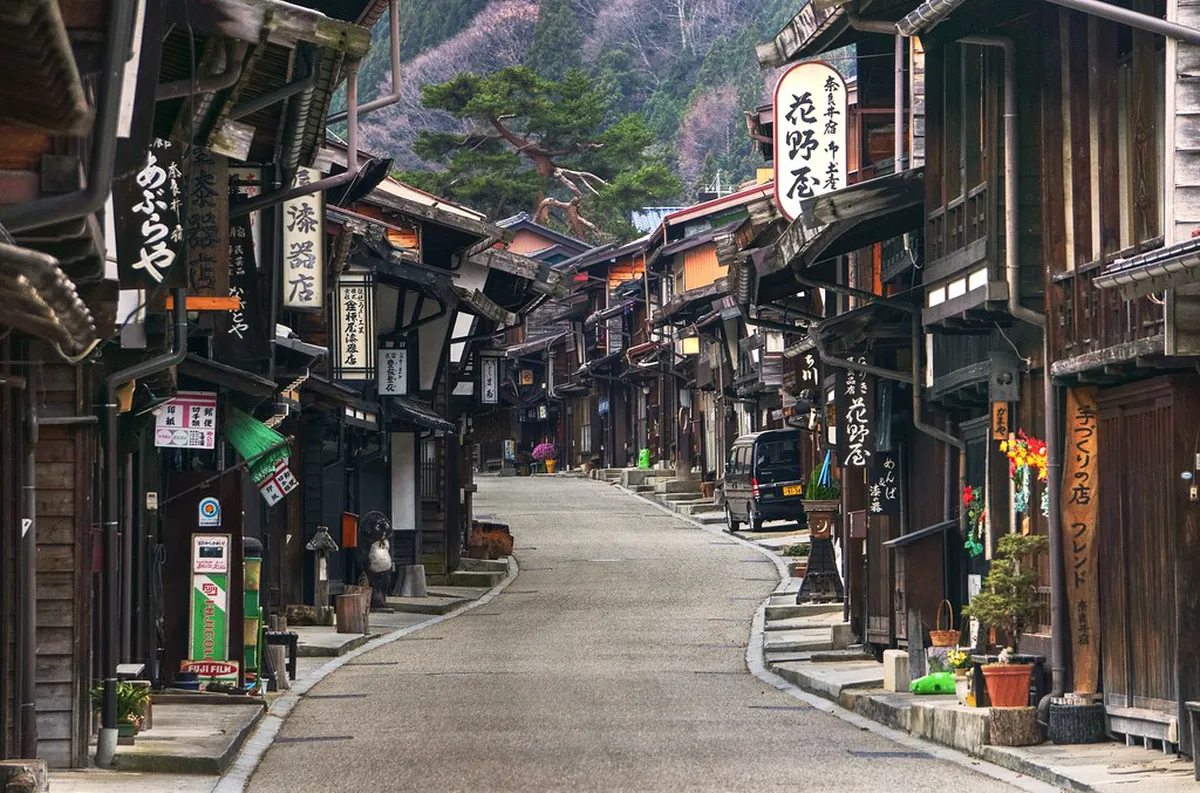
Narai-juku is the longest post town along the ancient Nakasendo trail. During winter, heavy snow covers the traditional dark wood buildings. This creates a stunning contrast that looks like a classic painting. You will feel like you stepped back into the Edo period.
Walking through the town is a dream for amateur and professional photographers. The quiet atmosphere allows you to enjoy the historic architecture in peace. Look for the Shizume-jinja Shrine at the far end of the village. It looks particularly beautiful when surrounded by deep, fresh white snow.
You can also enjoy some of the snowy mountain views from the valley floor. The surrounding peaks create a dramatic backdrop for the historic street. Many visitors find the winter silence very refreshing and peaceful. This is a perfect place to escape the busy city crowds.
What to Eat in the Kiso Valley
Warm your body with a steaming bowl of local Shinshu soba noodles. Many restaurants in Narai-juku still use traditional recipes from the old days. The hot broth provides a perfect escape from the chilly mountain air. Soba is a healthy and filling choice for cold winter days.
Try the local specialty called Gohei-mochi for a delicious afternoon snack. These grilled rice cakes are coated in a rich walnut and miso sauce. You can find vendors selling them directly on the main historic street. The sweet and savory aroma fills the cold winter air.
Enjoy your snack while sitting near a traditional charcoal brazier inside a cafe. Most shops also serve hot green tea to accompany your winter meal. This local hospitality makes the cold weather feel much more manageable. Take your time to enjoy the warm interior of these historic buildings.
Planning Your Winter Day Trip Schedule
Plan to arrive in Narai-juku by 10:00 AM to maximize your time. Winter days are short and the sun sets early behind the mountains. Most shops and museums in the village close their doors by 4:00 PM. Arriving early ensures you see the town in the best light.
You can easily combine this trip with the ice sculpture festival back in the city. Return to Matsumoto by late afternoon to see the evening displays. This allows you to experience two different winter wonders in a single day. The train ride back is very quiet and peaceful.
For more local information, you can visit the official Visit Matsumoto website. They provide updates on seasonal events and local transportation changes. Always keep an eye on the weather forecast before heading into the valley. Heavy snow can sometimes cause minor delays for local train services.
Essential Gear for Your Snowy Trip
The stone paths in Narai-juku can become very slippery when covered in ice. Wear waterproof boots with excellent traction to stay safe while walking around. Thermal layers are essential because the Kiso Valley is colder than Matsumoto. Proper clothing will make your outdoor exploration much more enjoyable.
Bring a portable power bank for your phone or camera during the trip. Cold temperatures can drain your electronic batteries much faster than usual. A small umbrella or a waterproof jacket will protect you from falling snow. These simple items will ensure you stay comfortable throughout your adventure.
After returning to the city, check out the Matsumoto illumination guide for evening plans. The bright lights offer a wonderful contrast to the rustic charm of Narai-juku. Combining these experiences creates a full day of winter magic in Nagano. Stay warm and enjoy the unique beauty of the Japanese winter.
Frequently Asked Questions
How long should I spend in Narai-juku during winter?
You should plan to spend about three to four hours in Narai-juku. This gives you enough time to walk the main street and eat lunch. Most visitors find this duration perfect for seeing the main historical sites. Ensure you finish your walk before the shops close at 4:00 PM.
Is Narai-juku very crowded during the winter months?
Narai-juku is much quieter in winter compared to the busy autumn season. You will often find the streets peaceful and perfect for taking photos. Weekdays are especially quiet, offering a very authentic and calm experience. It is a great time for those who dislike large tourist crowds.
Are the shops and restaurants open in Narai-juku in winter?
Yes, many shops and restaurants remain open during the winter season. However, some smaller businesses may have shorter hours or close on specific weekdays. It is best to visit between 11:00 AM and 3:00 PM for the best options. Most major soba restaurants stay open for lunch daily.
Visiting Narai-juku from Matsumoto in winter is a highlight of any Nagano trip. The snowy streets and historic buildings create a truly unforgettable atmosphere for visitors. Remember to dress warmly and check the train schedules for a smooth journey. We hope you enjoy this peaceful step back into Japanese history during 2026.