
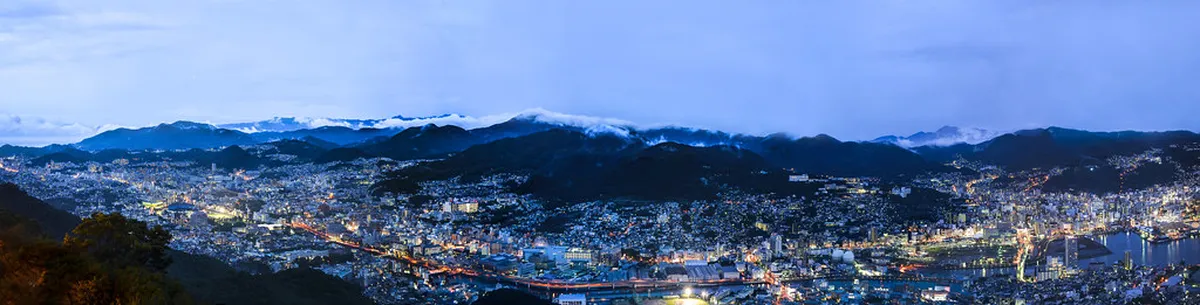
Top Tips for Nagasaki Night View Photography Winter 2026
Nagasaki Night View Photography Winter offers some of the most spectacular visual experiences for travelers visiting Japan in 2026. The city is officially recognized as having one of the world's top three most beautiful night views. Crisp winter air provides the perfect clarity needed to capture thousands of twinkling lights across the harbor. This guide will help you find the best vantage points for your professional or hobbyist photography.
Best Spots for Nagasaki Night View Photography Winter
Mt. Inasa is the most iconic location for night photography in this historic Japanese port city. The summit offers a breathtaking 360-degree view of the entire Nagasaki harbor and urban landscape. You can see the city lights stretching out like a carpet of glowing jewels from the top. This location is a must-visit for any serious photographer exploring the region during the winter season.
To reach the summit, you should use the Mt. Inasa ropeway winter guide for your evening travel plans. The ropeway operates from 9:00 AM until 10:00 PM every day throughout the year. A round-trip ticket for an adult costs approximately 1,250 yen at the lower station ticket office. This short journey provides a great chance to see the city lights as you ascend the mountain.
The observatory deck can become extremely cold and windy during the winter months of January and February. You should prepare for temperatures that often drop below freezing at this high mountain elevation. Using a sturdy tripod is essential because the strong winds can easily cause unwanted camera shake. Long exposures will capture the vibrant colors of the city and the dark harbor water perfectly.
Photographers often prefer the hour just after sunset for the most balanced and beautiful light conditions. This period is known as the blue hour and creates a deep blue sky behind the city. The contrast between the warm street lights and the cool sky makes your photos look professional. Plan to arrive at least thirty minutes before sunset to secure a good tripod spot.
Capturing the Nagasaki Lantern Festival Glow
The Lantern Festival is a massive highlight of the winter season for every photographer visiting Nagasaki. Over 15,000 colorful lanterns are hung throughout the city to celebrate the traditional Chinese New Year. This event usually takes place in late January or early February depending on the lunar calendar. It provides a unique opportunity for vibrant and culturally rich night photography in 2026.
You can check the Nagasaki Lantern Festival 2026 guide for the specific event dates and locations. Minato Park serves as the main venue for the largest and most impressive lantern displays. The red and yellow lights create a warm glow that is perfect for close-up detail shots. Use a wide aperture to create a beautiful bokeh effect with the background lanterns.
The Nakashima River area is another fantastic spot for capturing reflections of the glowing lanterns on the water. The famous Meganebashi or Spectacles Bridge looks stunning when framed by hundreds of floating lights. You should use a circular polarizer to manage the reflections and increase the color saturation. This technique helps the lanterns stand out against the dark night sky and the water.
Crowds can be very large during the peak hours of the festival on Friday and Saturday nights. Try to visit on a weekday evening to have more space for your camera and tripod setup. Most of the main lantern displays stay lit until 10:00 PM throughout the festival period. Late-night shooting allows you to capture the lanterns with fewer people in your compositions.
Glover Garden Night Illumination Photography
Glover Garden offers a historic and romantic backdrop for your winter night photography sessions in the city. This open-air museum features several Western-style residences that date back to the late nineteenth century. During the winter, the entire garden is decorated with thousands of delicate fairy lights and seasonal displays. It is a perfect location for capturing the intersection of history and modern light.
There are several specific Glover Garden night illumination photography spots that you should visit. The view from the top terrace is particularly famous for overlooking the active Mitsubishi shipyard. You can capture the massive industrial cranes lit up against the dark water of the bay. This creates a powerful contrast between the historic garden and the modern industrial city.
Entry to the garden costs 620 yen for adults and the park often extends its hours in winter. During special illumination events, the gates may stay open until 8:00 PM or later for guests. You should check the official Glover Garden website for the most current schedule before your visit. The illuminated paths and stone steps provide excellent leading lines for your creative photo compositions.
The garden features many unique statues and fountains that look magical when they are illuminated at night. Use a prime lens with a fast aperture for handheld shots of these smaller garden details. If you use a tripod, be careful not to block the narrow stone walkways for other visitors. The combination of historic architecture and twinkling lights makes every corner of the garden worth shooting.
Essential Camera Settings for Winter Lights
Using the correct camera settings is vital for successful Nagasaki Night View Photography Winter results in 2026. You should always shoot in RAW format to preserve the maximum amount of detail in the shadows. This allows you to recover details from the dark harbor areas during your post-processing work later. Night photography requires a careful balance between your ISO, aperture, and shutter speed settings.
Review the best camera settings for Nagasaki winter illuminations to ensure your photos are sharp. Start by setting your ISO to the lowest possible value, such as ISO 100 or 200. This will minimize digital noise and keep your images looking clean and professional. Use an aperture between f/8 and f/11 to achieve a deep depth of field.
Long shutter speeds between 10 and 30 seconds are usually necessary for capturing the city lights. A remote shutter release or the built-in camera timer will help you avoid touching the camera. Even the smallest vibration can ruin a long exposure shot when you are using a telephoto lens. Turn off your lens image stabilization when the camera is mounted securely on a tripod.
White balance is another important setting to consider when you are photographing the colorful winter lanterns. The auto white balance setting can sometimes make the warm lantern glow look too white or blue. Try using the tungsten or incandescent preset to keep the colors looking natural and warm. You can also manually set the Kelvin temperature to around 3200K for a classic night look.
Best Tripod Spots for Nagasaki City Lights
Finding the best tripod spots for Nagasaki city lights will help you get stable and clear shots. The Nabeyammayama viewpoint is a fantastic alternative to the more crowded observatory on Mt. Inasa. It offers a unique perspective of the city and the large suspension bridge over the harbor. This spot requires a short hike but the peace and quiet are perfect for photographers.
The Seaside Park near the ferry terminal is another great location for ground-level harbor photography. You can set up your tripod near the water to capture the reflections of the city skyline. This area is very spacious and allows you to move around easily to find the best angle. It is also much warmer than the mountain tops because it is sheltered from the wind.
Meganebashi Bridge is a classic spot that requires a tripod for the best symmetrical reflection photos. You should position your camera low to the riverbank to capture the full circle of the bridge. This area can be busy during the Lantern Festival so you must arrive early to find space. Be mindful of the local residents and do not block the sidewalks with your gear.
Many of the hillside streets in the Dutch Slope area provide interesting elevated views of the harbor. These narrow alleys offer a traditional Japanese atmosphere that looks wonderful in night photographs. You can use the stone stairs and old street lamps as foreground elements in your shots. These spots are often overlooked by tourists but are highly valued by local Japanese photographers.
Preparing for Winter Weather Conditions
Understanding the winter weather in Nagasaki Japan is essential for a successful photography trip. The temperature at night typically ranges from 2°C to 7°C (35°F to 45°F) during the winter. However, the wind chill from the sea can make it feel much colder than the actual temperature. You must dress in multiple warm layers to stay comfortable during long hours of shooting.
Cold weather can cause your camera batteries to lose their charge much faster than usual. You should always carry at least two spare batteries in an inside pocket close to your body. The warmth from your body will help the batteries maintain their power until you need them. Switch the batteries frequently to ensure you never run out of power during a shoot.
Condensation is a common problem when moving your gear from the cold outdoors into a warm hotel. You should place your camera inside a sealed plastic bag before you go back inside. This allows the equipment to warm up slowly and prevents moisture from forming on the internal electronics. This simple step will protect your expensive lenses and camera bodies from potential water damage.
The winter air in Nagasaki is known for being exceptionally clear and dry compared to the summer. This lack of humidity means there is very little haze to block the distant city lights. You can see for many miles from the mountain observatories on a clear winter night. This clarity is the main reason why winter is the best season for night photography.
Frequently Asked Questions
When is the best time for night photography in Nagasaki during winter?
The best time is during the blue hour, which occurs about 20 to 40 minutes after sunset. This period provides a beautiful balance between the natural sky light and the artificial city lights. Check the Mt. Inasa observatory winter sunset times 2026 to plan your arrival perfectly.
Do I need a tripod for the Nagasaki Lantern Festival?
A tripod is highly recommended for capturing sharp images of the lanterns and their reflections on the river. However, some crowded areas may make using a large tripod difficult or unsafe for others. Consider using a monopod or a small travel tripod for better mobility in busy festival crowds.
What are the best lenses for capturing Nagasaki night views?
A wide-angle lens (16-35mm) is best for capturing the vast landscape from Mt. Inasa or Glover Garden. A fast prime lens (35mm or 50mm f/1.8) is excellent for handheld shots of the Lantern Festival. You can find more gear tips in our camera settings guide.
Nagasaki Night View Photography Winter is a rewarding experience for any traveler visiting Japan in 2026. By choosing the right spots like Mt. Inasa and Glover Garden, you can capture world-class images. Remember to dress warmly and bring extra batteries to handle the cold winter temperatures. For the best experience, look for where to stay in Nagasaki winter to be close to these amazing photography locations. You can also find more information on the Nagasaki Official Tourism Guide website.