
A Guide to New Year Shrine Visits Nagasaki in 2026
Start your 2026 journey with the tradition of New Year Shrine Visits Nagasaki. This ancient custom brings thousands of people to the city's beautiful spiritual sites. You can experience local culture while praying for health and good luck. Our guide helps you navigate the best shrines for Hatsumode in Nagasaki this winter.
Suwa Shrine: The Heart of New Year Shrine Visits Nagasaki
Suwa Shrine stands as the most popular spot for New Year celebrations in the city. Locals flock here during the first three days of January for their first prayer. The shrine is famous for its massive stone staircases that lead to the main hall. Climbing these 73 steps symbolizes leaving the old year behind you.
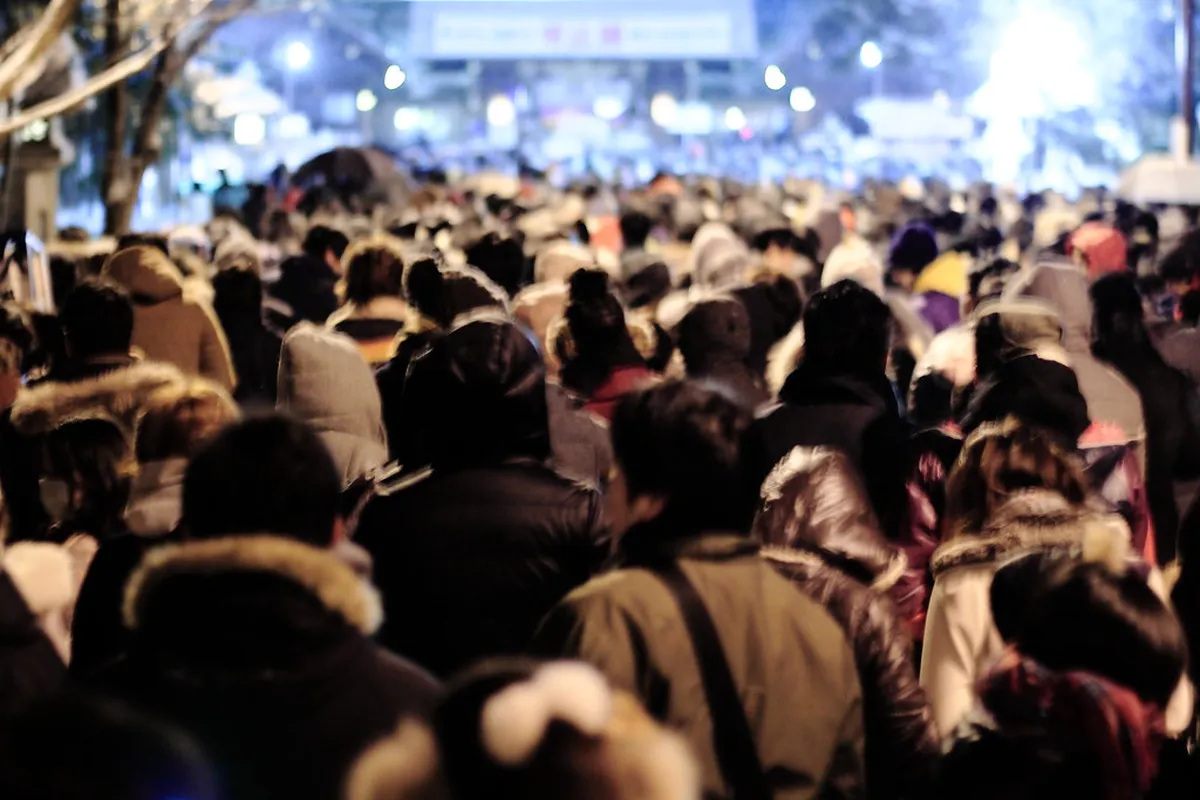
During the 2026 New Year period, the shrine remains open 24 hours starting from midnight on January 1st. You will see long lines of people waiting patiently to offer their prayers. The atmosphere is electric with the sound of bells and rhythmic clapping. Many visitors wear traditional kimonos, adding vibrant colors to the historic stone surroundings.
The shrine grounds feature several smaller buildings and beautiful statues of guardian lions. You can find unique "kappa" statues that people pour water over for good health. Security staff often manage the flow of people to ensure everyone stays safe. It is helpful to check the traditional New Year customs in Nagasaki before you arrive.
Expect to spend at least two hours if you visit during peak morning times. The view from the top of the stairs offers a great look over the city. You can see the harbor and the surrounding mountains from this high vantage point. It is a perfect place to witness the first sunrise of the new year.
New Year Shrine Visits Nagasaki Customs and Rituals
Participating in shrine rituals requires following a specific set of traditional steps. First, you should stop at the purification fountain near the entrance. Use the wooden ladle to wash your left hand, then your right hand. Finally, rinse your mouth and the handle of the ladle for the next person.
When you reach the main altar, throw a small coin into the wooden offering box. Most people use a five-yen coin because it sounds like the word for "good luck." Bow twice deeply to show your respect to the resident deity. Learning how to pray at Nagasaki shrines will make your visit more meaningful.
After bowing, clap your hands twice to get the attention of the gods. Keep your hands together and offer a silent prayer for your 2026 goals. Finish the ritual with one final deep bow before leaving the altar area. This process is the core of the New Year shrine experience.
Many people also ring a large bell hanging from a thick rope above the box. The deep sound of the bell is said to drive away evil spirits. You should wait for the person in front of you to finish completely. Patience is a key part of the spiritual experience during these busy days.
Finding Lucky Charms and Fortunes in 2026
After praying, most visitors head to the shrine stalls to buy spiritual items. You can find a wide variety of colorful silk amulets called Omamori. These charms offer protection for things like traffic safety, health, or exam success. People often hang these on their bags or keep them in their wallets.
Another popular tradition is buying an Omikuji, which is a random fortune slip. You shake a wooden box until a numbered stick falls out for the priest. They will give you a paper explaining your luck for the coming year. If you receive a bad fortune, you can tie it to a designated wire fence.
You might also notice people carrying long white arrows decorated with gold bells. These are called Hamaya, and they are meant to ward off bad luck at home. Many families display these arrows in their living rooms throughout the entire year. You can learn more about buying lucky charms at Nagasaki shrines at the various stalls.
Prices for these items usually range from 500 to 2,000 yen depending on the size. The stalls also accept old charms from the previous year for ritual burning. This ensures that the spiritual protection is renewed properly for the start of 2026. Be sure to bring enough cash as many stalls do not take cards.
Top Alternative Shrines for Your Winter Itinerary
If Suwa Shrine is too crowded, Nagasaki offers several other beautiful spiritual locations. Sanno Shrine is famous for its one-legged torii gate that survived the atomic bombing. It is a peaceful place that represents the resilience of the local community. Two giant camphor trees on the grounds provide a stunning canopy for visitors.
Yasaka Shrine is another excellent choice located near the famous Teramachi temple district. This shrine has a more intimate feel and is popular with local families. You can enjoy a quieter prayer experience while still participating in the festive atmosphere. The surrounding streets are perfect for a slow walk after your visit.
For a different cultural experience, consider visiting the historic Nagasaki Lantern Festival sites which often start preparations early. While technically a temple, Sofukuji offers a unique blend of Japanese and Chinese architecture. The bright red gate is a National Treasure and looks beautiful in the winter light. It provides a great alternative to the typical Shinto shrine experience.
Many of these smaller sites offer unique stamps for your pilgrim book called Goshuin. Collecting these stamps is a popular hobby for many travelers in Japan. Each shrine has its own artistic style for the calligraphy and red stamps. This makes for a wonderful and personalized souvenir of your winter trip.
Practical Planning for Your 2026 Winter Trip
Planning for the weather is essential for a comfortable New Year visit. January in Nagasaki is usually cold, with temperatures ranging from 3 to 10 degrees Celsius. You should dress in layers and wear comfortable walking shoes for the stone stairs. Check the latest winter weather in Nagasaki Japan before packing your suitcase.
Public transport like the city's iconic trams runs on a special holiday schedule. Trams are the most convenient way to reach Suwa Shrine from the main station. Expect the cars to be very crowded, especially on the morning of January 1st. Walking between shrines in the downtown area is often faster than waiting for transport.
To avoid the biggest crowds, try visiting the shrines late in the evening. The atmosphere at night is magical with lanterns lighting up the ancient stone pathways. Most major shrines stay open late during the first few days of the year. This allows you to enjoy the spiritual vibes without the long daytime queues.
Most shops and some restaurants will be closed from January 1st to January 3rd. However, convenience stores and major malls usually remain open for basic needs. It is a good idea to book your accommodation well in advance for this period. Many Japanese travelers also visit Nagasaki for their own holiday vacations.
Best Street Food Near Nagasaki Shrines
No New Year visit is complete without trying the festive street food. Temporary stalls called Yatai line the approach to Suwa Shrine during the holidays. You must try Amazake, a sweet and warm fermented rice drink that is non-alcoholic. It is the perfect way to stay warm while waiting in the prayer lines.
Look for stalls selling Hashimaki, which is essentially okonomiyaki wrapped around a wooden chopstick. It is easy to eat while walking through the crowded shrine grounds. You will also find grilled squid, candied fruits, and hot bowls of udon noodles. Sampling winter food specialties in Nagasaki is a highlight for many visitors.
Nagasaki is also famous for its Castella cake, which makes a great New Year gift. Many local shops offer special festive packaging for their sweets during the winter season. You might also find "Zenzai," a hot sweet bean soup with toasted mochi cakes inside. This traditional dessert is a staple of the Japanese New Year experience.
The food stalls usually stay open as long as the shrine is busy with visitors. Prices are generally affordable, with most snacks costing between 300 and 700 yen. Bringing small change will make your transactions much faster at these busy stalls. Enjoying a hot snack in the cold air is a core memory for many.
Frequently Asked Questions
When is the best time for New Year Shrine Visits Nagasaki?
The most traditional time is during the first three days of January. To avoid the largest crowds at Suwa Shrine, visit very early in the morning or late at night. Most shrines are open 24 hours on January 1st to accommodate the thousands of visitors.
What should I wear for a winter shrine visit in Nagasaki?
Wear warm, layered clothing and very comfortable walking shoes for the stairs. Temperatures often hover around 5°C (41°F) in early January. Don't forget gloves and a hat, as you will likely spend several hours standing outdoors in long lines.
Is there an entry fee for Nagasaki shrines during New Year?
No, there is no entry fee to visit Shinto shrines for New Year prayers. However, you should bring small coins for the offering box and cash for lucky charms. Five-yen and fifty-yen coins are considered especially lucky for these spiritual offerings.
Can non-Japanese tourists participate in the New Year rituals?
Yes, everyone is welcome to participate in the New Year traditions at Nagasaki shrines. Simply follow the lead of the locals regarding purification and prayer steps. Most people appreciate visitors who show respect for their cultural and spiritual customs during this time.
Experiencing New Year Shrine Visits Nagasaki is a powerful way to start your 2026. From the grand steps of Suwa Shrine to the quiet beauty of Sanno Shrine, the city offers deep spiritual rewards. Remember to dress warmly and bring an open heart for the local traditions. We hope you enjoy a peaceful and lucky start to your new year in this historic city.