
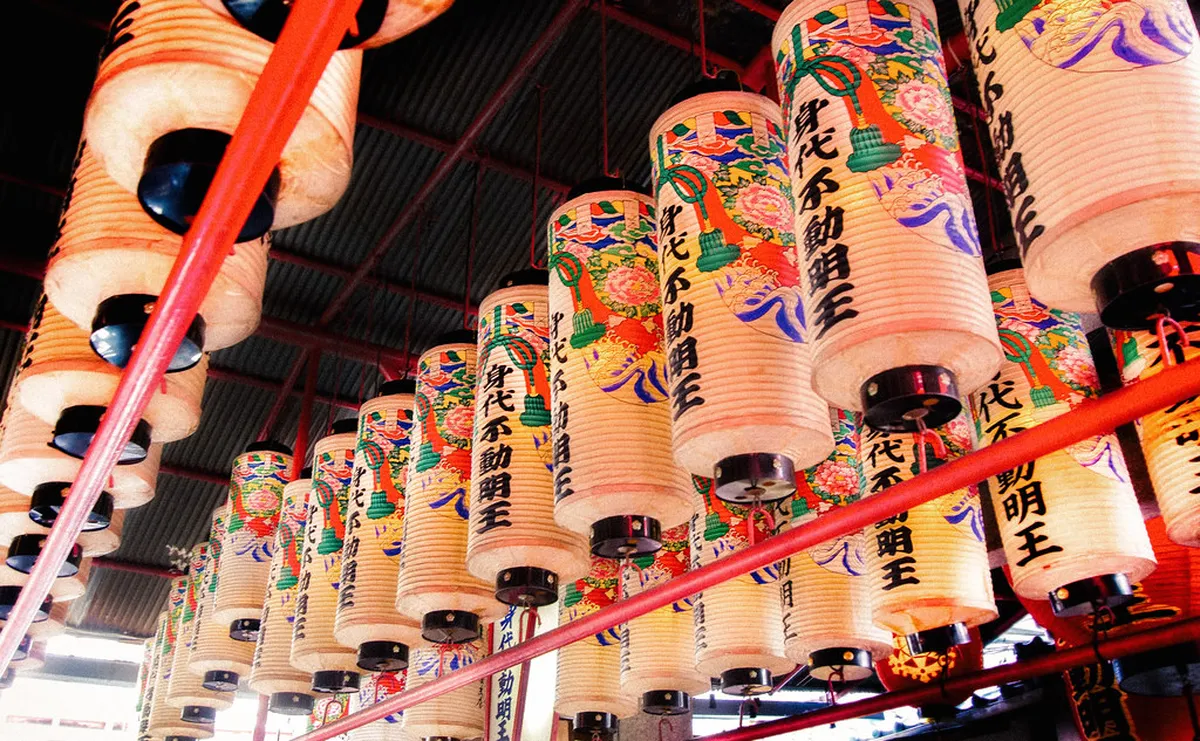
Best Nagoya New Year Shrine Visits for 2026
Experience the magic of Nagoya New Year shrine visits during your winter trip to Japan in 2026. This ancient tradition, known as Hatsumode, brings millions of people to sacred sites across the city. You can enjoy festive food stalls and traditional rituals at many historic locations. This guide covers everything you need for a perfect spiritual start to the new year.
Atsuta Jingu: The Spiritual Heart of Nagoya
For official information, visit Nagoya official info.
For practical details and last-minute changes, use Nagoya travel info.
Atsuta Jingu is the most famous spot for Nagoya New Year shrine visits. It houses the sacred Kusanagi-no-Tsurugi sword, a legendary treasure of Japan. Over two million people visit here during the first three days of January. The atmosphere is both solemn and festive for all guests.The shrine grounds stay open 24 hours during the New Year period. Entry to the main shrine area is free for all visitors. You should check the Atsuta Jingu event schedule for specific rituals. These ceremonies often take place early in the morning or late at night.
Large crowds gather here on New Year's Eve to hear the bells. The atmosphere feels electric yet deeply respectful and traditional. You will see many locals wearing beautiful kimonos for the occasion. It is a wonderful time to witness authentic Japanese culture in action.
Food stalls line the paths leading to the main shrine buildings. You can try local snacks like grilled squid or sweet bean soup. These stalls usually operate from late December through early January. They provide a warm and tasty break from the winter cold.
Osu Kannon: Tradition in a Vibrant Neighborhood
Osu Kannon is another top choice for Nagoya New Year shrine visits. This Buddhist temple sits in the heart of a lively shopping district. It offers a unique mix of spiritual tradition and urban energy. Many younger people prefer this location for its fun surroundings.
Visitors come here to pray for success and good health in 2026. The temple is famous for its massive red paper lantern. You can find detailed tips in this Osu Kannon celebration guide. It helps you navigate the temple grounds during the busy holidays.
The surrounding Osu Shopping Street remains very active during the holidays. Many shops offer special lucky bags known as fukubukuro. This makes the temple visit a great starting point for a full day out. You can find great deals on electronics, clothes, and souvenirs.
You can reach Osu Kannon easily via the Tsurumai Subway Line. The station is just a short walk from the temple entrance. Expect large crowds on January 1st through January 3rd. Arriving early in the morning can help you avoid the longest lines.
Essential Hatsumode Traditions and Etiquette
Understanding Hatsumode etiquette will make your visit more meaningful. Start by bowing slightly before you pass through the torii gate. This shows respect as you enter the sacred space of the shrine. Always walk on the sides of the path, not the center.
Many people purchase an omikuji, which is a traditional paper fortune. If the fortune is bad, you should tie it to a designated wire. This allows the bad luck to stay at the shrine. If the fortune is good, you can keep it in your wallet.
You might also want to buy a new omamori charm. These amulets provide protection or luck for specific areas of your life. You can choose from the best shrines for Hatsumode to find unique charms. Each shrine often has its own special design or focus.
Tossing a small coin into the offering box is a common ritual. Usually, a five-yen coin is considered the luckiest choice. This is because the word for five yen sounds like the word for connection. Bow twice, clap twice, and bow once more after your prayer.
Traditional Food Stalls and New Year Treats
Food plays a central role in Nagoya New Year shrine visits. Most shrines feature many stalls selling hot snacks and traditional drinks. This helps keep visitors warm during the cold January nights. The smell of grilled food fills the air around the sacred grounds.
Try some amazake, which is a sweet, low-alcohol fermented rice drink. It is served hot and provides a gentle energy boost. You can find traditional New Year food at almost every major site. It is a must-try experience for any winter visitor.
Miso-katsu and other Nagoya specialties are often available near the shrines. These hearty meals are perfect for a winter day in the city. Many restaurants near Atsuta Jingu stay open late for the crowds. You can enjoy a full meal after completing your prayers.
Don't miss out on mochi, which is a chewy rice cake. It is often served in a savory soup called ozoni. This dish is a staple of Japanese New Year celebrations. Eating mochi is believed to give you strength for the coming year.
Practical Logistics for Your 2026 Visit
Planning your transport is vital for a smooth holiday experience. Trains and subways in Nagoya often run on special schedules during New Year. Check the JR Central website for the latest train times. Some lines may even run throughout the night on New Year's Eve.
Dress in warm layers as you will spend much time outdoors. Temperatures in Nagoya during January can drop below freezing at night. Our winter logistics guide offers more clothing advice. Heat packs, or kairo, are very helpful for keeping your hands warm.
Most museums and some shops close from December 29th to January 3rd. However, shrines and temples remain the busiest places during this time. You should check what is open in Nagoya before heading out. This prevents disappointment when planning your daily itinerary.
Carry plenty of cash for food stalls and small offerings. Many traditional vendors at shrines do not accept credit cards yet. Having small coins ready will make the process much faster. This is especially true when purchasing charms or paper fortunes.
Frequently Asked Questions
When is the best time for Nagoya New Year shrine visits?
The best time is early morning on January 2nd or 3rd. January 1st is the busiest day with the longest wait times. If you visit late at night on New Year's Eve, expect very large crowds. Many shrines stay open 24 hours during this period.
Are shrines in Nagoya free to enter for Hatsumode?
Yes, entering the main grounds of shrines like Atsuta Jingu is free. You only need money for offerings, charms, or food from the stalls. Some specific treasure halls or museums on shrine grounds may charge a small fee. Most visitors enjoy the experience without spending much.
What should I wear for a New Year visit in Nagoya?
Wear very warm clothing and comfortable walking shoes. You will likely stand in line outdoors for an hour or more. Thermal undergarments and heavy coats are essential for the January weather. Many locals wear traditional kimonos, which is also a beautiful option.
Can I take photos during Nagoya New Year shrine visits?
Photography is generally allowed on the shrine grounds. However, you should avoid taking photos of the main inner sanctum. Look for signs that indicate restricted areas for cameras. Always be respectful of people who are in the middle of their prayers.
Nagoya New Year shrine visits offer a deep look into Japanese culture. Whether you visit Atsuta Jingu or Osu Kannon, the experience is unforgettable. Remember to dress warmly and bring cash for the festive food stalls. Start your 2026 journey with a visit to these sacred sites for good luck. Check our travel guides for more Japan winter tips.