Master Night Photography Tips for Nagoya Winter Illuminations
Capture the magic of Japan with these night photography tips for Nagoya winter illuminations this year. Nagoya transforms into a glowing wonderland during the cold 2026 winter months in Japan. These tips help you take professional photos of the city's famous light displays this season.
Essential Camera Gear for Nagoya Lights
A sturdy tripod is the most important tool for capturing sharp night photos in Nagoya. Use a professional tripod to keep your camera steady during long exposures of the city. This prevents blurry images when shooting the Nagoya winter events 2026 light displays in the city.
Fast lenses with wide apertures help you capture much more light in dark winter settings. Look for lenses with an f/2.8 or lower f-stop to achieve the best photo results. These lenses allow faster shutter speeds to freeze subtle light movements during the cold night.
Cold winter nights will drain your camera batteries much faster than you might expect today. Always carry at least two spare batteries inside your warm jacket pocket for easy access. Keeping them close to your body heat ensures they stay charged for your entire trip.
- Spare batteries: $30-$60 each
- Lens heaters: $20-$40
- Microfiber cloths: $5-$10
Best Camera Settings for Night Illuminations
Manual mode gives you full control while using these night photography tips for Nagoya winter illuminations. Set your ISO between 100 and 400 to keep your final images looking very clean. High ISO settings often create unwanted grain in the dark sky areas of your photos.
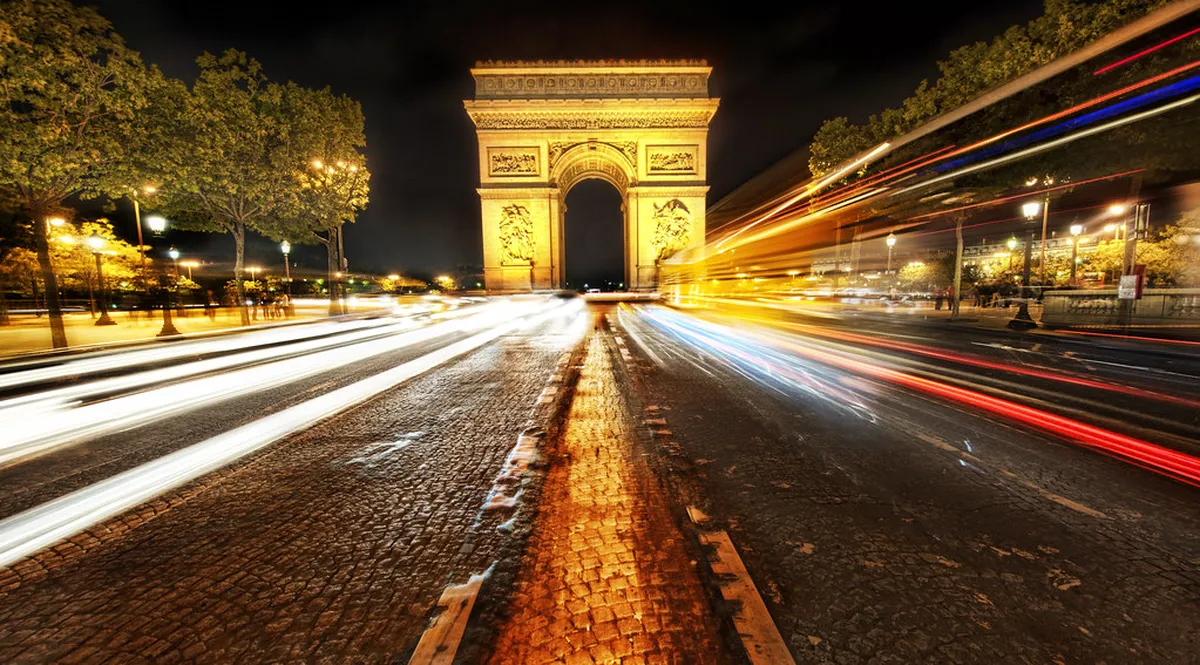
Shutter speeds between one and five seconds work well for most of the local displays. Use a remote shutter release or the camera timer to avoid shaking the camera body. This technique ensures the lights appear crisp and vibrant in every single photo you take.
Choose a mid-range aperture like f/8 for maximum sharpness across the entire image frame. This specific setting helps capture the intricate details of the large light structures in Nagoya. It also creates a beautiful starburst effect on small and bright light bulbs at night.
Composition Tips for Stunning Winter Photos
Look for reflections in water or glass to double the visual impact of your shots. The Oasis 21 winter illumination offers amazing glass surfaces for these creative reflections in Nagoya. Use these reflections to create a sense of depth and scale in your winter images.
Frame your subject using nearby trees or architectural elements for a much better visual balance. Leading lines can guide the viewer's eye toward the main light display in the center. This makes your 2026 Nagoya photos look more professional and artistic to every single viewer.
Experiment with different heights and angles to find unique perspectives of the famous light shows. Squatting low to the ground can make light tunnels appear much longer than they actually are. Try shooting through foreground objects to add a soft and beautiful bokeh effect to images.
Mastering White Balance and Color
Shooting in RAW format is vital for these night photography tips for Nagoya winter illuminations. RAW files preserve all the data from the camera sensor for much better post-processing results. This allows you to fix exposure and color issues without losing any image quality today.
Adjust your white balance settings to avoid unnatural yellow or blue tints in your photos. The "Tungsten" or "Incandescent" setting often works best for these artificial light displays in Japan. It keeps the whites looking clean and the colors looking true to the real scene.
Check your histogram frequently to ensure you are not losing detail in the bright areas. Avoid overexposing the bright lights because "blown out" highlights cannot be recovered in editing software. Aim for a balanced exposure that keeps the shadows dark but still very detailed overall.
Top Locations for Nagoya Winter Photography
Visit the Nabana no Sato illumination 2026 for world-class light tunnels and festive flower displays. This massive park features millions of LED lights and a giant observation deck for visitors. Consult the Japan National Tourism Organization for the latest 2026 event schedules and park hours.
Head to the Sakae district for urban lights and beautiful city views from the street. The Nagoya TV Tower provides a stunning backdrop for all your night photography sessions this winter. Check JR Central for train schedules to reach the various illumination spots across the city.
Explore the Osu District for a mix of traditional and modern lights in Nagoya city. The temples and shopping streets offer a unique atmosphere during the cold winter months here. These locations provide excellent opportunities for capturing local street life under the festive winter glows.
Frequently Asked Questions
What is the best time to photograph Nagoya winter illuminations?
The best time to photograph the lights is during the 'blue hour' just after sunset. This time offers a deep blue sky that contrasts beautifully with the warm glowing lights. Arrive at least thirty minutes before sunset to set up your camera gear and tripod.
Do I need a tripod for Nabana no Sato illuminations?
A tripod is highly recommended for sharp photos but some areas may have space restrictions. Large crowds can make it difficult to use a full-sized tripod in the narrow light tunnels. Consider using a compact travel tripod or a monopod to remain mobile during your visit.
How should I dress for night photography in Nagoya?
Nagoya winters are quite cold so you should wear several layers of warm thermal clothing. Focus on keeping your hands warm with specialized photography gloves that allow finger access for buttons. Wear comfortable walking shoes because you will be standing on cold pavement for several hours.
Using these night photography tips for Nagoya winter illuminations will improve your 2026 holiday photos. Remember to pack your tripod and extra batteries before heading out into the cold night. Start planning your photography trip to Nagoya today to capture these incredible seasonal light displays.