Nikkō Winter Transportation Tips for a Safe 2026 Trip
Planning a snowy escape requires solid Nikkō Winter Transportation Tips for your 2026 journey. This mountain town transforms into a beautiful winter wonderland each year. You must understand the transit options to enjoy the scenery safely. Navigating icy roads and snowy paths is easy with the right knowledge.
Choosing the Best Train to Nikkō
For practical details and last-minute changes, use Nikkō travel info.
For official information, visit Nikkō travel info.
Getting from Tokyo to Nikkō is very simple in 2026. Most travelers choose the Tobu Railway from Asakusa Station. The Limited Express Spacia X is the fastest choice available. It takes about two hours to reach the mountains. You should book your seats online before your travel date.If you have a JR Pass, use the Shinkansen. Take the bullet train from Tokyo to Utsunomiya Station. From there, transfer to the local JR Nikkō Line. This journey takes roughly one hour and forty minutes. It is a great way to see the countryside. Learn more about getting from Tokyo to Nikko in winter for your trip.
Winter weather rarely stops the trains in Japan. However, heavy snow can cause minor delays sometimes. Always check the tobu nikko line winter train schedule 2026 before leaving. The stations are warm and offer many helpful services. You will find English signs at all major platforms. Staff members are usually available to help with directions.
The 2026 season features updated carriages on many routes. These trains offer large windows for viewing the snow. You can enjoy hot drinks from the onboard vending machines. Some premium cars even offer private seating areas. These are perfect for families or small groups. Traveling by rail remains the most relaxing option.
Essential Nikkō Winter Transportation Tips for Buses
Buses are the primary way to move around the city. The Tobu bus network connects the stations to shrines. Buses run every 10 to 15 minutes during peak hours. You can use IC cards like Suica or Pasmo. This makes paying for your fare very quick. Most buses have screens showing the next stop.
Buying a specialized pass can save you a lot of money. The Nikko All Area Pass winter benefits 2026 include unlimited bus rides. This pass is valid for four consecutive days. It covers the World Heritage area and Lake Chuzenji. You can purchase these passes at the Tobu-Nikko Station. They are also available as digital tickets on smartphones.
Winter routes might change slightly due to heavy snowfall. Some higher mountain roads may close during blizzards. Bus drivers in Nikkō are experts at driving in snow. They use special tires to ensure passenger safety. You should expect longer travel times during snowy days. Patience is key when traveling in the mountains.
The buses can get very crowded on winter weekends. Try to start your day early to avoid lines. The first buses usually leave around 8:00 AM. Many people head to the lake chuzenji winter activities nikko area. Secure a seat by boarding at the main station. This ensures a comfortable ride up the winding roads.
Driving Safety on Icy Mountain Roads
Driving yourself offers freedom but requires extra caution. Snow and ice cover the roads from December to March. You must ensure your rental car has winter tires. Most local agencies provide these during the cold months. Check the tire tread before you drive away. Safety should always be your first priority.
The Irohazaka Winding Road is a famous driving challenge. It features 48 sharp turns on a steep slope. These turns can become very slippery in the morning. Black ice is a common hidden danger for drivers. You should drive slowly and avoid sudden braking. Follow these driving in nikko during winter safety tips for success.
Parking can be difficult during the busy winter season. Many lots near the shrines fill up by noon. Some smaller parking areas might be blocked by snowdrifts. It is better to use the large public lots. These are usually cleared of snow every morning. Always keep a snow brush in your vehicle.
Gas stations are less frequent in the higher mountains. Fill your tank before heading toward the national park. Modern GPS systems will show the nearest open stations. Be aware that some mountain roads close at night. Check the local traffic reports for any sudden closures. A well-planned drive leads to a great adventure.
Walking Gear and Footwear for Snow
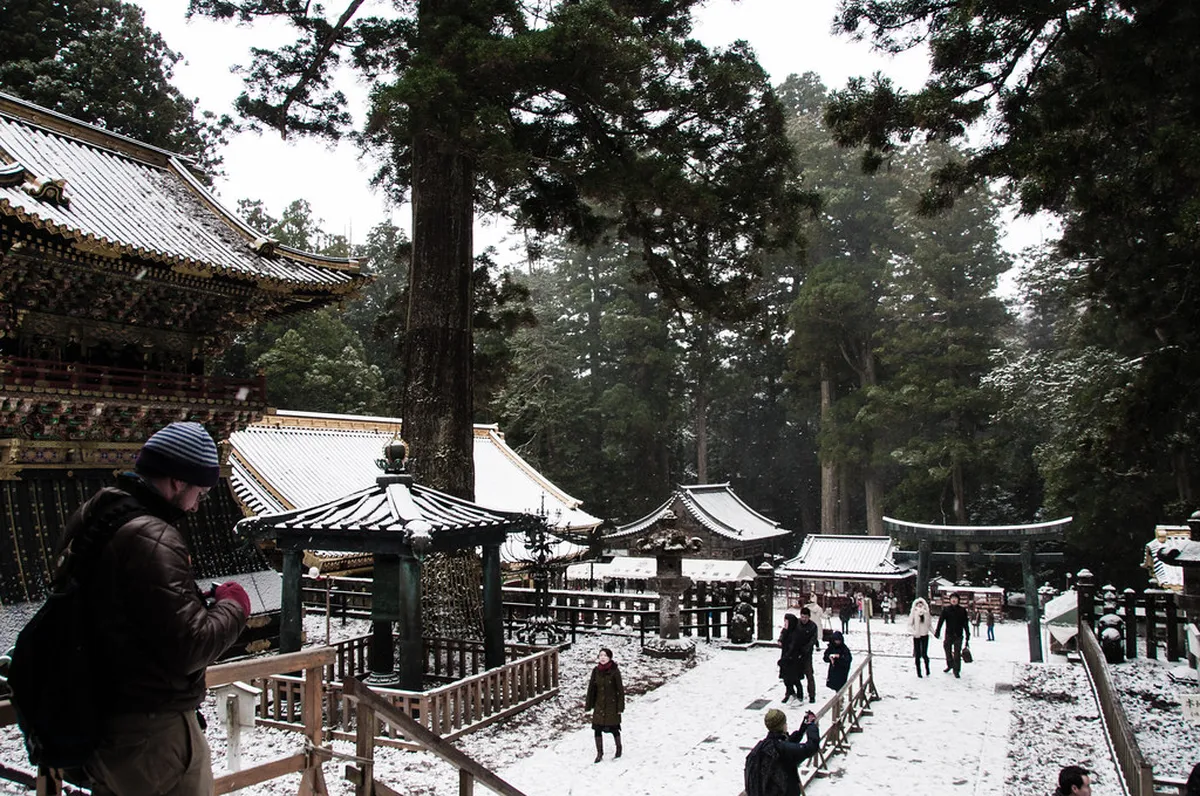
Walking is the best way to see the shrines. However, the stone paths become very icy and slick. Standard sneakers do not provide enough grip for snow. You should wear waterproof boots with thick soles. This keeps your feet warm and dry all day. Warm socks are also a vital necessity.
You can purchase slip-on ice cleats at local shops. These rubber grips have metal spikes for better traction. They fit easily over most types of regular shoes. You will find them at convenience stores near stations. These are essential for climbing the steep shrine stairs. Safety gear makes your sightseeing much more enjoyable.
Take small and careful steps when walking on ice. Keep your hands out of your pockets for balance. Many areas around the temples have handrails for support. Use them whenever you are walking on slopes. Refer to our guide on walking in nikko snow shoes and gear. Proper technique prevents many common winter accidents.
Most major stations offer coin lockers for your luggage. Storing heavy bags makes walking much easier for you. Large lockers cost around 700 to 1,000 yen daily. They accept both coins and IC card payments. These lockers often fill up early in the day. Arrive early to secure a spot for your belongings.
Using Taxis and Local Transport Services
Taxis provide a comfortable alternative to the local buses. You can find them waiting outside both train stations. They are a great choice for short trips. Taxis are especially helpful if you have heavy bags. Most drivers are very familiar with the winter roads. They offer a warm and private travel experience.
A short ride within the town costs about 1,500 yen. Longer trips to the lake are much more expensive. You can expect to pay over 6,000 yen. Many taxis now accept credit cards and mobile apps. Check for the payment stickers on the taxi window. Learn more about nikko winter taxi services and estimated costs here.
Private shuttle services are also available at some hotels. Many high-end ryokans offer free station pick-up for guests. You should book these services at least one day early. This is a very convenient way to reach your room. It saves you from waiting for buses in the cold. Always ask your hotel about their winter transport.
Ride-sharing apps are not common in this rural area. You should rely on traditional taxi companies instead. Most restaurants can call a taxi for you after dinner. This is helpful when the buses stop running at night. Knowing your options ensures you never get stranded. Planning your return trip is always a smart move.
Frequently Asked Questions
What is the best bus pass for Nikkō in winter?
The Nikko All Area Pass is the best choice for winter. It offers four days of unlimited travel on buses and trains. This pass includes the route to Lake Chuzenji and Yumoto Onsen. You can buy it at Tobu-Nikko Station or online for convenience.
Are the roads to Lake Chuzenji safe in winter?
The roads are generally safe because they are cleared daily. However, the Irohazaka road requires winter tires and careful driving. Buses are the safest way to travel up the mountain. Drivers are very experienced with the local snowy and icy conditions.
Do I need special shoes for visiting Nikkō shrines?
Yes, you need waterproof boots with good traction for the shrines. The stone paths and stairs become very slippery when covered in ice. You can also buy attachable ice cleats at local convenience stores. These provide extra grip for walking on steep, frozen surfaces safely.
Using these Nikkō Winter Transportation Tips ensures a smooth 2026 trip. Focus on using the reliable train and bus networks for safety. Remember to wear proper footwear and plan for extra travel time. Enjoy the breathtaking snowy views of this historic Japanese city. Book your bus pass today to start your mountain adventure!