
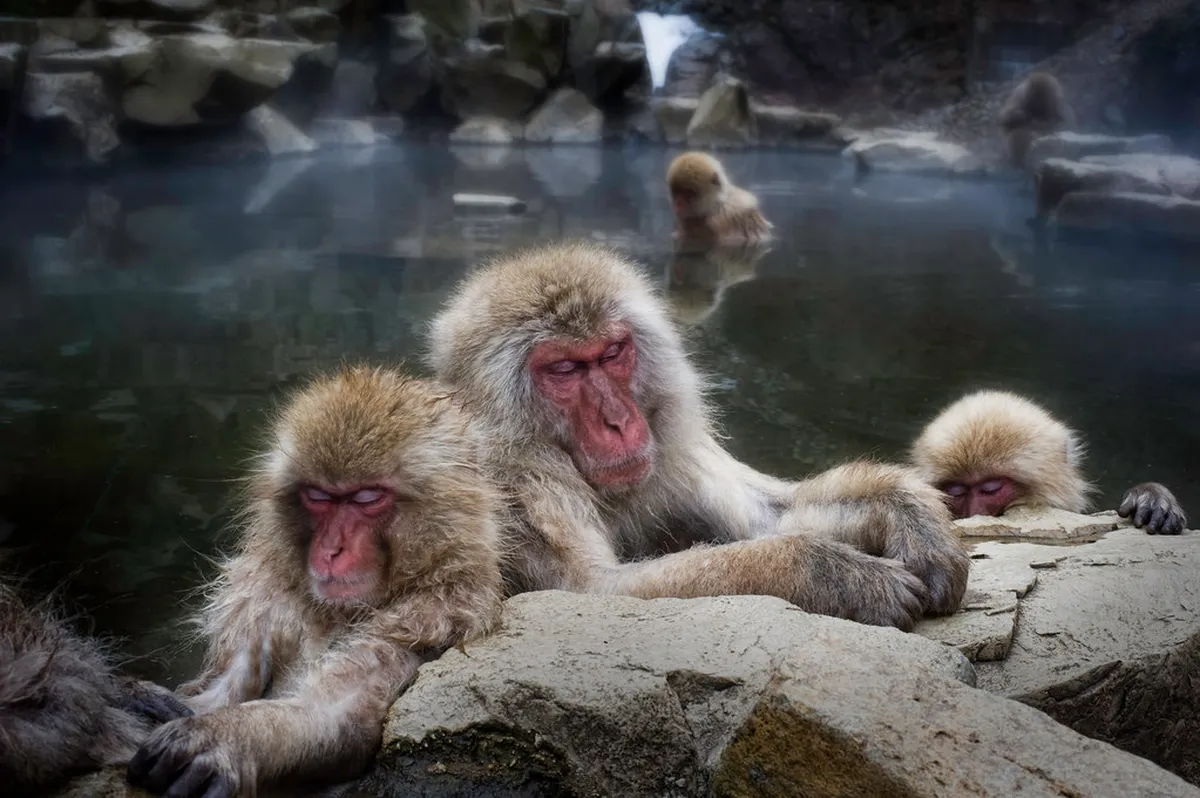
Guide to Photographing Wild Monkeys in Nikkō Winter Snow
Snow blankets the ancient forests of Nikkō every winter. This creates a stunning backdrop for wildlife photographers. You can see Japanese macaques playing in the white powder. Photographing wild monkeys in Nikkō winter snow is a magical experience.
Best Locations to Find Nikkō Monkeys
Finding monkeys requires patience and local knowledge. Most sightings happen along the Irohazaka Winding Road. Look for them near the rest areas and viewpoints. They often huddle together to stay warm in 2026.
Another great spot is near the Kegon Falls area. Check out other best winter photography spots Nikkō offers. Monkeys frequent the trees surrounding the famous waterfall. Walk quietly along the forest trails to find them.
The monkeys are active during the early morning hours. They move through the trees looking for food. Keep your eyes on the high branches. You might see them jumping between snow-covered limbs.
Remote trails around Lake Chūzenji also offer great sightings. These areas are quieter and have fewer tourists. This allows for more natural behavior from the macaques. Always stay on the marked paths for your safety.
Essential Gear for Winter Wildlife
Winter in Nikkō is very cold and wet. You need a camera with good weather sealing. A telephoto lens is essential for wildlife shots. Aim for a focal length of 200mm or more.
Batteries drain quickly in the freezing mountain air. Always carry at least two spare batteries. Keep them in an inside pocket near your body. Learn more about best camera gear for Nikkō winter photography before you go.
A sturdy tripod helps with stability in the wind. Use one with carbon fiber legs if possible. Metal legs can become painfully cold to touch. Wear thin gloves that allow you to operate buttons.
Protect your gear from falling snow with a cover. Even weather-sealed cameras benefit from extra protection. Keep a microfiber cloth handy to wipe the lens. Snowflakes on the glass can ruin a great shot.
Photography Techniques for Snow Scenes
Snow can trick your camera's light meter. Your photos might look too dark or grey. Use exposure compensation to brighten the scene. Set it to +1 or +2 for best results.
Fast shutter speeds are vital for moving animals. Monkeys move quickly even in deep snow. Try to stay above 1/500th of a second. This ensures your images remain sharp and clear.
Consider visiting Lake Chūzenji winter activities for more photo opportunities. The light there is beautiful during the golden hour. Early morning provides the softest light for fur textures.
Focus specifically on the monkey's eyes for impact. This creates a connection between the subject and viewer. Use a wide aperture to blur the background. This makes the monkey stand out against the snow.
Safety and Ethical Photography Tips
Wild monkeys are unpredictable and can be defensive. Never feed the animals under any circumstances. This prevents them from becoming aggressive toward humans. Follow the rules from the Nikko Official Guide to stay safe.
Maintain a distance of at least five meters. Use your zoom lens to get close-up shots. Avoid making direct eye contact with the macaques. This is often seen as a sign of a threat.
Look for hidden winter photo spots in Nikkō Japan for quiet locations. Respect the natural environment and do not leave trash. Keep noise levels low to avoid startling the wildlife. Your presence should be as quiet as possible.
Be mindful of your surroundings while looking through the lens. The terrain can be slippery and dangerous in winter. Watch for ice on the roads and trails. Proper hiking boots with good grip are essential.
Frequently Asked Questions
What is the best time of day to see monkeys in Nikkō?
The best time is early morning, usually between 7:00 AM and 9:00 AM. Monkeys are most active as they begin searching for food. They tend to rest during the middle of the day to conserve energy in the cold.
Are the monkeys in Nikkō dangerous to photographers?
They are generally not dangerous if you maintain a safe distance. Avoid carrying food or making loud noises. Never try to touch or pet them. Respecting their space ensures a safe experience for everyone involved.
Where can I find monkeys without hiking long distances?
You can often spot them along the Irohazaka Winding Road from your car. There are several parking areas where they gather near the roadside. This is the easiest way to see them in the winter snow.
Photographing monkeys in the snow is a dream for many. Nikkō offers the perfect setting for this adventure in 2026. Respect the wildlife and enjoy the stunning scenery. Your photos will be a lasting memory of Japan's wild beauty.