
Expert Shinkyo Bridge Winter Photography Tips and Spots
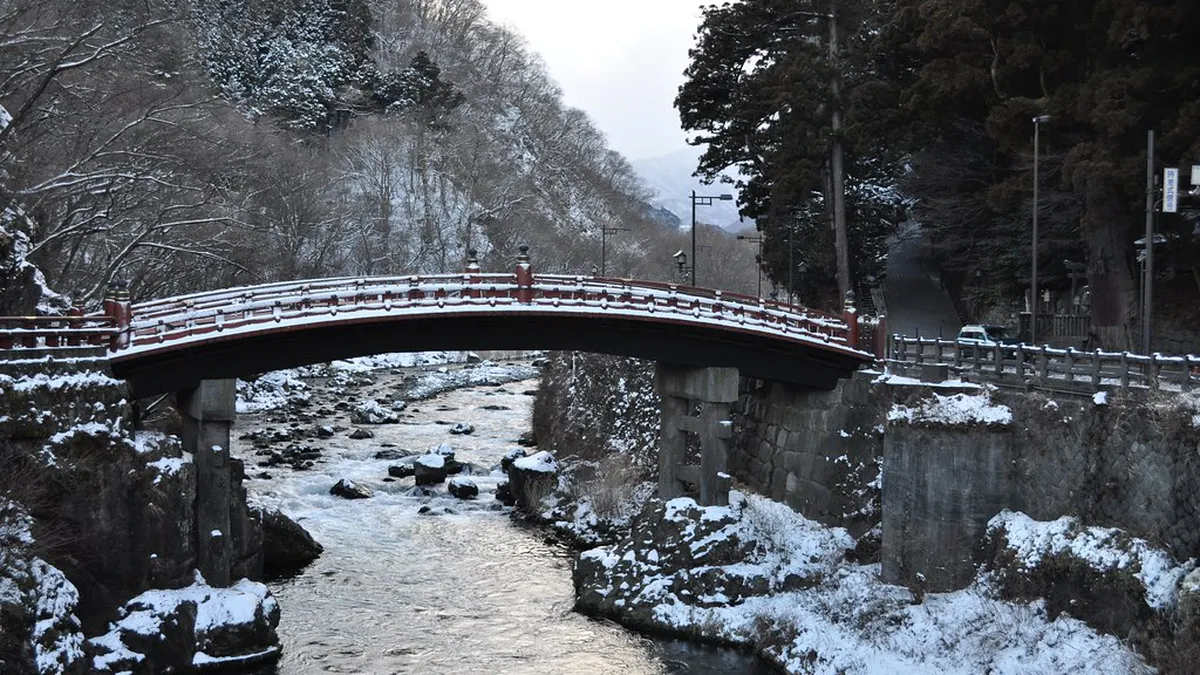
Shinkyo Bridge is a stunning sight in winter. The red wood contrasts beautifully with white snow. Use our Shinkyo Bridge winter photography tips and spots to get great photos. Visit Nikko in 2026 for a truly magical experience.
Shinkyo Bridge Winter Photography Tips and Spots
The most popular view is from the adjacent road bridge. This spot provides a clear side profile of the structure. You can capture the bridge and the river below easily. It is the easiest place to set up a tripod.
Walk further up the road for a higher perspective. This angle shows more of the surrounding cedar trees. The snow-covered branches frame the red bridge perfectly. It creates a classic Japanese winter landscape scene.
Try shooting from the riverbank level if access allows. This lower angle makes the bridge look more imposing. You can use the flowing water as a leading line. Ensure you wear boots with good grip on icy rocks.
Wait for a break in the traffic for clean shots. Moving cars can distract from the peaceful winter atmosphere. Use a slow shutter speed to blur the blue water. This technique emphasizes the stillness of the snowy banks.
Camera Gear and Settings for Snow
Snow can trick your camera light meter easily. Your photos might look gray instead of bright white. Increase your exposure compensation by one or two stops. This keeps the snow looking clean and crisp.
Use a sturdy tripod for sharp winter images. Cold winds can cause slight camera shake during long exposures. A tripod is essential for capturing the river movement. Check out the best camera gear for Nikko winter photography for more ideas.
Keep your spare batteries close to your body. Cold weather drains battery life much faster than usual. Carry at least two extra batteries in an inner pocket. This ensures you do not miss the perfect shot.
Set your white balance to daylight or cloudy modes. Auto white balance often makes snow look too blue. Manual settings help you maintain the warm red bridge tones. These small adjustments make a huge difference in quality.
Timing Your Visit for the Best Snow
Early morning is the best time for fresh snow. The bridge remains untouched by footprints before the crowds arrive. Aim to reach the bridge by 7:00 AM in 2026. The soft morning light enhances the red colors.
Late afternoon provides a warm glow on the mountains. This golden hour light creates deep shadows in the snow. It adds texture and depth to your landscape photos. Check the Nikko Official Guide for local sunrise times.
Snowfall is most frequent in January and February. These months offer the highest chance of a thick snow blanket. Visit during a weekday to avoid large groups of tourists. You will have more space to set up your gear.
Check local weather forecasts daily before your trip. Heavy snow can sometimes close the paths near the bridge. Clear days after a storm provide the best visibility. You can see the distant mountains behind the bridge clearly.
Nearby Spots for Winter Photography
The Toshogu Shrine is just a short walk away. Its gold details look incredible against the white snow. Many photographers visit both locations on the same morning. It is a top choice among best winter photography spots Nikko offers.
Kanmangafuchi Abyss features rows of stone statues with snow caps. These statues wear red bibs that pop against the white. The rushing river nearby adds a dynamic element to photos. It is a peaceful spot for creative winter compositions.
If you want fewer crowds, look for hidden winter photo spots in Nikko Japan nearby. These locations offer unique views of the mountain landscape. You can find quiet corners away from the main road. These spots provide a different perspective on Nikko.
Do not miss the cedar-lined paths leading to the shrines. These ancient trees create a natural tunnel of snow. Use a wide-angle lens to capture the scale of the forest. The contrast of dark wood and white snow is striking.
Practical Tips for Shooting in Nikko
Wear thermal layers and waterproof boots for comfort. You might spend hours standing in the snow for shots. Hand warmers are very helpful for keeping your fingers nimble. Staying warm allows you to focus on your composition.
Use a lens hood to keep snowflakes off the glass. Carry a microfiber cloth to wipe away any moisture quickly. Avoid breathing on the viewfinder to prevent fogging in the cold. These small steps protect your expensive photography equipment.
Respect the local rules regarding tripod use and access. Some areas near the bridge may be restricted for safety. Follow all signs posted by the UNESCO World Heritage Centre staff. Keeping the site preserved is important for everyone.
Parking near the bridge can be difficult in winter. Use public transport from Nikko Station to save time. Buses run frequently and stop right near the bridge entrance. This makes your photography trip much more convenient and stress-free.
Frequently Asked Questions
When is the best time for snow at Shinkyo Bridge?
The best time for snow is January and February. These months have the most frequent snowfall in Nikko. Early morning visits in 2026 will offer the freshest snow. You can find more timing tips at Nikko winter events 2026 guides.
Do I need a tripod for Shinkyo Bridge winter photography?
A tripod is highly recommended for sharp images. It helps during low light in the early morning. It also allows for long exposures of the river water. Ensure your tripod is sturdy enough for winter winds.
Is there an entry fee for Shinkyo Bridge?
It is free to photograph the bridge from the road. There is a small fee if you wish to cross. Most photographers stay on the road bridge for the best angles. The view from the road is excellent for landscapes.
What camera settings are best for snow photography?
Use exposure compensation set to +1 or +2. This prevents the snow from looking gray or dull. Keep your ISO low for the cleanest possible image quality. Use a narrow aperture like f/11 for sharp landscape details.
Shinkyo Bridge is a highlight of any winter trip to Nikko. Use these Shinkyo Bridge winter photography tips and spots to improve your work. Plan your 2026 visit during the peak snow months. Capture the timeless beauty of this historic Japanese landmark today.