
Guide to Winter Wildlife Spotting in Okunikkō Japan
Winter wildlife spotting in Okunikkō Japan mountains is a magical experience. The quiet forests of Nikkō come alive with movement against the white snow. You can see rare animals in their natural habitat during the 2026 season. This guide helps you find the best spots for a successful trip.
Top Locations for Wildlife Spotting
The Senjogahara Marshland is the best place to start your journey. This vast plateau offers wide views that make spotting movement very easy. You can follow the Senjogahara Marshland winter hiking guide to find the best trails. Many animals cross this open space during the early morning hours.
Lake Chuzenji is another excellent spot for winter wildlife enthusiasts. The water stays warmer than the surrounding land in early winter. This attracts various bird species and thirsty deer to the shoreline. You can explore many Lake Chuzenji winter activities while looking for animals. The frozen edges of the lake provide unique photo opportunities.
Odashirogahara is a smaller marshland surrounded by deep forest. It is quieter than other areas and attracts shy animals. You might see the famous "Lady of Odashiro" birch tree here. The forest edges are prime spots for spotting the elusive Japanese serow. Stay on the designated boardwalks to protect the fragile winter environment.
Higher elevations near Mount Nantai offer different viewing experiences. The steep slopes are home to hardy mountain goats and eagles. You should check the official Nikkō tourism website for current trail conditions. Deep snow can make these areas harder to reach without proper gear. Always check the weather forecast before heading into the higher mountains.
Animals to See in Okunikkō Mountains
Japanese Macaques are the most famous residents of the Nikkō mountains. These "snow monkeys" are very active even in freezing temperatures. You will often see them grooming each other near the roads. They travel in large family groups through the cedar forests. Please do not feed them as they are wild animals.
Sika Deer are very common throughout the Okunikkō region in winter. Their dark winter coats stand out clearly against the bright white snow. You can often see them grazing on bark and dry shrubs. They are most active during the dawn and dusk hours. Keep a quiet profile to watch them without causing any stress.
The Japanese Serow is a unique goat-antelope found in these mountains. They have thick fur and short horns that look very prehistoric. Serows are solitary animals and like to stand still on rocky ledges. Finding one requires patience and a good pair of binoculars. They are considered a national symbol of Japan's natural heritage.
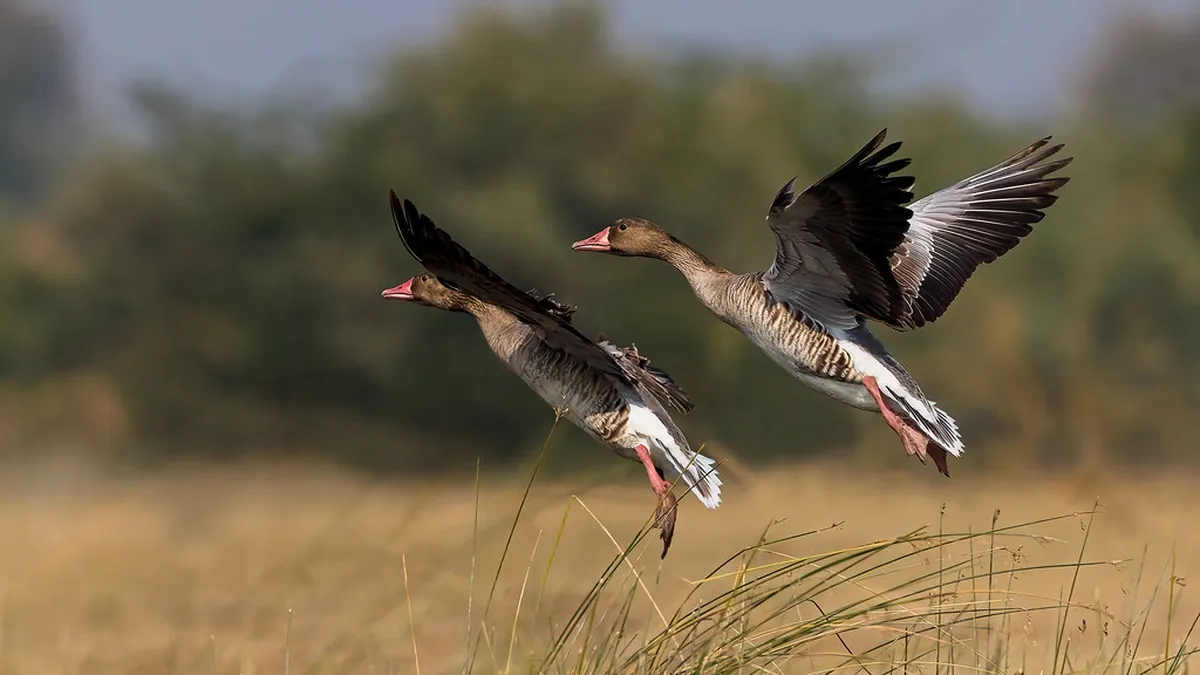
Winter birds add color and sound to the silent mountain forests. You might spot the vibrant Copper Pheasant running across the snow. Great Spotted Woodpeckers are often heard drumming on the frozen trees. Look for the white-fronted geese near the open water of the lakes. Birdwatching is particularly good near the warm spring areas of Yumoto.
Essential Gear for Winter Wildlife Viewing
Proper footwear is the most important part of your winter kit. Deep snow covers most of the trails in the Okunikkō highlands. You should consult an Okunikkō snowshoeing and hiking guide for equipment tips. Snowshoes allow you to reach remote areas where animals hide. Waterproof boots will keep your feet warm during long periods of waiting.
Optical equipment will greatly improve your chances of seeing distant animals. A pair of 8x42 binoculars is ideal for mountain viewing. This size provides a wide field of view and good light. You can spot a serow on a distant cliff much easier. Compact binoculars are also a good choice for long winter hikes.
Clothing layers are vital for staying warm while standing still. Wildlife spotting involves a lot of waiting in the cold. Wear a moisture-wicking base layer to keep sweat away. Add a thick down jacket and a waterproof outer shell. Do not forget warm gloves, a hat, and thermal socks.
- Pack extra batteries for your camera and phone.
- Carry a thermos with a hot drink to stay warm.
- Use polarized sunglasses to reduce snow glare.
- Bring a small foam pad to sit on the snow.
Expert Tips for Winter Wildlife Spotting
Timing is everything when you want to see wild animals. Most creatures in Okunikkō are active during the "golden hours." Plan to be on the trails at sunrise for the best luck. The low light makes animal silhouettes easier to identify. Evening sightings are also common as animals move toward their sleeping spots.
Learning to read tracks in the snow is a valuable skill. Fresh snow acts like a giant diary of animal movements. Look for the heart-shaped prints of Sika deer near the trees. Macaque tracks look like small human handprints in the soft powder. Following these tracks can lead you to active feeding areas safely.
You must know how to reach Okunikkō from Nikkō Station early in the morning. The first buses leave early to accommodate hikers and photographers. Using public transport is easier than driving on icy mountain roads. The Tobu bus system is reliable and stops near major trailheads. Buy a multi-day pass to save money on your winter travels.
Safety should always be your top priority in the mountains. Never approach wild animals too closely for a photo. Keep at least 20 meters of distance from deer and monkeys. If an animal stops eating and looks at you, you are too close. Respecting their space ensures they stay in the area for others.
Frequently Asked Questions
Are bears active during winter in Okunikkō?
Asiatic Black Bears in Okunikkō typically hibernate from December until late March. While sightings are very rare in winter, you should still stay alert. Always check local signs at trailheads for any recent activity. Carrying a bear bell is a good safety habit year-round in Japan.
What is the best month for winter wildlife spotting?
February is often the best month for spotting wildlife in the mountains. The snow cover is deepest, which forces animals into predictable feeding areas. Cold temperatures keep the snow crisp, making tracks easier to follow. You will also experience the clearest winter skies during this month.
Do I need a guide to see animals in Nikkō?
You can certainly spot wildlife on your own in Okunikkō. However, a local guide knows the secret hiding spots of rare species. They can also provide expert information about animal behavior and mountain safety. Many tours include snowshoe rentals and transport from the station.
Winter wildlife spotting in Okunikkō Japan mountains offers a peaceful escape into nature. You can see incredible animals while enjoying the snowy 2026 landscape. Remember to dress warmly and respect the local environment. Start planning your Nikkō winter adventure today for an unforgettable experience.