
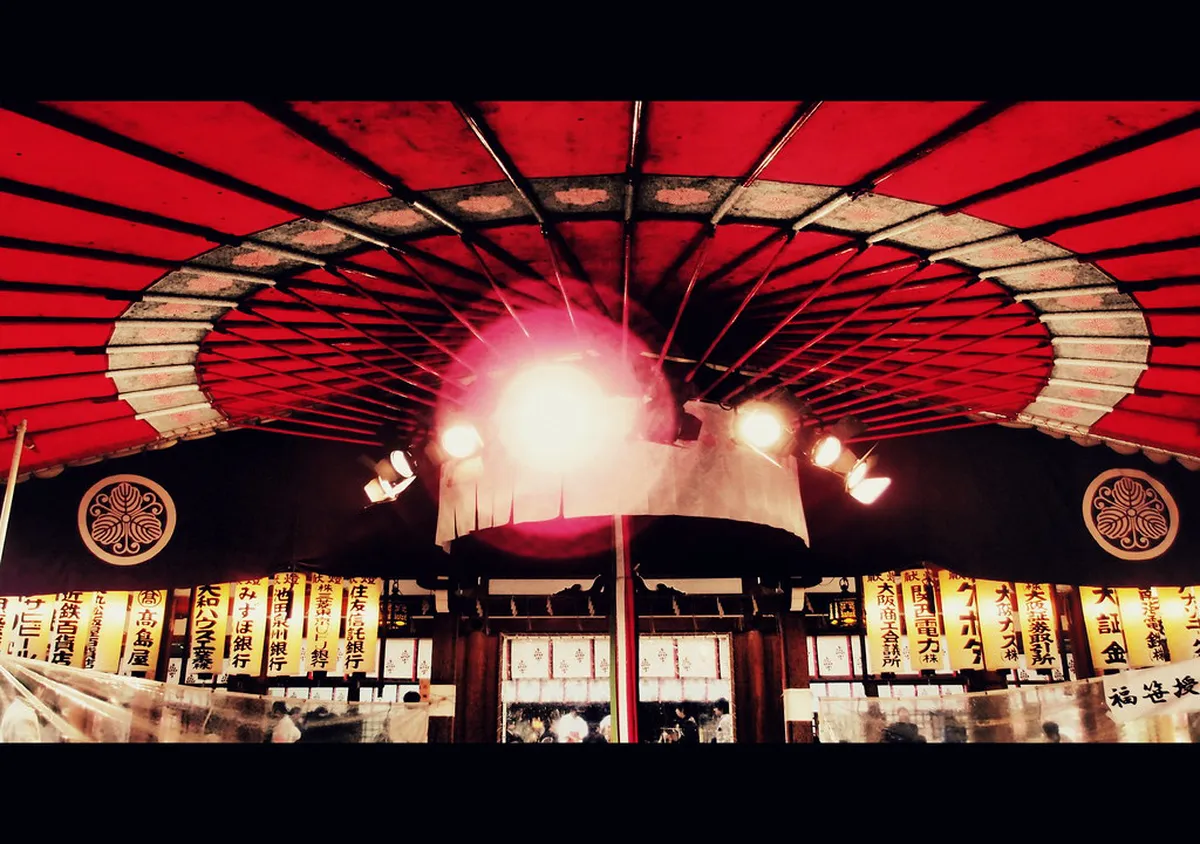
Your Guide to the Toka Ebisu Festival Osaka 2026
The Toka Ebisu Festival Osaka is a vibrant celebration held every January in the Naniwa Ward. This festival honors Ebisu, the god of commerce and one of the Seven Lucky Gods in Japan. Visitors flock to the Imamiya Ebisu Shrine to pray for prosperity and great wealth in 2026. It is one of the most important Osaka winter events for local business owners.
What is the Toka Ebisu Festival Osaka?
The Toka Ebisu Festival Osaka is a massive event that draws over one million visitors each year. It focuses on Ebisu, affectionately known by locals as Ebessan, who protects business and fishing industries. The festival takes place from January 9th to January 11th at the famous Imamiya Ebisu Shrine. You will experience a unique blend of ancient tradition and modern business culture during these three days.
Understanding what is the Toka Ebisu lucky festival helps you appreciate the deep roots of Osaka commerce. The city has always been a merchant hub, making this deity incredibly popular with the local residents. Merchants come here to return their old charms and buy new ones for the upcoming fiscal year. The atmosphere is electric with the sound of traditional music and the smell of street food.
The name Toka Ebisu literally means the tenth day of Ebisu, marking the peak of the celebration. While the main rituals happen on the tenth, the entire period is filled with exciting cultural activities. You can see businessmen in suits standing next to families in traditional kimonos at the shrine. This mix of people creates a wonderful sense of community that is unique to the Osaka region. It is a fantastic way to start your travel journey in early 2026.
During the festival, you will hear the famous chant of "Sshobai hanjo de sasa motte koi." This phrase translates to "Prosper your business and bring the bamboo branches here" in the local dialect. The rhythmic chanting adds to the high energy that defines the spirit of the people of Osaka. It is a loud, crowded, and joyful event that welcomes everyone regardless of their professional background. You should definitely include this in your winter itinerary for Japan.
Best Days to Visit Imamiya Ebisu Shrine
Choosing the best day to visit Imamiya Ebisu Shrine depends on your preference for crowds. January 9th is called Yoebisu, which serves as the eve of the main festival event. It is usually slightly less crowded than the following day, making it easier to see the rituals. Many locals prefer this day to beat the massive rush that occurs on the tenth.
January 10th is Hon-Ebisu, the most important day of the entire three-day festival schedule in Osaka. This is when the crowds are at their peak and the energy is most intense at the shrine. You will see the most elaborate ceremonies and the largest number of festival participants on this day. Be prepared for long wait times if you plan to enter the main shrine area during Hon-Ebisu.
The final day, January 11th, is known as Nokori-fuku or the leftover luck day for festival visitors. It is a great time to visit if you want a more relaxed experience while still enjoying the stalls. You can often find better deals on food and some lucky items as the festival winds down. The spirit of the event remains high, even as the final prayers are being offered to Ebessan.
Most visitors arrive in the evening when the shrine lanterns create a beautiful and mystical golden glow. The streets around the shrine become pedestrian-only zones to accommodate the thousands of people walking to the site. You should plan to arrive early in the afternoon if you want to avoid the heaviest foot traffic. Checking the Osaka Convention & Tourism Bureau website can provide specific entry times for each day.
How to Buy Lucky Bamboo and Charms
Learning how to buy lucky bamboo is essential for anyone attending the Toka Ebisu Festival Osaka. First, you must receive a free bamboo branch, known as Fukusasa, from the shrine staff members. These branches are considered sacred and represent resilience and growth for your personal or professional life. Once you have your branch, you can move to the stalls to buy various lucky charms.
The charms you attach to the bamboo are called Kitcho and they come in many different shapes. Common charms include small gold coins, rice bales, sea bream, and traditional Japanese treasure chests or bags. Each of these symbols represents a different aspect of wealth, health, and general good fortune for the year. You can choose as many or as few as you like based on your budget.
Prices for individual charms usually range from 1,000 yen to 3,000 yen depending on their size and detail. A fully decorated bamboo branch can cost anywhere from 5,000 to 15,000 yen for a very large one. Many business owners spend significant amounts to ensure their branches are covered in the most auspicious symbols possible. It is a colorful sight to see thousands of people carrying these decorated branches home.
After you select your charms, the shrine maidens will attach them to your bamboo branch with golden threads. They often perform a short blessing or a rhythmic clap to activate the luck of the charms. This process is very traditional and provides a great opportunity for photos and videos of the festival. Make sure to hold your branch high as you walk through the crowds to avoid damaging the charms.
The Lucky Fukumusume Maidens and Parade
A major highlight of the festival is the presence of the Fukumusume, or the Lucky Maidens of Osaka. These young women are selected from thousands of applicants to represent the shrine during the annual celebration. They wear traditional kimonos and distinctive golden hats that make them easily recognizable in the large festival crowds. Their primary role is to hand out the sacred bamboo branches and attach the lucky charms.
You should check the Lucky Fukumusume parade schedule before you arrive at the shrine in January. The Hoe-kago Parade is a spectacular event where the maidens are carried through the streets in colorful palanquins. This parade usually takes place on January 10th and travels through the busy Shinsaibashi and Namba shopping districts. It is a wonderful chance to see traditional Osaka culture in a modern urban setting.
The parade includes musicians playing traditional flutes and drums, creating a festive sound that echoes through the city. Celebrity guests and local leaders often join the procession to show their support for the business community. Watching the parade is free and offers some of the best photo opportunities of the entire winter season. It is a high-energy event that perfectly captures the cheerful personality of the people living in Osaka.
Being selected as a Fukumusume is considered a great honor for young women in the Kansai region of Japan. They undergo training to learn the proper rituals and how to interact with the many shrine visitors. Their bright smiles and polite manners are said to bring even more luck to those who visit them. Many people wait in long lines just to receive their bamboo branch from a specific Lucky Maiden.
Festival Food and Practical Travel Tips
No visit to the Toka Ebisu Festival Osaka is complete without sampling the incredible variety of street food. Hundreds of Yatai stalls line the streets leading to the Imamiya Ebisu Shrine during the three-day event. You can enjoy traditional food at the festival like Takoyaki, Okonomiyaki, and grilled squid. These hot snacks are perfect for staying warm while you navigate the cold January evening air.
You should consult an Osaka winter weather guide to prepare for the low temperatures during the festival. January evenings in Osaka can drop to 3 degrees Celsius, and the wind near the shrine is often quite chilly. Wear layers, including a warm coat, gloves, and a hat, to stay comfortable during your long walk. Comfortable walking shoes are also a must because you will be standing and walking for several hours.
To reach the shrine, take the Nankai Railway to Imamiyaebisu Station or the Subway Midosuji Line to Daikoku-cho Station. Both stations are just a short walk from the shrine entrance, but expect the platforms to be very crowded. Following the flow of the crowd is usually the easiest way to find the main festival area. Using a pre-paid IC card like Icoca or Suica will help you pass through the gates quickly.
If you have extra time, consider visiting other nearby attractions like the Namba Yasaka Shrine with its lion-shaped building. The festival area is also close to the Shinsekai district, which is famous for its retro atmosphere and Kushikatsu. You can find more information about the region on the Japan National Tourism Organization website. Combining the festival with a local dinner makes for a perfect winter night out in Osaka.
Frequently Asked Questions
Is there an entrance fee for the Toka Ebisu Festival?
No, there is no entrance fee to attend the Toka Ebisu Festival Osaka or enter the shrine. However, you should bring cash if you plan to buy lucky bamboo charms or street food. Most stalls do not accept credit cards or digital payments during the event.
What are the official dates for the festival in 2026?
The Toka Ebisu Festival Osaka takes place from January 9th to January 11th every year. In 2026, these dates fall on a Friday, Saturday, and Sunday. The peak celebrations occur on January 10th, which is known as the Hon-Ebisu day.
How crowded does the Imamiya Ebisu Shrine get?
The shrine becomes extremely crowded, especially during the evening hours of January 10th. Over one million people visit during the three days, so expect shoulder-to-shoulder crowds in the narrow streets. It is best to visit during the morning if you want to avoid the largest groups.
The Toka Ebisu Festival Osaka is a must-see event for anyone visiting Japan in January 2026. It offers a unique look into the merchant heart of the city through colorful rituals and lively parades. Remember to buy your lucky bamboo and enjoy the delicious street food near the shrine. For more seasonal ideas, check out our guide to Osaka winter events today!