
When is the Best Time to See Sapporo Snow Sculptures?
The 2026 Sapporo Snow Festival is a bucket list event for many international winter travelers. Knowing the Best time to see Sapporo snow sculptures ensures you avoid the biggest daily crowds. Planning your visit around specific hours helps you capture the most beautiful photos of ice. This guide provides expert tips to make your 2026 trip to Japan truly and completely unforgettable.
Early Morning for the Best Photos
For official information, visit Lonely Planet - Sapporo Guide.
For current hours, prices, and announcements, start with City of Sapporo Official Website.
Arriving at the festival sites early in the morning provides a very quiet and peaceful experience. You can see the snow carvings clearly before the large daily crowds arrive at noon. The morning sun creates soft shadows that make for amazing professional and amateur travel photos. Most tour buses arrive after ten, so early birds enjoy the best views and space.Local workers often clear fresh snow from the sculptures during the very early morning hours. This means you see the intricate details of the carvings in their most pristine condition. You can walk through Odori Park without bumping into thousands of other eager winter tourists. This is the best time to see Sapporo snow sculptures for serious photographers.
The air is crisp and the snow remains perfectly white before the city dust settles. You will find that the paths are much easier to navigate without the afternoon congestion. Use this time to visit the largest sculptures located at the center of the park. You can take wide shots of the massive art pieces without people blocking your view.
Evening Illuminations and Light Shows
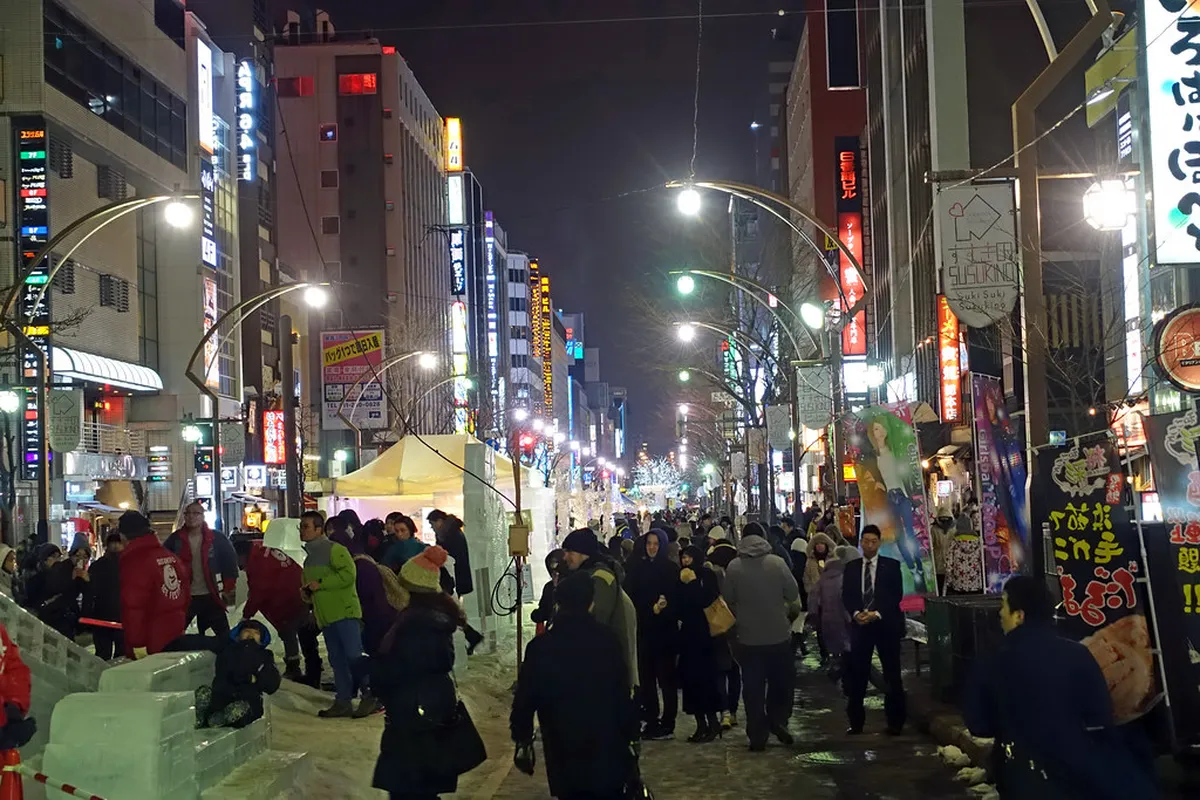
Nighttime brings a completely different atmosphere to the massive snow sculptures located in Odori Park. Colorful lights illuminate the art pieces from sunset until around ten o'clock in the evening. The projection mapping shows turn the white snow into a vibrant and moving digital canvas. These shows usually repeat every few minutes so everyone has a chance to see them.
Visiting at night is perfect for travelers who enjoy a festive and lively city atmosphere. You can grab a hot drink from a nearby stall while watching the bright lights. The Susukino site looks especially beautiful at night because the ice sculptures glow with neon. Check out the Susukino ice world to see how lighting transforms the frozen statues.
Be prepared for much colder temperatures once the sun goes down behind the city buildings. Wear thermal layers and use hand heaters to stay warm while walking through the exhibits. The crowds are thickest during the evening, so plan for a slower pace of movement. Despite the people, the magical lighting makes the nighttime visit a truly essential experience.
Choosing the Right Day of the Week
Weekdays are generally much less crowded than weekends during the busy one-week festival period. Monday through Thursday typically see fewer local visitors from other parts of the Hokkaido region. You will find shorter lines for food stalls and much more room to walk around. Crowds tend to peak on Friday evening as the weekend festivities begin for many people.
If you must visit on a weekend, try to go during the late lunch hour. Many people are inside restaurants eating, which leaves the outdoor sculpture paths slightly less busy. You should also consider avoiding crowds by visiting the smaller festival sites first. This strategy helps you maximize your time and see more of the incredible winter art.
Check the local calendar for any Japanese public holidays that might fall during the festival week. Holidays will significantly increase the number of families and domestic tourists visiting the snow sculptures. Planning your trip for the middle of the week is the most efficient strategy. You will spend less time waiting and more time enjoying the beautiful frozen masterpieces.
Opening Day vs Closing Day Experience
Seeing the sculptures on the first day ensures they are in their most perfect form. The edges are sharp and the snow is clean before the city dust settles down. However, opening day is often the most crowded time for the entire winter festival event. You might wait longer to get close to the most famous and popular giant sculptures.
The final day of the festival offers a unique but slightly different viewing experience for guests. Some sculptures might show signs of melting if the February weather is unusually warm that year. However, the atmosphere remains very exciting as the festival comes to a grand and loud end. Be aware that workers begin dismantling the snow statues immediately after the festival officially closes.
Visiting during the middle of the festival week offers a good balance of quality and crowds. The sculptures still look great and the initial opening day rush has usually died down. You can enjoy the art without the extreme pressure of the first or last day. This timing allows for a more relaxed exploration of the various festival sites.
Weather and Temperature Considerations
Temperatures in Sapporo during February often stay well below the freezing point for the entire day. The best time to see the sculptures is when the sky is clear and blue. High winds can make the outdoor park feel much colder than the actual thermometer reading suggests. Dress in many warm layers and use heat packs to stay comfortable while you explore.
Snowfall can add a magical touch to the festival but it can also hide fine details. If a heavy storm occurs, wait for the maintenance crews to clear the fresh snow away. You can find more information about the city on the official Sapporo Travel website. Knowing how to get to Odori Park will help you find shelter quickly.
Be careful when walking on the paths as the snow can become very slippery and icy. Wear boots with good grip or buy detachable ice spikes from a local convenience store. Many underground walkways provide a warm path between the major festival sites and train stations. Use these tunnels to escape the wind and warm up your frozen toes and fingers.
Frequently Asked Questions
What is the best time of day to visit the sculptures?
The best time to visit is either early morning or late at night for fewer people. Morning offers the best light for photography while evening features beautiful and colorful light displays. Try to arrive before 9:00 AM to beat the large groups of tour bus visitors.
Is there an admission fee for the Sapporo Snow Festival?
Most of the main festival sites in the city center are completely free for all visitors. You can walk through Odori Park and Susukino without buying any tickets or making reservations. Only certain activities at the Tsudome site might require a small fee for children's snow slides.
How many days do I need to see the snow sculptures?
Most travelers find that two full days are enough to see all the major festival sites. You can spend one day at Odori Park and another exploring Susukino and the Tsudome area. This allows you to see the sculptures during both the daylight hours and the evening light.
Choosing the right time to visit ensures you enjoy the best of the 2026 Sapporo Snow Festival. Aim for early mornings or midweek dates to avoid the largest crowds and get great photos. Remember to dress warmly and stay hydrated while you explore the incredible frozen art pieces. Start planning your winter adventure to Japan today for a truly magical and cold experience.