
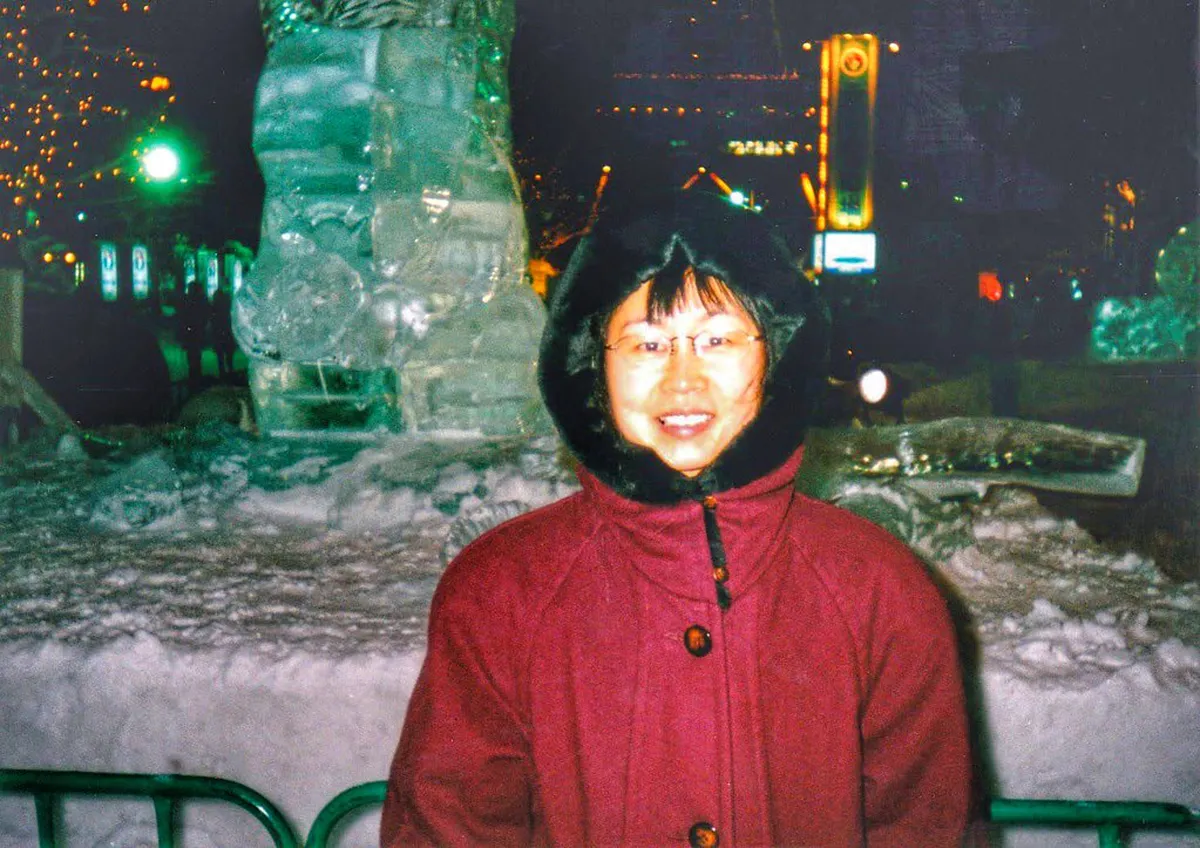
Night Photography Tips for Sapporo Snow Sculptures
Capturing the Sapporo Snow Festival at night is a magical experience for any photographer. The illuminated sculptures glow against the dark Hokkaido sky. Learning how to photograph Sapporo snow sculptures night requires specific skills and preparation. Use this guide to master your 2026 winter photography.
Camera Settings for Night Snow Photography
For official information, visit Sapporo travel info.
For current hours, prices, and announcements, start with Sapporo travel info.
Snow reflects a lot of light even at night. This can confuse your camera's internal light meter. You should use manual mode for the best results. This gives you full control over every setting.Start with a wide aperture like f/2.8 or f/4. This allows more light to reach your sensor. It also helps create a soft background for smaller sculptures. Larger displays might need f/8 for sharpness.
Keep your ISO as low as possible to avoid noise. An ISO between 400 and 800 usually works well. Modern cameras handle higher ISO settings much better now. Test your camera limits before the festival begins.
Adjust your shutter speed based on your tripod use. A slow shutter speed captures the glowing light perfectly. Use a remote shutter to prevent camera shake. This ensures your 2026 festival photos look professional.
Essential Gear for Sapporo Winter Nights
Cold weather drains camera batteries very quickly in Sapporo. Always carry at least two spare batteries in your pockets. Keep them close to your body for warmth. This trick extends their life during long shoots.
A sturdy tripod is vital for sharp night images. The ground in Odori Park can be very slippery. Choose a tripod with spiked feet for better grip. You can find more tips in our best camera gear guide.
Bring a microfiber cloth to wipe your lens often. Snowflakes will land on your glass and cause blur. Condensation is also a major issue when moving indoors. Keep your gear in a sealed bag when entering cafes.
Wear touch-screen compatible gloves to stay warm while shooting. Frostbite is a real risk during February in Hokkaido. Layers are the key to staying comfortable all night. Proper footwear will prevent you from slipping on ice.
Mastering Light and White Balance
Artificial lights at the festival have different color temperatures. Some lights are warm yellow while others are cool blue. Auto white balance often makes the snow look muddy. Set your white balance to "Tungsten" or "Fluorescent" instead.
Snow often appears grey in night photos without adjustment. Increase your exposure compensation by +0.7 or +1.0. This makes the white snow look bright and clean. Check your histogram to avoid blowing out highlights.
Always shoot in RAW format for maximum editing flexibility. This allows you to fix white balance issues later. You can also recover details from dark shadows easily. Digital editing is essential for professional winter photography.
Wait for the "blue hour" just after the sun sets. The sky turns a deep indigo color during this time. This creates a beautiful contrast with the glowing sculptures. It is the best time for Instagrammable winter spots.
Best Locations for Night Sculptures
Odori Park is the heart of the main festival. This area features the largest and most detailed snow carvings. The lights turn on at sunset and stay until 10 PM. Plan to spend several hours exploring every block.
The Susukino site features incredible ice sculptures instead of snow. These clear carvings look amazing with neon city lights behind them. Check out our Susukino photography guide for more details. The ice glows beautifully under the street lamps.
Visit the Sapporo Snow Festival 2026 for the best views. The Tsudome site is better for daytime action and slides. Stick to Odori and Susukino for the best night shots. These locations offer the most dramatic lighting displays.
Find a high vantage point for a unique perspective. The Sapporo TV Tower offers a great bird's-eye view. You can see the entire line of glowing sculptures. Use a polarizing filter to reduce glare from windows.
Frequently Asked Questions
What is the best time to photograph snow sculptures at night?
The best time is during the blue hour, right after sunset. This usually occurs between 5:00 PM and 6:00 PM in February. The sky provides a deep blue backdrop that contrasts perfectly with the warm festival lights. Most lights turn off at 10:00 PM sharp.
Do I need a flash for Sapporo snow sculpture photography?
No, you should avoid using a direct flash. A flash will flatten the details of the carvings and create harsh shadows. It can also reflect off falling snow, creating distracting white spots. Rely on the festival's own artistic lighting and a tripod for the best results.
How do I prevent my camera lens from fogging up in Sapporo?
Place your camera in a plastic zip-lock bag before going inside. Let the equipment warm up slowly to room temperature while sealed. This prevents moisture from condensing on the glass and internal electronics. Check the Sapporo Travel site for indoor warming station locations.
Mastering how to photograph Sapporo snow sculptures night takes patience and practice. Focus on stable shots and correct exposure to capture the 2026 magic. Remember to keep your batteries warm and stay hydrated. Enjoy the stunning views of Hokkaido this winter season.