
Complete Jozankei Onsen Yukitouro 2026 Guide
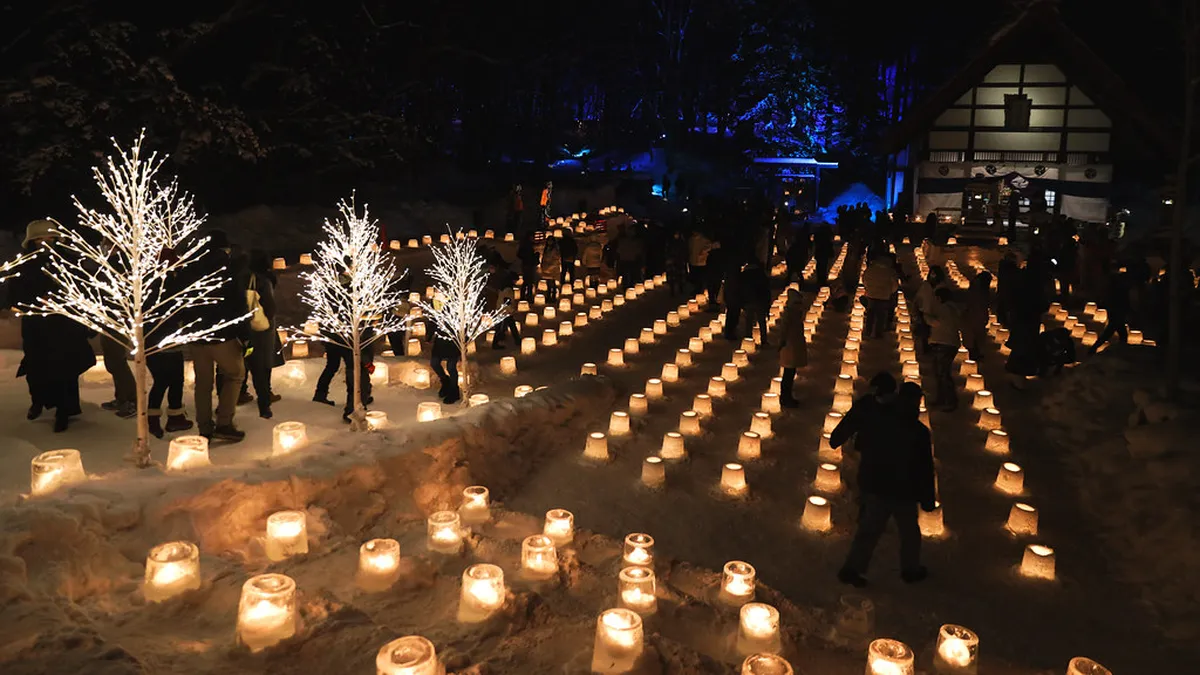
The Jozankei Onsen Yukitouro is a stunning winter festival held annually in the mountains near Sapporo city center. Visitors can walk through a forest of shimmering snow lanterns that light up the dark winter nights beautifully. This event offers a quiet and spiritual alternative to the larger and busier festivals found in the city. Our comprehensive Jozankei Onsen Yukitouro 2026 Guide will help you plan a winter trip to this magical destination.
What is the Jozankei Onsen Yukitouro?
For official information, visit Sapporo travel info.
For official information, visit Sapporo travel info.
The Jozankei Onsen Yukitouro is also known as the Snow Lantern Festival and takes place at Jozankei Shrine. Local residents and hotel staff work together to handcraft over two thousand individual lanterns made entirely of snow. These lanterns are illuminated with real candles to create a warm and flickering glow against the white landscape. You can learn more about the area from the Sapporo Travel website before you arrive.The festival began as a way to bring light and warmth to the cold Hokkaido winter for local visitors. It has since grown into one of the most popular evening events for tourists staying in the Jozankei area. The main highlight is the Prayer Forest where you can light a candle and make a special wish. This area is surrounded by tall trees and glowing snow domes that create a truly ethereal winter atmosphere.
Walking through the shrine grounds feels like stepping into a traditional Japanese fairy tale during the peak of winter. The quiet rustle of the wind and the soft light of the candles provide a very peaceful experience. Unlike the neon lights of the city, this festival focuses on natural beauty and the spirit of the community. It is a perfect spot for couples and families looking for a romantic and calm evening activity.
Jozankei Onsen Yukitouro 2026 Dates
The Jozankei Onsen Yukitouro is typically scheduled for late January through early February to coincide with the coldest weather. For the 2026 season, the festival is expected to run for about one week during the peak winter. You should check the entry and ticket info to confirm the exact dates before you travel. Most visitors find that arriving just before sunset allows them to see the candles being lit by hand.
The event usually opens to the public at 18:00 and continues until 21:00 each night during the festival week. There is often a small cooperation fee or donation requested at the entrance to help maintain the shrine grounds. This money supports the local community in creating the thousands of snow lanterns that make the event so special. You can find official announcements on the City of Sapporo website as the season approaches.
Weather conditions in Hokkaido can be unpredictable, so the festival may close during heavy blizzards or very high winds. It is wise to have a flexible schedule when planning your visit to the hot spring town in 2026. The lanterns are most beautiful after a fresh snowfall when the shrine looks like a pristine white wonderland. Always check the local weather forecast to ensure the candles will be lit on your planned visiting night.
How to Get to Jozankei from Sapporo
Reaching the festival from central Sapporo is quite easy thanks to the reliable bus network serving the mountain area. The most convenient option is the Kappa Liner bus which requires a reservation and departs from Sapporo Station. This direct service takes approximately sixty minutes to reach the heart of the Jozankei Onsen hot spring district. You can read our detailed guide on how to get to Jozankei for more specific route information.
If you prefer not to reserve a seat, you can take a local bus from the Sapporo Station terminal. These buses run more frequently but will stop at many locations along the way, increasing the total travel time. The local bus is a great choice for those who want more flexibility with their departure and return times. Make sure to check the last bus schedule so you do not miss your ride back to the city.
Driving to Jozankei is another option, but winter roads in Hokkaido can be very icy and dangerous for tourists. If you choose to drive, ensure your rental car has high-quality winter tires and you are comfortable with snow. Parking near the Jozankei Shrine can be limited during the festival, so arriving early is highly recommended for drivers. Using public transportation is generally the most stress-free way to enjoy the beautiful snow lantern displays at night.
Photography Tips for Snow Lanterns
Capturing the beauty of thousands of flickering candles requires some preparation and the right equipment for low-light photography. A sturdy tripod is essential because you will need to use slow shutter speeds to capture the warm glow. The shrine grounds can be crowded, so find a spot that does not block the main walking paths for others. Check out our lantern photography tips for more expert advice on taking great winter photos.
Cold weather can drain your camera batteries much faster than usual, so always carry at least one spare battery. Keep your spare batteries in an inner pocket close to your body to keep them warm and fully charged. When moving from the cold outdoors to a warm indoor space, be careful of condensation forming on your lens. Placing your camera in a sealed plastic bag before entering a building can help prevent moisture from damaging it.
Try to use a wide-angle lens to capture the vast scale of the thousands of lanterns across the shrine. Shooting during the blue hour, just after sunset, will provide a beautiful deep blue sky to contrast the candles. This creates a much more dramatic and professional look than shooting in complete darkness later in the evening hours. Experiment with different angles to find the best way to showcase the intricate details of the hand-carved snow domes.
What to Wear for the Winter Festival
The temperatures in Jozankei can drop well below freezing during the evening hours of the snow lantern festival in February. Wearing multiple layers of clothing is the best way to stay warm while walking through the outdoor shrine grounds. Start with a high-quality thermal base layer to trap heat against your skin and keep you comfortable all night. Our guide on what to wear in Jozankei offers a complete packing list for visitors.
A thick, windproof down jacket is necessary to protect you from the biting mountain air that flows through the valley. Do not forget to wear a warm hat that covers your ears and a thick scarf for your neck. Waterproof gloves are also essential, especially if you plan to touch the snow or participate in the candle lighting. Keeping your extremities warm will allow you to stay outside much longer and enjoy the festival without feeling cold.
Footwear is perhaps the most important part of your outfit because the paths at the shrine are often very icy. Wear boots with excellent grip or purchase inexpensive ice cleats to attach to the bottom of your regular winter shoes. These cleats are available at most convenience stores in Sapporo and will prevent you from slipping on the frozen ground. Keeping your feet dry and warm will ensure that your visit to the festival remains a pleasant experience.
Best Places to Stay in Jozankei Onsen
Staying overnight in a traditional ryokan is the best way to fully experience the magic of the Jozankei winter season. Many hotels are located within walking distance of the Jozankei Shrine where the lantern festival takes place each night. After walking through the cold snow, you can return to your hotel and soak in a natural hot spring. You should consider booking Jozankei hotels early because they fill up quickly during the festival.
Many of the local ryokans offer beautiful views of the snowy river valley and provide delicious traditional Japanese meals. Some hotels even offer private shuttle buses to the shrine for their guests during the week of the festival. Staying in the town allows you to avoid the long bus ride back to Sapporo late at night. You can enjoy a relaxing evening and wake up to a beautiful winter landscape right outside your window.
If you are visiting for the lantern festival, you might also want to see the famous Sapporo Snow Festival nearby. Combining these two events makes for an incredible winter itinerary that showcases the best of Hokkaido's unique culture and scenery. Make sure to check if your chosen hotel offers any special packages that include festival entry or transportation. A night in Jozankei is a highlight for any traveler visiting northern Japan during the winter months.
Frequently Asked Questions
When is the Jozankei Onsen Yukitouro held in 2026?
The festival is expected to take place in late January or early February 2026. You can find the specific 2026 festival dates online as the event approaches. Most activities begin around 18:00 each evening.
Is there an admission fee for the snow lantern festival?
Entry to the Jozankei Shrine grounds is usually free, but a small donation of 500 yen is often requested. This money helps the local community maintain the lanterns and the shrine. It is a small price for such a beautiful experience.
Can I visit Jozankei as a day trip from Sapporo?
Yes, Jozankei is a popular day trip destination located only one hour away from the center of Sapporo city. Many visitors take the bus in the afternoon, enjoy the lanterns, and return to the city by night. However, staying overnight is highly recommended.
Are there food stalls at the Jozankei Snow Lantern Festival?
While the festival itself is quiet and spiritual, many nearby cafes and hotels offer warm drinks and local snacks. You can find hot amazake or cocoa to keep you warm while you explore the shrine. The town also has several excellent ramen shops.
The Jozankei Onsen Yukitouro is a must-see event for anyone visiting Hokkaido during the magical winter season of 2026. This guide provides all the essential details to help you enjoy the glowing snow lanterns and peaceful shrine atmosphere. For more information on visiting Japan, please check the Japan National Tourism Organization website. Plan your trip today and prepare to be amazed by the beauty of Jozankei.