
Best Asakusa Winter Festival Events for Travelers 2026
Asakusa transforms into a stunning cultural wonderland during the cold winter months of 2026. You can experience many unique Asakusa winter festival events for travelers 2026 this season. These lively celebrations offer a deep look into the rich Japanese heritage and local customs. Join the local residents as they welcome the new year with these ancient spiritual traditions.
Traditional New Year Rituals at Senso-ji Temple
For practical details and last-minute changes, use Tokyo Metropolitan Government.
For the most up-to-date details, check Tokyo Metro before you go.
New Year celebrations are usually the main highlight of the winter season in Asakusa. Millions of people visit the historic Senso-ji Temple during the first week of January 2026. This sacred tradition is widely known as Hatsumode within the local Japanese culture. Visitors pray for good luck and health throughout the upcoming year of 2026.The atmosphere at the temple is electric and deeply spiritual for all guests. You can smell burning incense throughout the large and historic temple grounds. Many visitors wear beautiful traditional kimonos for this very special cultural occasion. It is one of the most popular traditional winter festivals in Tokyo for tourists.
Expect very large crowds during the first three days of the new year. Entry to the temple grounds is always free for all local and international visitors. Most food stalls along Nakamise-dori stay open very late into the night. Try some hot amazake to stay warm while you wait in the temple lines.
Asakusa Winter Festival Events for Travelers 2026: Setsubun
February brings the exciting Setsubun festival to the historic and vibrant Asakusa district. This event marks the beginning of spring according to the old lunar calendar system in Japan. It is a key part of Asakusa winter festival events for travelers 2026. The main goal of this ancient ritual is to drive away all evil spirits and demons.
Priests and famous celebrities throw roasted soybeans at the gathered crowds from the temple stage. People shout "Demons out, luck in" during this lively and energetic ceremony. You can check the Senso-ji Temple bean-throwing festival schedule before you visit. Participation is very fun and easy for most international tourists to enjoy.
The main ceremony usually takes place on February 3rd each year in Tokyo. It features traditional dance performances and many vibrant costumes for visitors to see. Arrive at least one hour early to secure a good spot near the stage. This event offers great photo opportunities for your 2026 travel blog or social media.
The Hagoita-ichi Fair Winter Market Experience
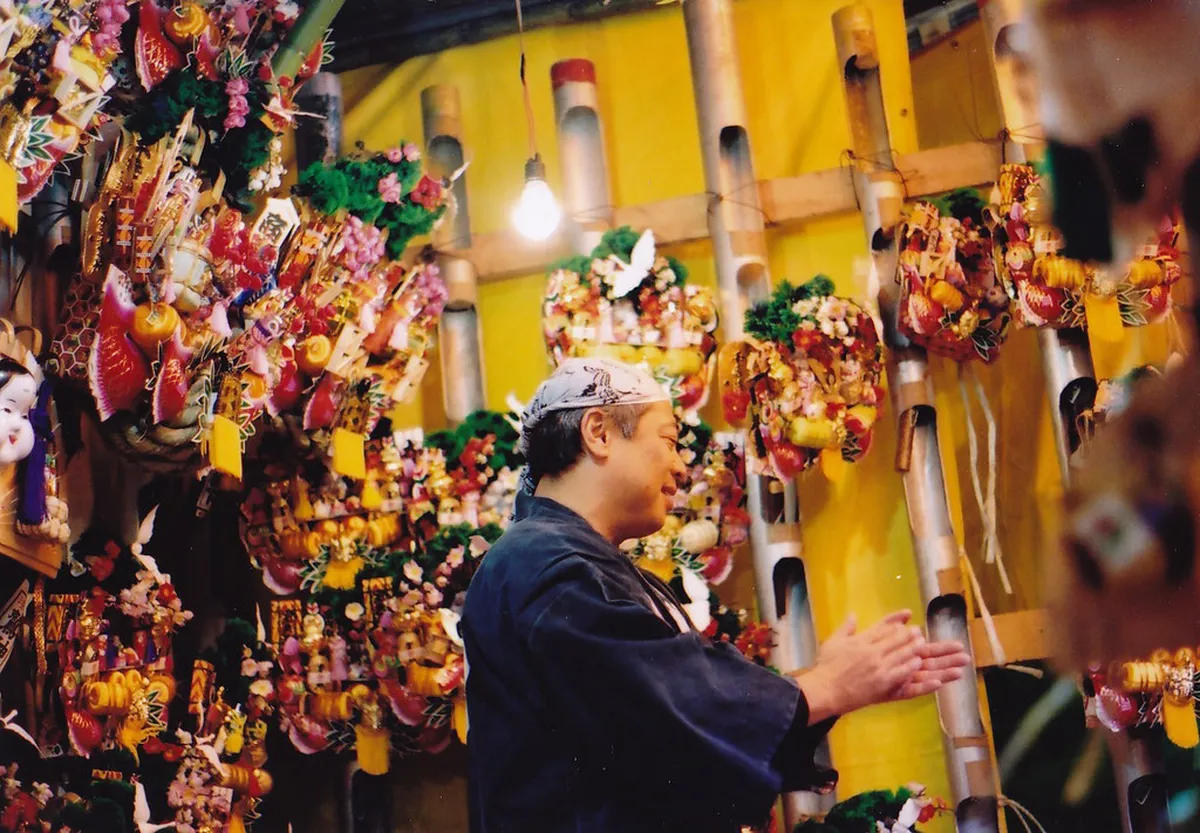
The Hagoita-ichi Fair is a historic market held annually during the month of December. Vendors sell decorative wooden paddles known as hagoita to the many passing visitors. These colorful paddles are thought to ward off bad luck for young children. You will see beautiful designs featuring famous kabuki actors and modern celebrities.
The market fills the area around Senso-ji Temple with bright colors and energy. It is a great place to buy unique souvenirs for your friends and family. Prices for the decorative paddles range from 2,000 to 50,000 yen each. Most vendors accept cash only for these beautiful and handmade wooden items.
Walking through the market is a sensory delight for all international travelers. You can hear the rhythmic clapping of vendors celebrating a successful sale. This market is a major part of the broader Tokyo winter events 2026 schedule. It usually runs from December 17th to December 19th near the temple.
Practical Tips for Attending Asakusa Festivals
Winter in Tokyo can be quite chilly and windy for many international visitors. Wear several thermal layers to stay comfortable during these outdoor festival events. Many festivals require standing outside in the cold for very long periods. Use portable heat packs called kairo to keep your hands and body warm.
Public transportation is definitely the best way to reach the Asakusa district safely. The Tokyo Metro Ginza Line stops directly at the busy Asakusa Station. You can learn how to participate in Tokyo winter rituals before your visit. Trains run frequently but they can become very crowded during the peak times.
Most temple events are free to attend for the general public in Tokyo. However, some special performances might require a small donation or a ticket. Carry plenty of Japanese yen for food stalls and traditional temple charms. Credit cards are not always accepted at the small street food vendors.
Seasonal Food and Drinks in Asakusa
Winter festivals offer a wide variety of delicious and seasonal Japanese street foods. Try some freshly grilled dango or sweet potato snacks from the Nakamise-dori stalls. These warm treats are perfect for the cold winter afternoons spent in Tokyo. Prices for these snacks usually range from 200 to 600 yen per item.
Hot sake and sweet amazake are popular drinks during these winter celebrations. Amazake is a sweet and non-alcoholic rice drink served steaming hot to guests. It provides a quick energy boost during the long and busy festival days. You can find these drinks at many stalls near the Senso-ji Temple.
Many local restaurants serve hearty winter dishes like the traditional nabe stew. Look for small family eateries hidden in the quiet side streets of Asakusa. These cozy spots offer a warm escape from the biting winter wind outside. It is a great way to experience local hospitality and authentic seasonal flavors.
Frequently Asked Questions
What is the best Asakusa winter festival for travelers?
Hatsumode at Senso-ji Temple is the most significant winter event in Asakusa. It happens during the first few days of January each year. You can experience deep spiritual traditions alongside thousands of local residents. The atmosphere is festive with many food stalls and traditional charms for sale.
Is it very cold in Asakusa during the winter festivals?
Yes, winter temperatures in Asakusa typically range from 2°C to 10°C in January. The wind coming off the Sumida River can make it feel much colder. You should wear thermal clothing and use heat packs to stay warm while standing outside.
Do travelers need tickets for Asakusa winter events?
Most major winter events in Asakusa are free for the public to attend. You do not need tickets for Hatsumode or the Setsubun bean-throwing ceremony. However, you should bring plenty of cash for food, drinks, and traditional temple charms.
Visiting Asakusa during the winter months offers a truly unforgettable cultural experience for travelers. You can witness ancient rituals and enjoy seasonal treats in this historic district. Plan your trip early to make the most of these festive celebrations in 2026. Explore more of the city by checking out other seasonal events in Tokyo.