
Your Guide to Tokyo Plum Blossom Festivals 2026
Tokyo transforms into a fragrant pink paradise during the late winter months. This guide to Tokyo plum blossom festivals 2026 helps you plan the perfect visit. These delicate flowers signal the coming of spring across the country of Japan. You will find many traditional winter festivals in Tokyo during this time.
Best Timing for Plum Blossoms in 2026
For official information, visit Tokyo travel info.
For current hours, prices, and announcements, start with Tokyo travel info.
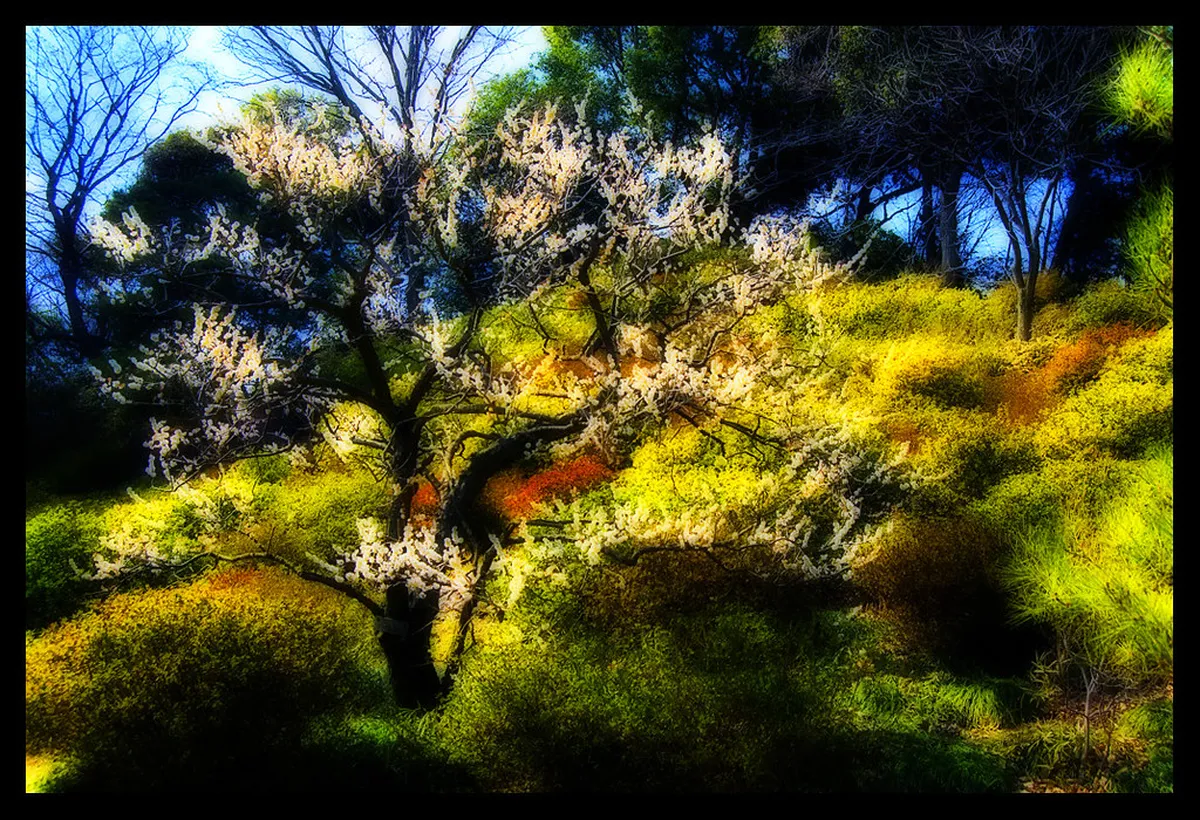
Plum blossoms, or ume, usually bloom from early February through mid-March in Tokyo. The peak season for 2026 depends heavily on the winter temperatures in January. Most festivals run for about one month to cover the full blooming period. You should check local weather forecasts before you arrive in the city.Early February often sees the first white and pink buds opening on the trees. By late February, the sweet fragrance fills the air in local shrines and parks. These blossoms are much more resilient to cold weather than the famous cherry blossoms. They offer a quiet beauty before the main spring tourist crowds arrive.
Visiting in 2026 allows you to experience these events without the heavy April rush. The weather remains quite crisp but often very sunny during the plum season. You can enjoy the blossoms under clear blue winter skies for great photos. Wear a warm jacket as temperatures usually stay around 10 degrees Celsius.
Top Locations for Plum Blossom Festivals
The Setagaya Ume Matsuri is a must-visit event located in the beautiful Hanegi Park. This park features over 600 plum trees in various shades of vibrant pink. Visitors can enjoy traditional snacks and live performances on the weekends in February. Entry to the park is free for all travelers visiting in 2026.
Yushima Tenjin Shrine hosts another famous plum festival in the heart of central Tokyo. This shrine is dedicated to the ancient god of learning and academic success. Students often visit during the festival season to pray for their upcoming exams. The atmosphere is very lively with many food stalls selling delicious local treats.
Kameido Tenjin Shrine offers a unique view of plum blossoms near the Tokyo Skytree. The red bridges and quiet ponds create a stunning backdrop for your travel photos. You can see many varieties of ume trees around the historic temple grounds. It is a perfect spot for photography enthusiasts in late February 2026.
Koishikawa Korakuen is one of the oldest and most beautiful gardens in Tokyo. It features a dedicated plum grove that looks spectacular against the traditional stone bridges. You can learn how to participate in Tokyo winter rituals while visiting these gardens. The garden charges a small entry fee of 300 yen for adults.
Cultural Significance of the Ume Flower
Plum blossom festivals are among the most popular Tokyo winter events 2026 for local residents. You will see many people enjoying outdoor tea ceremonies under the blooming trees. Many shrines host traditional music and dance performances on special festival days. These events celebrate the historical importance of the ume flower in Japan.
Food stalls are a major highlight of every Japanese festival experience in Tokyo. Look for ume-flavored treats like pickled plums or sweet pink plum jellies. You can also find hot snacks like yakisoba and savory takoyaki balls. These warm foods are perfect for a chilly February afternoon in the park.
The scent of plum blossoms is much stronger than that of cherry blossoms. Take a moment to enjoy the sweet and spicy fragrance in the air. Many people prefer this quiet season over the hectic and crowded sakura season. It feels more intimate and connected to the ancient history of Japan.
Travel Tips for Your Tokyo Winter Trip
Most festival locations are easily accessible via the extensive Tokyo subway system. Use a Suica or Pasmo card for seamless travel between the different shrines. Check the Haneda Airport website for the best transport links upon your arrival. Many gardens are just a short walk from the major train stations.
Festivals are busiest on weekends and national holidays during the month of February. Visit on a weekday morning for a much more peaceful and quiet experience. Most shrines and parks open early around 9:00 AM for the public. This is the best time for taking photos without large crowds.
Entry fees for most plum festivals are either free or very low cost. Expect to pay around 300 to 500 yen for the private gardens. Shrines usually offer free entry to their main plum groves and grounds. Bring some cash for the food stalls and small handmade souvenirs.
You may also want to check the Tokyo winter illumination guide 2026 for evening plans. Many areas near the festivals have stunning light displays after the sun sets. Combining blossoms and lights makes for a truly memorable day in Tokyo. Always carry a portable battery to keep your phone charged for navigation.
Frequently Asked Questions
When is the best time for plum blossoms in 2026?
The best time is usually from mid-February to early March. Peak bloom varies each year based on local temperatures. Check the Japan National Tourism Organization website for updated blooming reports. Early March often provides the most reliable full bloom views.
Which Tokyo plum festival is the biggest?
The Setagaya Ume Matsuri at Hanegi Park is widely considered the largest. It features over 600 trees and many weekend events. You will find the most food stalls and cultural performances here. It is easily reached via the Odakyu Line.
Is there an entry fee for Tokyo plum festivals?
Most shrine-based festivals are free to enter for all visitors. Public parks like Hanegi Park also offer free admission to the groves. Some historical gardens like Koishikawa Korakuen charge a small fee. This fee is usually between 300 and 500 yen.
Our guide to Tokyo plum blossom festivals 2026 highlights the best winter spots. These festivals offer a unique look at Japanese culture and natural beauty. Plan your visit for late February to see the most vibrant colors. Enjoy the sweet scents and traditional snacks of the Tokyo winter season.