
Best Traditional Japanese New Year Food in Tokyo for 2026
Traditional Japanese New Year food in Tokyo offers a unique culinary experience for every traveler visiting during the winter. This period is the most important holiday in Japan. Families gather to share special meals that symbolize health and prosperity. You can join these celebrations by exploring the city's vibrant food scene during Tokyo New Year's Eve 2026 festivities.
The Symbolic Meaning of Osechi Ryori
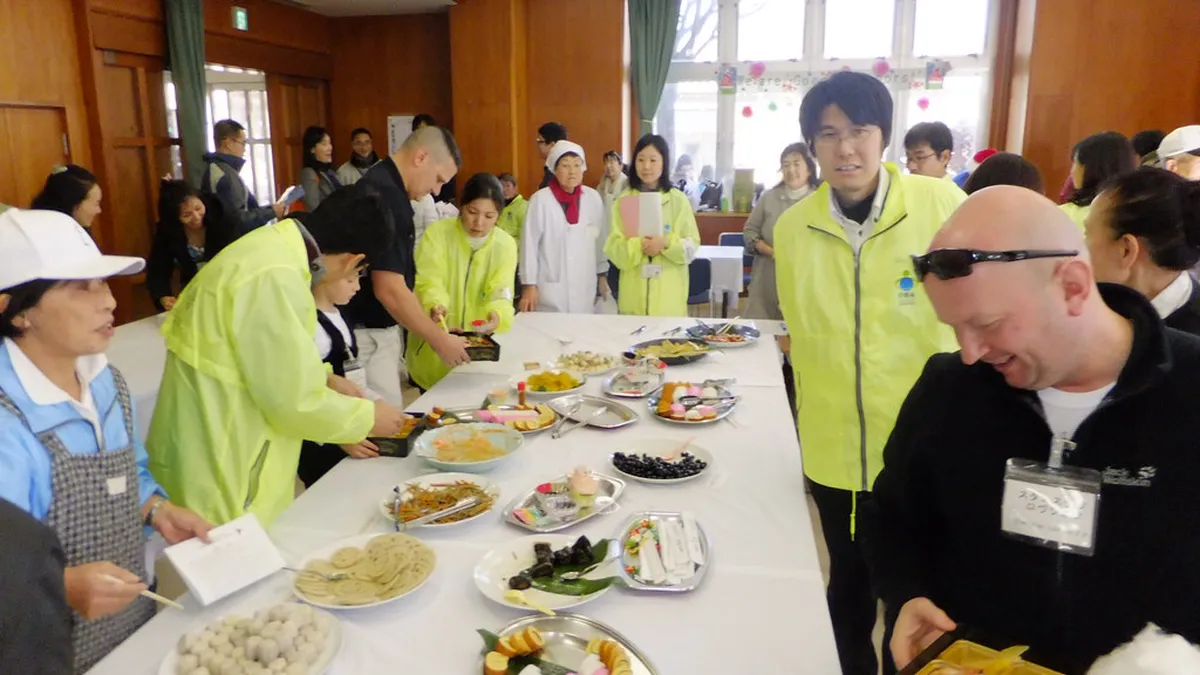
Osechi Ryori is the most important traditional Japanese New Year food in Tokyo. It consists of many small dishes served in beautiful lacquered boxes. These boxes are called jubako and look like jewelry cases. Each ingredient inside carries a special meaning for the coming year. Families usually eat this meal during the first three days of January.
You will find items like shrimp for longevity and herring roe for fertility. Sweet black beans represent a wish for hard work and health in 2026. Candied chestnuts symbolize wealth because of their golden color. Most of these dishes are prepared to last several days without refrigeration. This tradition allowed mothers to rest from cooking during the holiday.
Purchasing a high-quality Osechi set is a popular choice for many Tokyo residents. You can find these sets at famous department stores like Isetan Shinjuku or Mitsukoshi Ginza. Prices typically range from 15,000 to 50,000 Yen for a full set. It is wise to pre-order these boxes by mid-December to ensure availability.
If you prefer a smaller taste, many supermarkets sell individual Osechi components. This allows you to create a custom plate at a lower cost. Look for colorful kamaboko fish cakes and sweet rolled omelets. These items are easy to find and very delicious. You can learn more about seasonal dishes through the Japan National Tourism Organization website.
Toshikoshi Soba: The New Year's Eve Essential
Eating Toshikoshi Soba is a vital tradition on the night of December 31st. These buckwheat noodles are long and thin to symbolize a long life. The noodles are easy to bite through compared to other types. This represents a clean break from the hardships of the past year. Most people eat them just before midnight to welcome 2026.
Tokyo has many historic shops where you can enjoy this traditional meal. Kanda Yabu Soba is a famous location with a long history. Expect long lines at popular restaurants on New Year's Eve. You should plan to arrive early or book a table in advance. Check our guide on where to eat Toshikoshi Soba in Tokyo for top recommendations.
The dishes are often served with simple toppings like tempura or green onions. A hot soy-based broth is most common during the cold winter months. Some people prefer cold noodles with a dipping sauce even in December. A standard bowl usually costs between 1,000 and 2,500 Yen. It is a comforting and affordable way to celebrate the holiday.
- Tempura Shrimp: Adds a touch of luxury and represents longevity.
- Herring: A popular topping that symbolizes a wish for many children.
- Fish Cakes: Slices of pink and white kamaboko add festive colors.
Zoni Soup and Mochi Traditions in Tokyo
Zoni is a traditional soup enjoyed on New Year's morning across Japan. In Tokyo, the broth is typically clear and seasoned with soy sauce. This style is known as Kanto-style Zoni. The soup always contains mochi, which are chewy rice cakes. Other ingredients include chicken, leafy greens, and decorative fish cakes.
Mochi plays a central role in all New Year food traditions. You will see Kagami Mochi decorations in many shops and homes. These consist of two stacked rice cakes topped with a small orange. They are meant to bring good luck and mirror-like clarity to the soul. People break and eat the decorative mochi later in January.
Be careful when eating mochi because it is very sticky and thick. It is best to cut the rice cakes into small pieces. This is especially important for children and elderly travelers. Many local cafes in Tokyo serve special New Year sets featuring Zoni soup. It provides a warm and heartening start to the first day of the year.
Where to Buy New Year Food in Tokyo
The best place to find traditional Japanese New Year food in Tokyo is a depachika. These are massive food halls located in the basements of department stores. Places like Daimaru near Tokyo Station offer an incredible variety of festive items. You can see beautiful displays of Osechi and seasonal sweets here. These markets become very crowded in the days leading up to January 1st.
For a more local experience, visit the best winter food markets in Tokyo like Ameya Yokocho. This market street in Ueno is famous for selling fresh seafood and holiday supplies. You can find high-quality salmon roe and dried fish at great prices. The atmosphere is energetic and full of holiday spirit. It is a great place to take photos and sample snacks.
Even convenience stores like 7-Eleven and Lawson sell New Year specialties. They offer small Osechi plates and individual mochi packs for solo travelers. These are convenient if you arrive late in the city. Many restaurants also stay open to serve special holiday menus. Be sure to check operating hours as some smaller shops close for the holiday.
Planning your meals ahead of time will make your trip more enjoyable. Most major hotels in Tokyo serve a traditional Zoni breakfast for their guests. This is an easy way to try the food without searching for a restaurant. Enjoy the unique flavors of the season as you explore the city.
Frequently Asked Questions
What is the most popular traditional Japanese New Year food in Tokyo?
Osechi Ryori is the most popular food. It consists of various symbolic dishes served in lacquered boxes. Each item represents a wish for health, wealth, or happiness in the new year. You can find these at department stores throughout the city.
Are restaurants open in Tokyo during the New Year holiday?
Many small restaurants close from January 1st to January 3rd. However, large department stores and hotel restaurants usually remain open. It is best to check our Tokyo winter events 2026 guide for specific holiday hours and closures.
How much does a typical New Year meal cost in Tokyo?
A bowl of Toshikoshi Soba costs about 1,000 to 2,500 Yen. A full Osechi Ryori box for a family can cost between 15,000 and 50,000 Yen. Individual components at supermarkets are much more affordable for budget travelers.
Exploring traditional Japanese New Year food in Tokyo is a highlight of any winter trip. From the symbolic Osechi boxes to the comforting Toshikoshi Soba, these flavors define the holiday. Make sure to visit a department store food hall to see the beautiful displays. Start planning your 2026 culinary adventure today for an unforgettable experience.