
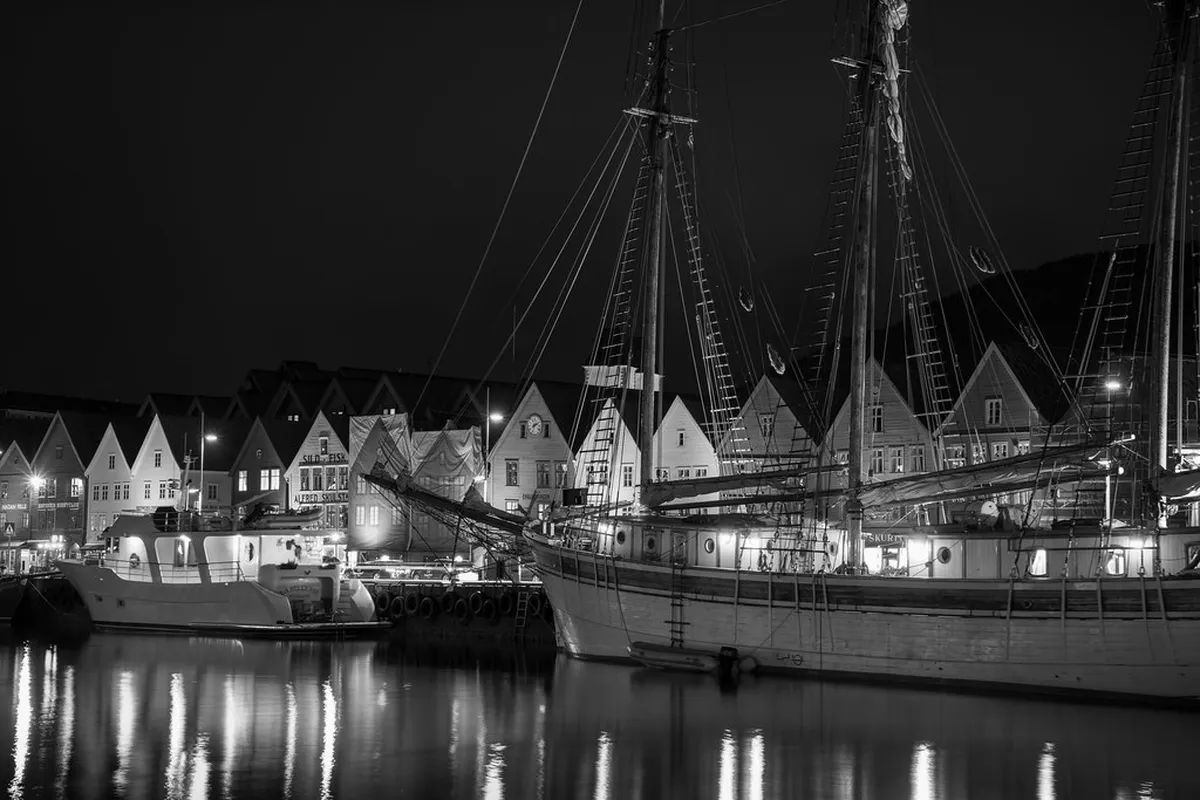
Expert Photography Tips for Winter Fjords in Bergen
Winter in Bergen offers a magical landscape for photographers. The snow-capped mountains and dark waters create high contrast scenes. You need specific skills to capture this beauty effectively. This guide provides expert photography tips for winter fjords in Bergen in 2026.
Essential Gear for Winter Fjords in Bergen
Winter photography in Norway requires specialized equipment to succeed. Cold temperatures drain camera batteries much faster than usual. Always carry at least three spare batteries in your pocket. Keep them close to your body to maintain their charge.
A sturdy tripod is vital for sharp winter images. The winter sun stays very low on the horizon in 2026. This creates beautiful but dim lighting conditions throughout the day. A tripod allows for longer shutter speeds without any blur.
Pack a wide-angle lens to capture the vast fjord landscapes. These lenses emphasize the height of the surrounding mountains. You should also bring a telephoto lens for details. This is helpful for wildlife spotting trip opportunities during your journey.
Weather sealing is another important feature for your camera body. Bergen often experiences mixed precipitation during the winter months. A rain cover can protect your gear from snow or mist. Always carry a microfiber cloth to wipe your lens dry.
Mastering Lighting and Exposure in Norway
The light in Bergen during winter is soft and ethereal. Days are quite short with the sun setting by mid-afternoon. This provides a very long and beautiful golden hour. Plan your main shoots between 10:00 AM and 2:00 PM.
Snow can easily trick your camera's internal light meter. It often makes the scene look darker than it truly is. Your photos might end up looking grey and dull. Increase your exposure compensation by one or two full stops.
The "blue hour" is a highlight for many photographers in Norway. This occurs just before sunrise and right after sunset. The sky turns a deep blue that contrasts with city lights. Use a slow shutter speed to capture this magical glow.
Watch for the sun hitting the peaks of the mountains. This creates a stunning spotlight effect against dark fjord waters. Use a polarizing filter to manage reflections on the water surface. This helps saturate the colors in your final image.
Composition for Bergen Winter Fjord Cruise 2026
Composition is key when shooting from a moving boat. The Bergen Winter Fjord Cruise 2026 offers many unique angles. Use the boat's railing or bow to add a sense of scale. This helps viewers understand the massive size of the fjords.
Look for leading lines along the rugged fjord shorelines. Frozen docks or snow-covered rocks can guide the eye inward. These elements add depth and interest to your landscape shots. Try to position these lines in the lower third of your frame.
Reflections are common in the calm waters of the inner fjords. Early morning cruises often provide the stillest water for mirror effects. Capture the symmetry of the mountains reflecting on the surface. Keep your camera level to ensure a straight horizon line.
Include local architecture to tell a better story of the region. Small red cabins look striking against the white snow and blue water. These pops of color add a focal point to vast scenes. They provide a sense of place and culture to your work.
Protecting Your Camera from Arctic Cold
Condensation is the biggest enemy of cameras in cold climates. Moving from the cold deck to a warm cabin causes moisture. This moisture can form inside your lens or camera body. Place your gear in a sealed plastic bag before going inside.
Let your equipment warm up slowly while still inside the bag. This prevents water droplets from forming on sensitive electronic parts. It usually takes about an hour to reach room temperature. Patience is essential for protecting your expensive photography investment.
Operating camera dials can be difficult with heavy winter mittens. Wear thin touch-screen gloves under your larger winter gear. This allows you to make quick adjustments without exposing skin. Learn what to wear in Bergen to stay comfortable while shooting.
Consider using a scenic boat trips strategy to find the best views. Stay on the deck as long as possible to avoid temperature swings. Use a neck strap to prevent dropping gear into the water. Secure all your equipment before the boat starts moving fast.
Frequently Asked Questions
Can I use a tripod on a Bergen fjord cruise boat?
Using a tripod on a moving boat is often difficult due to vibrations. It is better to use a fast shutter speed for sharp images. Increase your ISO setting if the light is too low. This ensures your photos remain clear while the boat is in motion.
What is the best time of day for winter photography in Bergen?
The best time is between 11:00 AM and 2:00 PM in 2026. This window provides the most natural light for your fjord shots. The blue hour after sunset is also excellent for cityscapes. Check local weather apps provided by Visit Bergen for daily updates.
How do I keep my camera lens from fogging up in the cold?
Keep your camera at a consistent temperature as much as possible. Use a lens hood to block falling snow or sea spray. If fogging occurs, do not wipe it with your breath. Use a dry microfiber cloth and let the lens adjust to the air naturally.
Capturing the winter fjords in Bergen requires preparation and patience. Follow these photography tips for winter fjords in Bergen to get great results. The 2026 season promises incredible views for every traveler. Grab your camera and start planning your Norwegian adventure today!