
Expert Photography Tips for Tromsø Whale Watching Tours
The winter whale watching season 2026 in Tromsø offers amazing photo opportunities. You will need specific photography tips for Tromsø whale watching tours to succeed. The Arctic light creates a unique challenge for every photographer. Planning ahead ensures you capture the perfect shot of a humpback whale.
Essential Gear for Arctic Whale Photography
For current hours, prices, and announcements, start with Tromsø travel info.
For current hours, prices, and announcements, start with Tromsø travel info.
A long telephoto lens is your most important tool. Aim for a focal length of at least 300mm. This allows you to capture distant whales without disturbing them. Many best whale watching tours in Tromsø 2026 provide great vantage points.Cold weather drains camera batteries very quickly. Always carry at least two spare batteries in your pocket. Keep them close to your body for warmth. Warm batteries last much longer than cold ones in the Arctic.
Weather-sealed camera bodies are highly recommended for boat trips. Salt spray and snow can easily damage sensitive electronics. Use a high-quality UV filter to protect your front lens element. This makes it easier to wipe away sea spray quickly.
Fast memory cards are essential for capturing action sequences. Look for cards with high write speeds to avoid buffering. You do not want to miss a breach because your camera is busy. Bring more storage than you think you will need.
Camera Settings for Fast Marine Life
Whales move quickly and unpredictably in the water. Set your shutter speed to at least 1/1000th of a second. This freezes the motion of splashing water and moving fins. High speeds prevent blurry images on a rocking boat.
Use a wide aperture like f/4 or f/5.6. This lets in more light during the dark winter months. It also creates a pleasing blur in the background. Your subject will stand out clearly against the Arctic fjords.
Set your camera to continuous autofocus mode. This allows the lens to track the whale as it moves. Most modern cameras call this AI Servo or AF-C. It is the best way to keep moving animals in sharp focus.
Enable high-speed burst mode on your camera. This takes several photos per second when you hold the shutter. It increases your chances of catching the perfect moment. You can check the Visit Tromsø website for local lighting conditions.
Composition Tips for Stunning Whale Photos
Avoid placing the whale in the exact center of the frame. Use the rule of thirds for a more dynamic look. Give the whale space to "swim into" within the photo. This creates a sense of movement and direction.
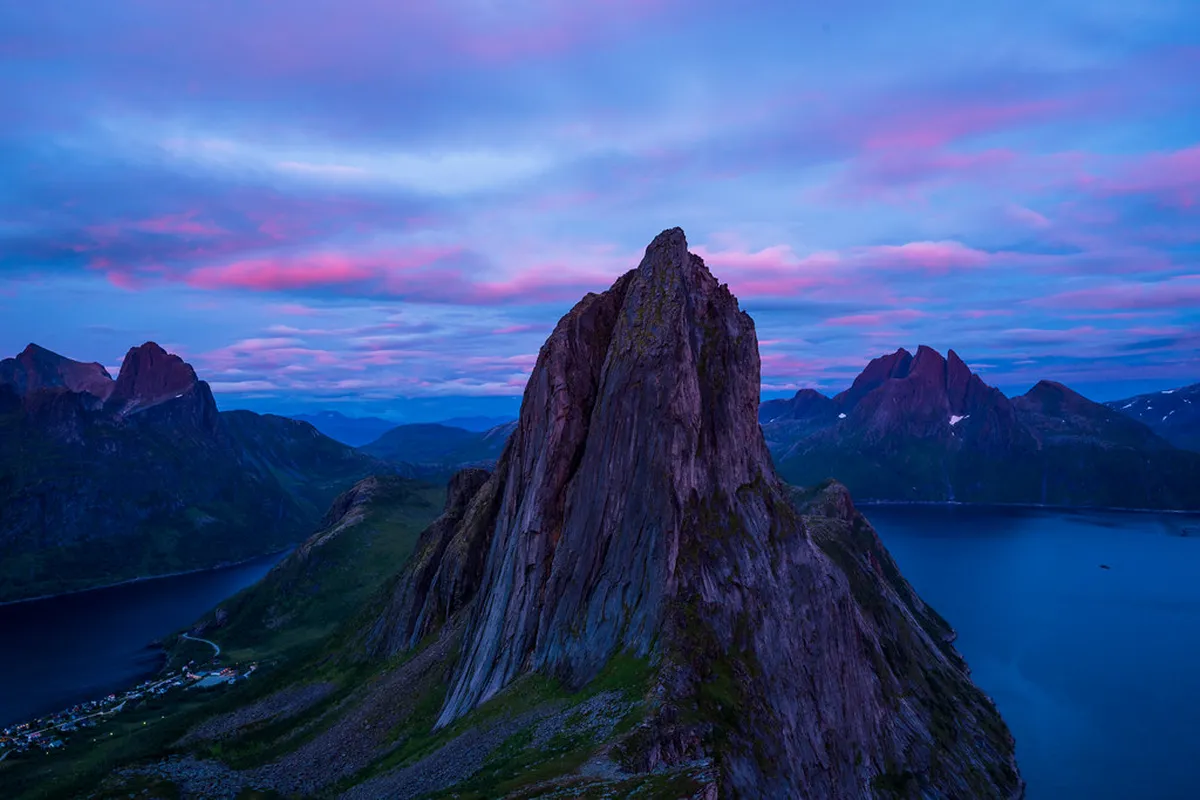
Include the surrounding mountains and fjords in your shots. This provides scale and shows the beauty of Norway. Photos with local context are often more memorable than close-ups. Check what to wear for whale watching to stay comfortable while composing.
Watch for signs of whale behavior before they surface. Look for bait balls of fish or diving birds. Position yourself early to capture the whale's tail or "fluke." These shots are iconic symbols of the Tromsø winter season.
Keep your horizon line straight even if the boat is rocking. Many modern cameras have a built-in electronic level. A tilted horizon can distract the viewer from the main subject. You can also fix this during post-processing if needed.
Protecting Equipment in Freezing Conditions
Condensation is a major threat to your camera gear. When you move from the cold deck to a warm cabin, fog forms. Put your camera in a sealed plastic bag before going inside. This allows the temperature to change slowly without moisture.
Use a dedicated rain cover for your camera and lens. This protects against snow, sleet, and salt water spray. Even a simple plastic bag can work in an emergency. Keeping your gear dry is vital for a successful trip.
Handling a camera with thick gloves can be very difficult. Look for photography gloves with fold-back finger caps. These allow you to adjust settings without exposing your whole hand. Staying warm helps you stay focused on your photography.
Wipe your lens frequently with a clean microfiber cloth. Salt spray leaves spots that can ruin your image quality. Carry several dry cloths in a waterproof bag. You can find more travel advice on the Visit Norway official portal.
Frequently Asked Questions
What is the best lens for whale watching in Tromsø?
A 70-200mm or 100-400mm zoom lens is ideal for whale watching. These lenses offer the flexibility to capture both close encounters and distant whales. Ensure your lens has image stabilization to counter the boat's motion. This helps you get sharper shots in low light.
Should I use a tripod on a whale watching boat?
No, a tripod is usually not helpful on a moving boat. The vibrations from the engine and waves will transfer to your camera. It is better to shoot handheld or use a monopod. For more details on boat types, see our guide comparing RIB boats vs catamarans.
How do I deal with the low light in Tromsø?
Increase your ISO setting to maintain a fast shutter speed. Modern cameras can handle high ISO levels with very little noise. Aim for ISO 800 to 3200 depending on the time of day. This ensures your photos remain bright during the Polar Night.
Capturing whales in Tromsø requires the right gear and settings. Focus on fast shutter speeds and protecting your equipment from the cold. These photography tips for Tromsø whale watching tours will help you succeed in 2026. Start planning your Arctic adventure today for the best photographic results.