
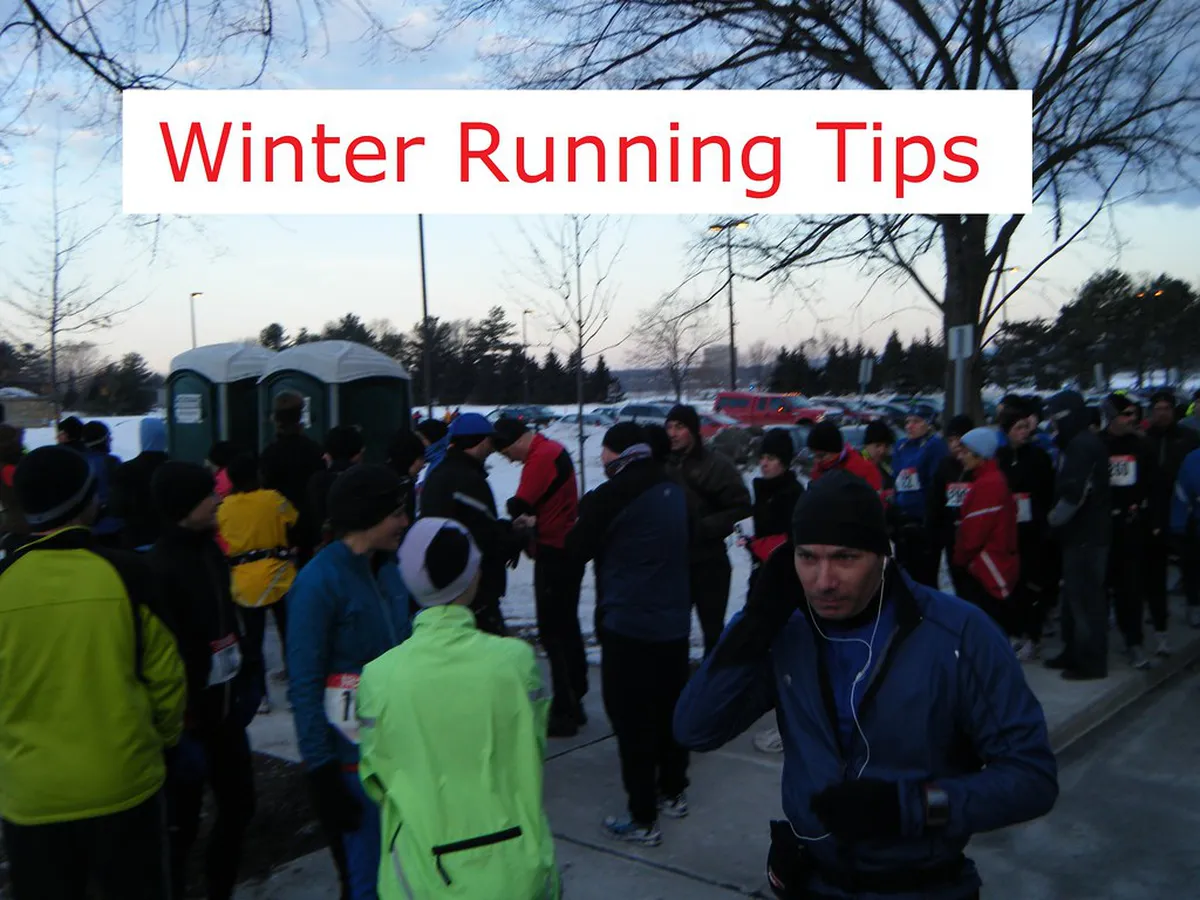
Winter Running Tips for Tromsø Marathon Participants in 2026
Running in the Arctic requires careful preparation and the right mindset for extreme weather. The Polar Night Half Marathon 2026 offers a magical but challenging experience. These winter running tips for Tromsø marathon participants will help you cross the finish line safely. You must respect the cold temperatures and icy roads of Northern Norway during your journey.
Mastering Arctic Layers for the Race
Choosing the right clothing is the most important part of your race day strategy. You should always start with a high-quality merino wool base layer against your skin. Wool keeps you warm even if you sweat during the high-intensity parts of the run. Never wear cotton because it absorbs moisture and will make you freeze very quickly.
The middle layer should provide insulation while allowing your body to breathe during the race. A light fleece or a secondary wool shirt works perfectly for most Arctic runners. You need to trap heat without becoming too heavy or restricted in your movement. Layering allows you to adjust your temperature as your heart rate changes throughout the event.
Your outer layer must be windproof and water-resistant to protect against the harsh coastal elements. The wind in Tromsø can feel much colder than the actual thermometer reading suggests. A technical running jacket will block the breeze while letting internal moisture escape. Check the best running gear list for specific jacket recommendations that suit the Norwegian climate.
Do not forget to protect your head, neck, and hands from the biting frost. A thin wool buff can be pulled over your face to warm the air you breathe. Wear mittens instead of gloves if your hands get cold easily during long outdoor activities. Proper accessories ensure that you stay comfortable from the start line to the final sprint.
Footwear and Traction for Icy Roads
The roads in Tromsø are often covered in a thick layer of hard-packed ice. Regular running shoes will not provide enough grip to keep you upright on this surface. Many local athletes prefer shoes with small metal spikes built directly into the rubber soles. These spikes bite into the ice and give you confidence with every single step.
If you prefer your standard shoes, you can buy removable traction devices like Yaktrax. Make sure these grips fit tightly so they do not slip off during the race. Test them on a training run before you arrive in Norway for the big event. You can find more details on the polar night half marathon 2026 route map page regarding surface conditions.
Waterproof shoes are another great investment for running in the snowy streets of the city. Look for footwear with a Gore-Tex lining to keep your feet dry and warm. Wet feet lead to blisters and can cause your body temperature to drop rapidly. Keeping your toes dry is a top priority for any successful Arctic marathon finisher.
Hydration and Nutrition in Cold Weather
Hydration is often overlooked when running in temperatures well below the freezing point. You might not feel thirsty, but your body still loses water through respiration and sweat. Cold air is very dry and can dehydrate you faster than you might expect. Plan to drink small amounts of fluid at every aid station along the course.
If you carry your own water, use an insulated bottle to prevent the liquid from freezing. Sip frequently to keep the water moving and prevent ice crystals from forming in the nozzle. You can also carry your bottle inside your jacket to use your body heat. Staying hydrated helps your muscles function correctly and prevents early fatigue during the race.
Energy gels can become very hard and difficult to swallow when they get too cold. Keep your nutrition tucked into an inner pocket close to your warm skin. This ensures the gels stay liquid and are easy to consume while you are running. Proper fueling provides the glucose your brain and muscles need to endure the Arctic night.
Navigating the Polar Night Course
The Polar Night Half Marathon 2026 takes place during a period of constant darkness. While the city streets have lights, some sections of the path may be quite dim. Wearing a lightweight headlamp is a smart choice for better visibility on the road. It helps you spot uneven ice patches or puddles before you step on them.
The race course often follows the beautiful coastline where the wind can be quite strong. Be prepared for sudden gusts that might slow your pace or change your body temperature. Running in a group can help block the wind and keep your spirits high. Use the local scenery and city lights to stay motivated during the darker stretches.
According to Visit Tromsø, the atmosphere during the race is incredibly supportive and festive. Spectators often gather at key points to cheer for runners despite the freezing winter weather. Their energy can provide a significant mental boost when you feel tired or cold. Focus on the flickering torches and the goal of reaching the city center.
Recovery Tips for After the Finish Line
Your recovery starts the very moment you cross the finish line and receive your medal. You must change out of your damp running clothes into dry, warm layers immediately. Even a small amount of sweat will cool down quickly once you stop moving. Have a friend wait for you with a heavy parka and a warm hat.
Tromsø offers several excellent ways to soothe your tired muscles after a long winter run. You should consider booking one of the post-marathon recovery spas in the city. A traditional Norwegian sauna will help increase circulation and relax your sore legs. The heat is a perfect contrast to the icy conditions you just conquered.
Eat a warm meal rich in protein and carbohydrates as soon as possible after finishing. Local Norwegian stews are a great choice for replenishing your energy and warming your core. Drink plenty of water and warm herbal tea to help your body recover from dehydration. Taking care of your body ensures you can enjoy the rest of your trip.
Frequently Asked Questions
What is the average temperature for the Polar Night Half Marathon?
Temperatures usually range between -5°C and -15°C (23°F to 5°F) during the January race. However, coastal winds can make the air feel much colder. Participants should prepare for freezing conditions by wearing multiple wool layers and windproof gear.
Do I really need spikes for running in Tromsø?
Yes, spikes are highly recommended for safety on the icy Tromsø streets. The course often features hard-packed snow and slick ice patches that regular rubber cannot grip. Using spikes prevents slips and allows you to maintain a steady running pace.
Is it completely dark during the race in January?
Tromsø experiences the Polar Night in January, meaning the sun does not rise. The race takes place in twilight or total darkness, supplemented by streetlights. Many runners wear headlamps and reflective gear to ensure they can see the path clearly.
Preparing for an Arctic race requires the right gear and a smart strategy for the cold. These winter running tips for Tromsø marathon participants provide a solid foundation for your success. Remember to layer correctly, stay hydrated, and use spikes for the best traction. We hope you enjoy the unique magic of the Polar Night Half Marathon 2026. For more travel advice, visit Visit Norway to plan your full itinerary.