
Exploring the History of Basel Carnival Traditions Explained Simply
Basler Fasnacht is a unique event in Switzerland. You will find the history of Basel Carnival traditions explained simply in this guide. It is the largest carnival in the country. The festival starts exactly at 4:00 AM on Monday.
The History of Basel Carnival Traditions Explained Simply
The carnival has roots dating back to the Middle Ages. Historians believe it started as a pre-Lenten feast. People enjoyed rich foods before the fasting period began. This tradition evolved over many centuries in Basel.
A major earthquake struck Basel in the year 1356. Many early records of the carnival were lost then. However, the spirit of the festival remained very strong. Locals continued to celebrate despite many historical challenges.
The Reformation changed how people celebrated in the 16th century. Many other Swiss cities stopped their carnival traditions entirely. Basel kept its festival but changed some religious aspects. This resilience makes the event very special today.
Check out our Basler Fasnacht 2026 Carnival Guide for more details. You can learn about the modern festival structure there. It helps you plan your visit to Switzerland.
Understanding the Morgenstreich Tradition
Morgenstreich is the most famous part of the event. It happens on the Monday after Ash Wednesday. All city lights go out at exactly 4:00 AM. Thousands of people gather in the dark streets.
You can learn what is Morgenstreich in Basel Fasnacht carnival by attending. Drummers and pipers begin to play their music together. They wear small lanterns on their heads to see. The sound is haunting and beautiful in the dark.
The tradition of using lanterns began in the 1800s. Originally, people carried torches through the narrow city streets. Authorities banned torches because they were a fire hazard. Large, painted lanterns replaced them for safety reasons.
This event marks the official start of the Three Best Days. Locals call this period "Die drey scheenschte Dääg" in German. It is a time of pure joy for residents. Visitors should arrive early to find a good spot.
The Role of Cliques and Costumes
Groups called "cliques" organize most of the carnival activities. Each group chooses a specific theme for the year. They spend months preparing their costumes and large lanterns. These themes often mock local or world politics.
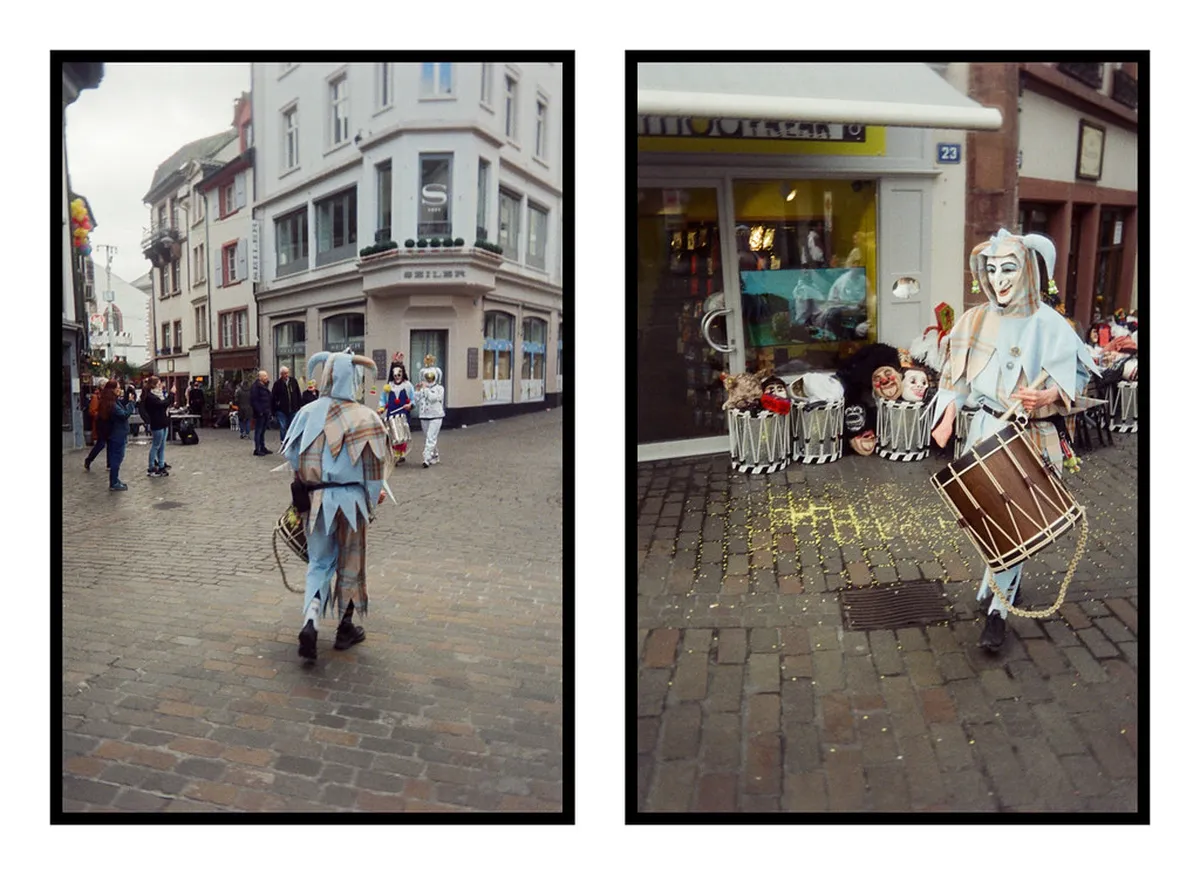
Participants must wear full masks and costumes at all times. This tradition ensures total anonymity for every active member. It allows people to express their opinions very freely. You will see many creative and colorful designs.
The costumes often represent traditional characters like the Waggis. Waggis characters wear large wooden shoes and big noses. They often throw confetti or hand out oranges. Children love interacting with these funny and loud characters.
Respecting the performers is a vital part of the festival. Read the Basler Fasnacht etiquette for international tourists guide before going. It explains how to behave during the parades. This helps keep the traditions alive and respectful.
Guggenmusik and the Cortège Parades
Guggenmusik bands play loud and joyful brass music. They perform on Tuesday evening during the carnival week. These bands wear elaborate costumes while they play instruments. The music is often intentionally slightly out of tune.
The Cortège is the main parade held on Monday and Wednesday. Cliques march through the city with their large floats. They distribute poems written in the local Basel dialect. Many people also receive sweets or flowers from participants.
You should check the Basler Fasnacht 2026 schedule and event dates soon. The parades usually start in the early afternoon. They follow specific routes through the historic Old Town. Thousands of spectators line the streets to watch.
Prices for food and drinks can vary during the festival. A simple sausage might cost about 8 to 10 Swiss Francs. Most events are free to watch from the sidewalk. Buying a carnival badge helps support the local organizers.
Why Basel Carnival is Unique in 2026
UNESCO added Basler Fasnacht to its cultural heritage list. This honor recognizes the deep history of these traditions. The festival remains a core part of Basel's identity. It blends ancient history with modern social commentary.
In 2026, the festival will continue to evolve with technology. Some lanterns now use eco-friendly LED lights for displays. However, the traditional fife and drum music remains unchanged. This balance of old and new is very impressive.
Traveling to Basel is easy with the SBB rail network. Trains run frequently from Zurich and Geneva to Basel. The central station is a short walk from the action. Plan your transport well in advance for 2026.
You will find many hotels near the city center. Prices often increase during the three days of carnival. Booking a room six months early is a smart idea. This ensures you stay close to the morning festivities.
Frequently Asked Questions
What is the history of Basel Carnival traditions explained simply?
The history of Basel Carnival traditions explained simply starts with medieval pre-Lenten feasts. It survived the 1356 earthquake and the Reformation. Today, it combines ancient music with modern social satire. It is a unique cultural event that defines the city of Basel every year.
When does the Basel Carnival take place in 2026?
The Basel Carnival 2026 begins on Monday, February 23. It starts at exactly 4:00 AM with the Morgenstreich. The festival lasts for 72 hours until Thursday morning. You should plan your travel around these specific dates to see all the major events.
Do I need a ticket to attend Basler Fasnacht?
You do not need a ticket to watch the carnival parades. The streets are open to everyone for free. However, you should buy a carnival badge called a Blaggedde. This badge costs between 10 and 100 Francs and supports the local cliques and traditions.
What should I wear to the carnival as a visitor?
Visitors should wear warm, casual clothes for the cold February weather. Do not wear a costume or face paint as a spectator. Only active participants in cliques wear costumes. Wearing a carnival badge on your coat is the best way to show your support.
Basler Fasnacht is a world-class event full of deep history and joy. Understanding the history of Basel Carnival traditions explained simply helps you enjoy it more. Plan your 2026 trip early to witness this incredible Swiss tradition. We hope to see you in the streets of Basel soon!