
Pro Night Photography Tips for Lausanne Lumières Festival 2026
Lausanne transforms into a glowing outdoor gallery during the famous Lausanne Lumières light festival 2026 in Switzerland. Professional photographers often visit the city to capture these unique and colorful light displays during the winter. Using the right night photography tips for Lausanne Lumières festival will help you take world-class images.
Essential Gear for Lausanne Light Photography
You will need a sturdy tripod to keep your camera still for long exposure shots in the dark. Lausanne has many steep hills and uneven cobblestone streets that require a very stable camera base. A lightweight carbon fiber tripod is ideal for walking between the different installations throughout the city center.
Wide-angle lenses help you capture the full scale of the large light installations against the historic buildings. A 24mm or 35mm prime lens allows more light to enter the sensor for cleaner night images. You should also bring a lens cleaning cloth for the cold and damp night air in December.
Winter in Switzerland is very cold and low temperatures will drain your camera batteries much faster than usual. Keep your spare batteries inside your coat pocket to keep them warm and fully charged for the night. You may also want to check the Lausanne winter events 2026 schedule for other nearby photo opportunities.
A remote shutter release or a camera timer will prevent blur caused by touching the shutter button manually. This small tool is essential when you are using shutter speeds longer than one second for crisp shots. Many modern cameras also allow you to use a smartphone app as a wireless remote shutter trigger.
Best Camera Settings for Night Art Displays
Set your camera to Manual mode to have full control over the exposure and the final image look. Start with a low ISO between 100 and 400 to avoid digital noise in the dark shadows. Low ISO settings ensure that the bright neon lights do not lose their vibrant and rich colors.
Use a narrow aperture like f/8 or f/11 to keep the entire light installation in sharp focus. Narrow apertures also create a beautiful starburst effect on small points of light within the various art displays. You can experiment with wider apertures like f/2.8 if you want to blur the city background elements.
Shutter speed is the most important setting for capturing the glowing art against the dark Swiss night sky. Try shutter speeds between 2 and 10 seconds depending on the brightness of the specific light installation. You can find the best spots using a map of Lausanne Lumières festival installations 2026 before you start your shoot.
Shoot in RAW format to give yourself the most flexibility during the photo editing process after the festival. RAW files preserve all the details in the bright highlights and the deep shadows of the night scenes. This format makes it much easier to correct the white balance if the street lights look too yellow.
Top Locations for Shooting Lausanne Lumières
The Lausanne Cathedral is a perfect spot for capturing the festival from a high and dramatic vantage point. The ancient stone walls of the cathedral often serve as a canvas for large and colorful light projections. You can capture the church tower against the dark sky for a classic and powerful Swiss composition.
Visit the Flon district to find modern and interactive light installations that look great in contemporary photography styles. This area has clean lines and modern architecture that complements the high-tech nature of the 2026 light art. The vibrant colors in Flon offer a great contrast to the older parts of the city center.
Place de la Palud features historic buildings and a famous clock that provide a charming backdrop for festival photos. This square is often crowded so you will need patience to get a shot without too many people. The reflections of the lights on the old windows create a magical and festive atmosphere for your portfolio.
Grand-Pont offers a wide view of the city and several installations at once from an elevated bridge position. This is an excellent location for capturing light trails from the local buses moving through the festival area. Check the Lausanne Tourisme website for any temporary road closures that might affect your planned shooting spots.
Mastering Composition for Outdoor Light Art
Use the leading lines of the narrow Lausanne streets to draw the viewer's eye toward the light art. The steep hills provide unique angles that you will not find in flatter cities like Geneva or Zurich. Position your camera low to the ground to make the light installations look more grand and impressive.
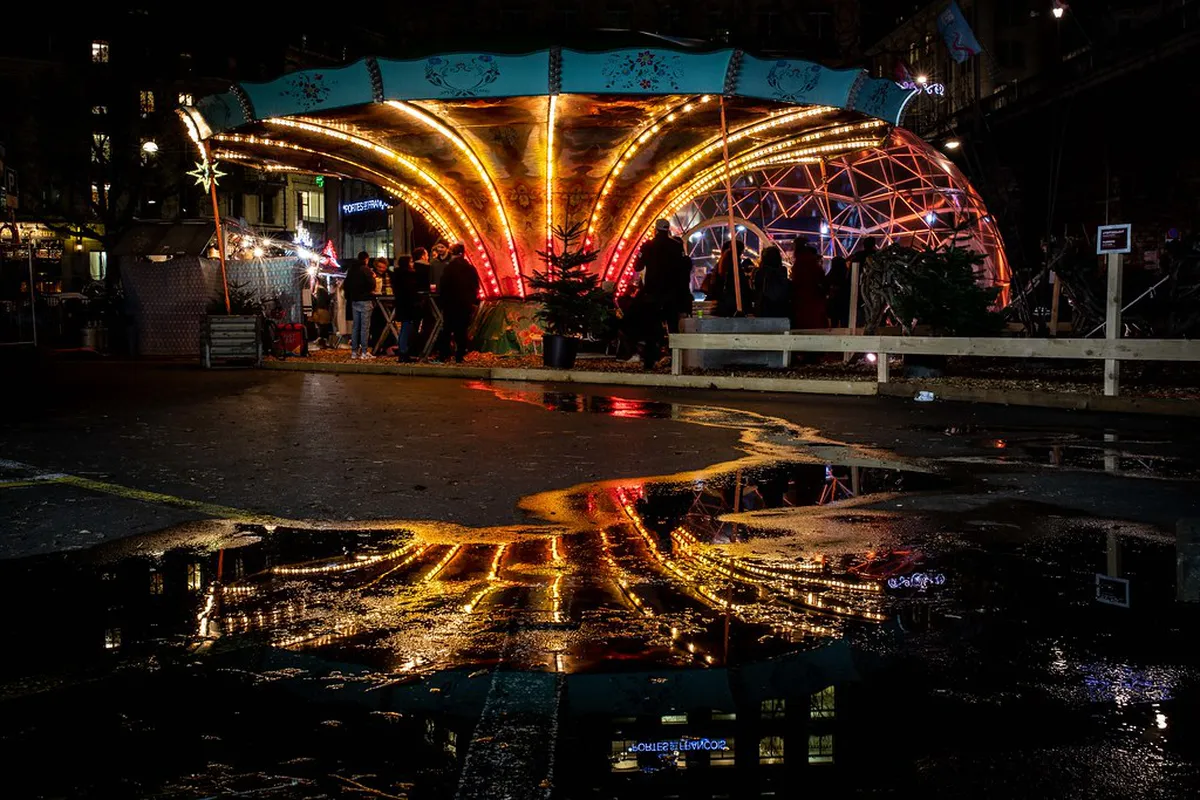
Rainy nights in Lausanne provide amazing opportunities for capturing colorful reflections on the wet and shiny pavement surfaces. These reflections double the amount of light in your frame and add a professional look to your images. Look for puddles near the installations to create perfectly symmetrical shots of the glowing festival artworks.
Including people in your photos can help show the massive scale of the larger 2026 light installations. Use a slightly faster shutter speed if you want the people to remain sharp and recognizable in the frame. Alternatively, a very long exposure will turn moving crowds into ghostly blurs that emphasize the still art.
Frame the modern light displays using the arches or doorways of the historic buildings found throughout the old town. This technique creates a sense of depth and tells a story about the mix of old and new. Always look behind you as the shadows cast by the lights can be just as interesting as the art.
Timing Your Shoot for the Best Light Conditions
The blue hour occurs just after the sun sets and offers the most beautiful sky for night photography. During this time the sky is a deep blue rather than pitch black which adds more color. This natural blue light balances perfectly with the warm glow of the Lausanne Lumières festival installations.
Plan your main photography walk on a weekday to avoid the large crowds that visit on Friday and Saturday. Fewer people mean you can set up your tripod in prime locations without blocking the busy pedestrian paths. Review the best time to see Lausanne light festival to optimize your specific 2026 travel itinerary.
Cold and clear nights are better for photography than cloudy nights because the air is much more transparent. Clouds can reflect the orange glow of city street lights which might distract from the actual light art. However, a light mist can add a moody and mysterious feeling to your shots of the cathedral.
Most installations are lit from 6:30 PM until midnight during the festival dates in late November and December. Arrive early to scout your favorite locations while there is still a little bit of natural light available. This allows you to find the best compositions before it becomes too dark to see your surroundings.
Frequently Asked Questions
Is a tripod allowed at the Lausanne Lumières festival?
Yes, you can use a tripod at the Lausanne Lumières festival because the event takes place in public spaces. Be careful not to block narrow sidewalks or busy entrances to shops and restaurants. Using a tripod is the best way to ensure your night photos remain sharp and clear.
What is the best lens for Lausanne light photography?
A wide-angle lens with a fast aperture like f/2.8 is the best choice for capturing the light festival. This allows you to fit large installations into the frame while keeping the images bright. Prime lenses often provide sharper results than zoom lenses for detailed night art photography.
Can I take good festival photos with a smartphone?
Modern smartphones with a dedicated Night Mode can take very impressive photos of the Lausanne Lumières festival art. Use a small mobile tripod or lean your phone against a wall to keep it steady during the shot. Avoid using the digital zoom as it will make your night photos look grainy.
Capturing the Lausanne Lumières festival 2026 requires the right gear and a bit of creative patience in the cold. Focus on using a tripod and manual settings to get the highest quality images of the light art. Visit the most iconic spots like the Cathedral and Flon for the best variety in your portfolio. Start planning your winter photography trip to Lausanne today to see these amazing displays in person.