
Master Photography Tips for Lake Geneva in Winter
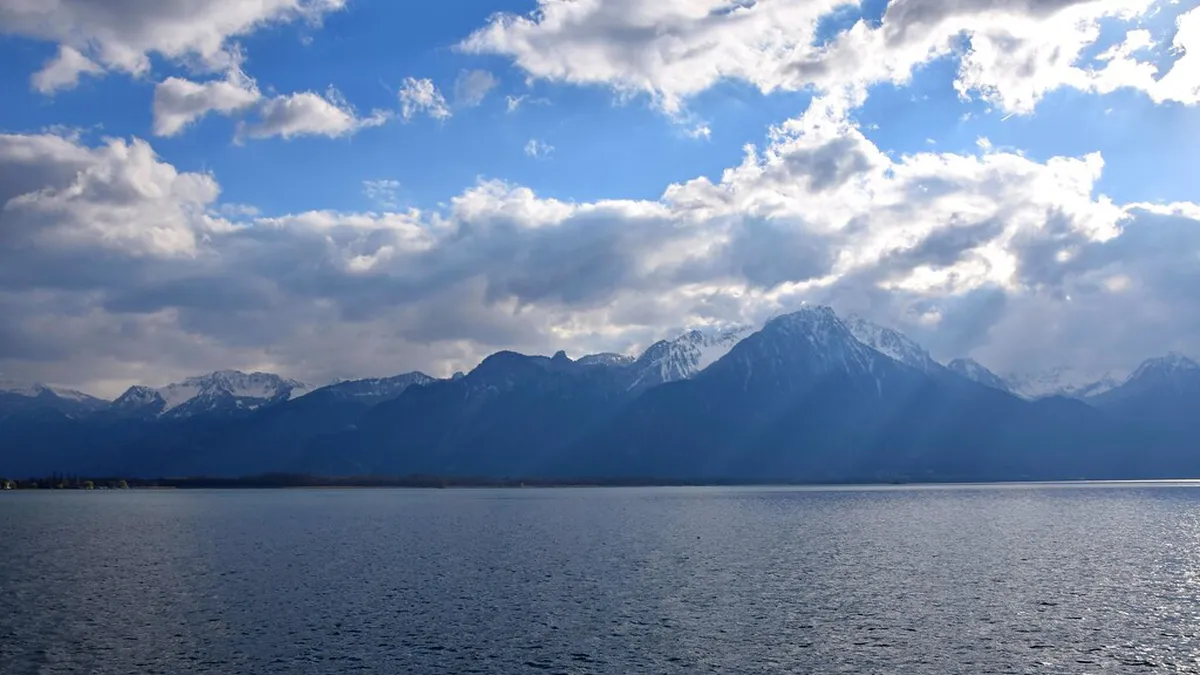
Lake Geneva offers stunning views during the cold winter months of 2026. This guide provides essential photography tips for Lake Geneva in winter. You will learn how to capture the beauty of Vevey and the surrounding Alps. These expert techniques will help you take professional photos in the snow.
Best Gear for Winter Photography in Vevey
Cold weather affects your camera equipment in many ways. You must prepare for freezing temperatures in Vevey. Bring at least three spare batteries for your camera. Cold air drains battery power faster than warm air.
Protect your hands with specialized photography gloves. These gloves allow you to use buttons without exposing skin. You will stay comfortable while shooting the lake. Check the Ville de Vevey website for local weather updates.
Use a sturdy tripod for long exposure shots of the water. Winter winds can be very strong near the lake. A heavy tripod keeps your images sharp and clear. This is essential for capturing the movement of the clouds.
Keep your camera in a sealed bag when moving indoors. This prevents condensation from forming on your lens. Rapid temperature changes can damage your delicate electronics. Patience is important when shooting in the Swiss winter.
Capturing the Iconic Fork of Vevey
The giant fork is a famous landmark in Vevey. It stands tall in the waters of Lake Geneva. You can find many Vevey winter photography spots 2026 nearby. This location offers unique perspectives for every photographer.
Try shooting from a low angle near the water's edge. This makes the fork look even more impressive. Use the snow on the shore as a foreground element. It adds texture and depth to your image.
Focus on the reflections of the fork in the lake. Calm winter mornings provide the best reflective surfaces. You might see the Alimentarium museum in the background. This creates a balanced and interesting composition.
Experiment with different focal lengths for variety. A wide-angle lens captures the entire mountain range. A zoom lens highlights the details of the fork. Both styles work well for this iconic Swiss landmark.
Timing and Light for Lake Geneva Shots
Light changes quickly over the Swiss Alps in winter. The golden hour happens early in the afternoon. This soft light creates long shadows on the mountains. It makes the landscape look very dramatic and beautiful.
Blue hour occurs just after the sun sets. The sky turns a deep indigo color over the water. This is the best time for city lights. You can find great sunset photography locations in Vevey along the quay.
Fog often rolls across Lake Geneva during the winter. This mist creates a moody and mysterious atmosphere. Use a slow shutter speed to soften the water. This technique highlights the stillness of the winter season.
Visit the Montreux Riviera for more lighting inspiration. The sun sets behind the Jura mountains across the lake. This creates a spectacular glow during the winter months. Plan your shoot carefully to catch this light.
Composition Tips for Snowy Swiss Landscapes
Use the lakeside promenade to create leading lines. These lines draw the viewer's eye toward the mountains. The snow-covered benches add a nice seasonal touch. They provide a sense of scale to the vast lake.
Look for pops of color against the white snow. The colorful buildings in the Old Town are perfect subjects. You can also find Instagrammable spots in Vevey with vibrant decorations. These contrast beautifully with the grey winter sky.
Frame your shots using the bare tree branches. This technique adds a natural border to your photos. It emphasizes the cold and stark beauty of winter. Keep your compositions simple to avoid a cluttered look.
Look for patterns in the ice along the shore. The frozen water creates intricate and artistic shapes. Macro photography is a great way to capture these details. It offers a different perspective on the winter season.
Handling Snow and Exposure Settings
Shooting snow can trick your camera's light meter. The camera often thinks the scene is too bright. This results in grey and dull-looking snow. You should adjust your exposure compensation manually.
Increase your exposure by one or two stops. This ensures the snow looks white and crisp. Check your histogram frequently to avoid blowing out highlights. Proper exposure is vital for high-quality winter images.
Set your white balance to a cloudy setting. This prevents the snow from looking too blue. You can also fix this during post-processing. Use software to enhance the details in the shadows.
Shoot in RAW format for the best results. This file type stores more data for editing. You can recover details in the bright snow easily. It gives you more control over the final image.
Frequently Asked Questions
What is the best time of day for photography in Vevey?
The best time is during the golden hour in the late afternoon. The sun stays low in the sky during winter 2026. This creates warm light and long shadows on the Alps. Blue hour is also excellent for capturing the city lights of Vevey.
How do I protect my camera from the Swiss winter cold?
Keep your camera batteries close to your body for warmth. Use a weather-sealed camera bag to block moisture. Avoid changing lenses in the snow to keep the sensor clean. Use a lens hood to prevent snowflakes from hitting the glass.
Where can I take the best photos of the Fork of Vevey?
The best spot is on the quay right in front of the Alimentarium. You can learn more about capturing the Fork of Vevey from different angles. Early morning offers the best reflections in the water.
Capturing Lake Geneva in winter requires preparation and patience. Use these photography tips for Lake Geneva in winter to improve your skills. Vevey offers endless beauty for photographers in 2026. Grab your camera and explore the snowy shores of Switzerland today.