Tips for Photographing Sakurajima Snow Caps From Kagoshima
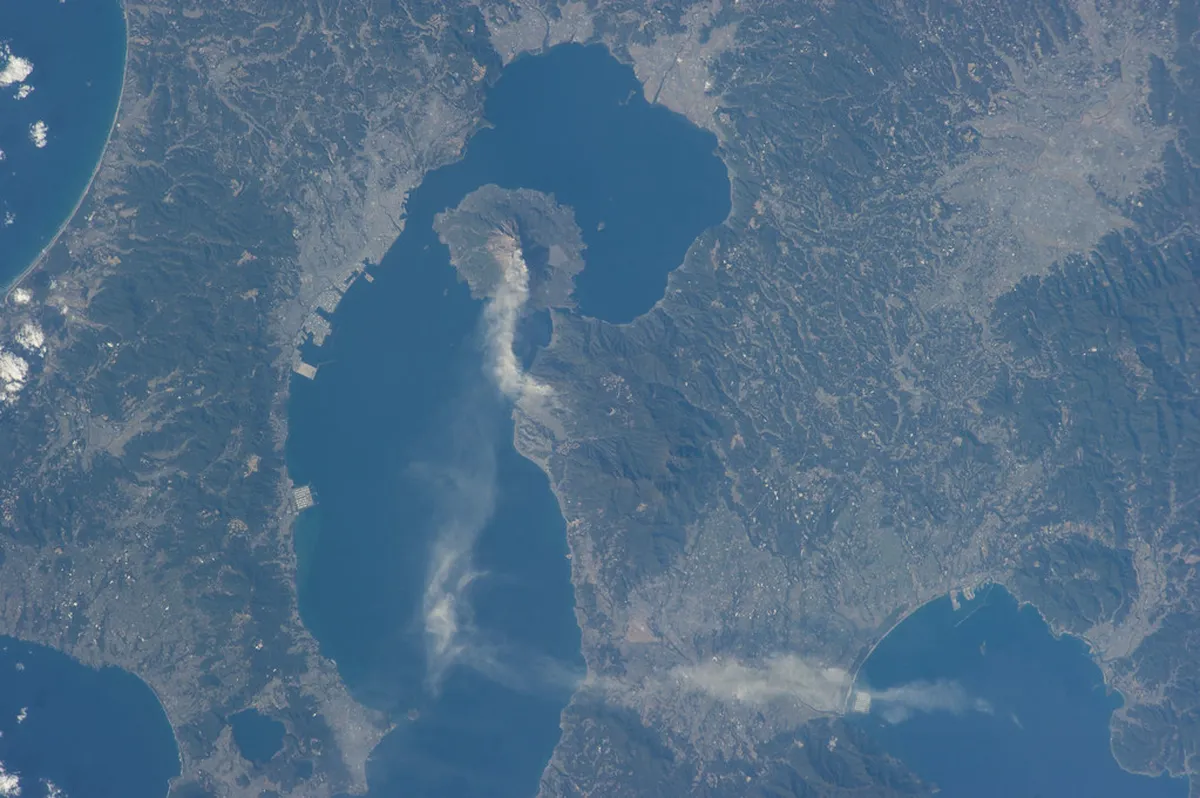
Kagoshima is often called the Naples of the Eastern world. The city sits across a stunning blue bay with a massive volcano. Photographing Sakurajima snow caps from Kagoshima is a dream for many travelers. This comprehensive Sakurajima winter travel guide helps you capture the perfect shot in 2026.
Best Locations for Photographing Sakurajima
Shiroyama Park Observatory is the most famous spot in the city. It offers a high vantage point over the urban skyline. You can see the volcano rising majestically behind the buildings. This location is free to visit and open 24 hours a day.
Kagoshima Waterfront Park provides a different perspective from sea level. You can use the blue water of Kinko Bay to frame your shot. This area is perfect for capturing the scale of the mountain. You will find many best Sakurajima observation points along the paved coastal walking paths.
Yoshino Park is another excellent choice for landscape photographers. It is located on a plateau in the northern part of the city. The park offers wide panoramic views of the entire volcanic range. It is especially beautiful when the winter sun hits the snow caps at noon.
Dolphin Port is a popular shopping area with great wooden decks. These decks serve as excellent platforms for steady tripod setups. You can enjoy a warm coffee while waiting for the perfect light. The proximity to the city center makes it very convenient for quick shoots.
Ideal Timing for Winter Volcano Photography
Winter provides the clearest air of the entire year in southern Japan. You will notice much less haze in the atmosphere during January. This clarity is vital for seeing the fine details of the snow. The 2026 winter season promises many crisp and bright mornings for photography.
Plan your main photo session between 7:00 AM and 9:00 AM. The low angle of the morning sun creates deep shadows on the craters. This highlights the rugged texture of the volcanic rock and white snow. Early morning also tends to have the calmest winds for reflections.
Sunset offers a spectacular transformation of the mountain peaks. The white snow often turns bright orange or soft pink. This phenomenon is known as alpenglow and looks incredible on camera. Aim to be at your chosen location 30 minutes before the official sunset.
Check the local weather forecast for clear sky predictions every evening. Clouds can often move quickly across the bay and hide the peak. A perfectly clear day is rare but worth the wait. Patience is your best tool when shooting active volcanoes in winter.
Essential Gear for Photographing Snow Caps
A high-quality telephoto lens is your most important piece of equipment. Lenses with a focal length of 200mm or more are ideal. They allow you to zoom into the summit and capture snow details. You can see the steam rising from the vents against the ice.
A sturdy tripod is necessary for sharp images in the winter wind. Kagoshima can experience strong coastal breezes that cause camera shake. Using a tripod allows for lower ISO settings and cleaner files. This is especially helpful during the dim light of dawn or dusk.
Circular polarizing filters can help enhance the blue sky and white snow. They reduce glare from the water and make the colors pop. This filter also helps to cut through any remaining atmospheric haze. It is a small tool that makes a big difference in landscape shots.
Cold weather can drain your camera batteries much faster than usual. Always carry at least two spare batteries in an inner pocket. Your body heat will keep them warm and preserve their charge. This ensures you do not miss the perfect shot due to power failure.
Practical Tips for Your 2026 Winter Shoot
Always check the wind direction before you head out to shoot. Ash clouds from the volcano can sometimes block the view of the snow. The Kagoshima City Tourism Guide provides helpful daily updates on volcanic activity. Stay flexible with your plans to get the best visibility.
Consider taking the Sakurajima ferry for unique mid-water perspectives. The ferry runs every 15 to 20 minutes from the main pier. It costs only 200 yen for a one-way adult ticket. The top deck offers an unobstructed view as you cross the bay.
Dress in warm layers to stay comfortable during long outdoor sessions. Temperatures in Kagoshima can drop near freezing during winter nights. Wear windproof outer layers and thermal gloves for the best protection. Using hand warmers can keep your fingers nimble for camera controls.
Respect local safety zones and official warnings at all times. Sakurajima is one of the most active volcanoes in the world. Authorities monitor the area closely to keep visitors and residents safe. You can check if is Sakurajima safe to visit before you start your journey.
Frequently Asked Questions
When is the best month to see snow on Sakurajima?
The best time to see snow caps is between late December and early February. January usually has the most consistent snow cover and clear skies. You should check the Japan National Tourism Organization website for seasonal weather trends and travel updates.
Do I need a special permit for volcano photography?
No special permit is required for standard photography from public areas in Kagoshima. You can freely photograph the volcano from parks, streets, and observatories. Always ensure you are not blocking traffic or private entrances while setting up your tripod gear.
What is the best time of day for photos?
Early morning is the best time for photographing the snow caps. The air is typically at its clearest right after sunrise. This time of day provides excellent side-lighting that emphasizes the volcanic textures. Sunset also offers beautiful colors but the air can be hazier.
Photographing Sakurajima snow caps from Kagoshima is a rewarding winter activity. By choosing the right spots and timing, you will capture stunning images. Remember to bring your telephoto lens and dress warmly for the 2026 season. Start planning your photography trip to this beautiful Japanese city today.