
Top Photo Spots at Hasedera Temple Winter 2026
Hasedera Temple in Kamakura offers a magical setting for winter photography enthusiasts. Finding the best photo spots at Hasedera Temple winter season requires some careful planning. The temple transforms into a glowing wonderland during the cold months of 2026. Visitors can capture unique moments that only appear during this special time of year.
The Iconic Jizo Statues in Winter Light
For current hours, prices, and announcements, start with Kamakura City Official Website.
For practical details and last-minute changes, use Japan National Tourism Organization.
The stone statues at Hasedera are famous throughout Japan. You will find hundreds of small Jizo figures tucked into the hillsides. During winter, these statues often wear bright red knitted hats and bibs. These colors provide a sharp contrast against the grey stone and green moss. This contrast makes them one of the best photo spots at Hasedera Temple winter visitors love.The Nagomi-jizo is the most popular statue for a friendly portrait. Its smiling face brings a sense of peace to every photograph. Try to use a wide aperture to blur the background. This technique makes the statue stand out in your winter compositions. Early morning light provides the softest shadows for these small figures.
You should also look for the Thousand Jizo statues near the main path. They stand in rows and create a powerful visual pattern. In 2026, the temple maintains these areas with great care. Use a tripod if you visit during the Hasedera Temple winter night lighting event. However, be mindful of other guests in tight spaces.
- Focus on the texture of the stone statues.
- Capture the vibrant red clothing in the snow or frost.
- Look for the statues hidden among the winter ferns.
Panoramic Views of Kamakura Coast
The observation deck at Hasedera offers some of the finest views in Kamakura. You can see the entire sweep of Yuigahama Beach from this height. In winter, the air is often very clear and crisp. This clarity allows you to see far across the Sagami Bay. It is a perfect spot for wide-angle landscape photography.
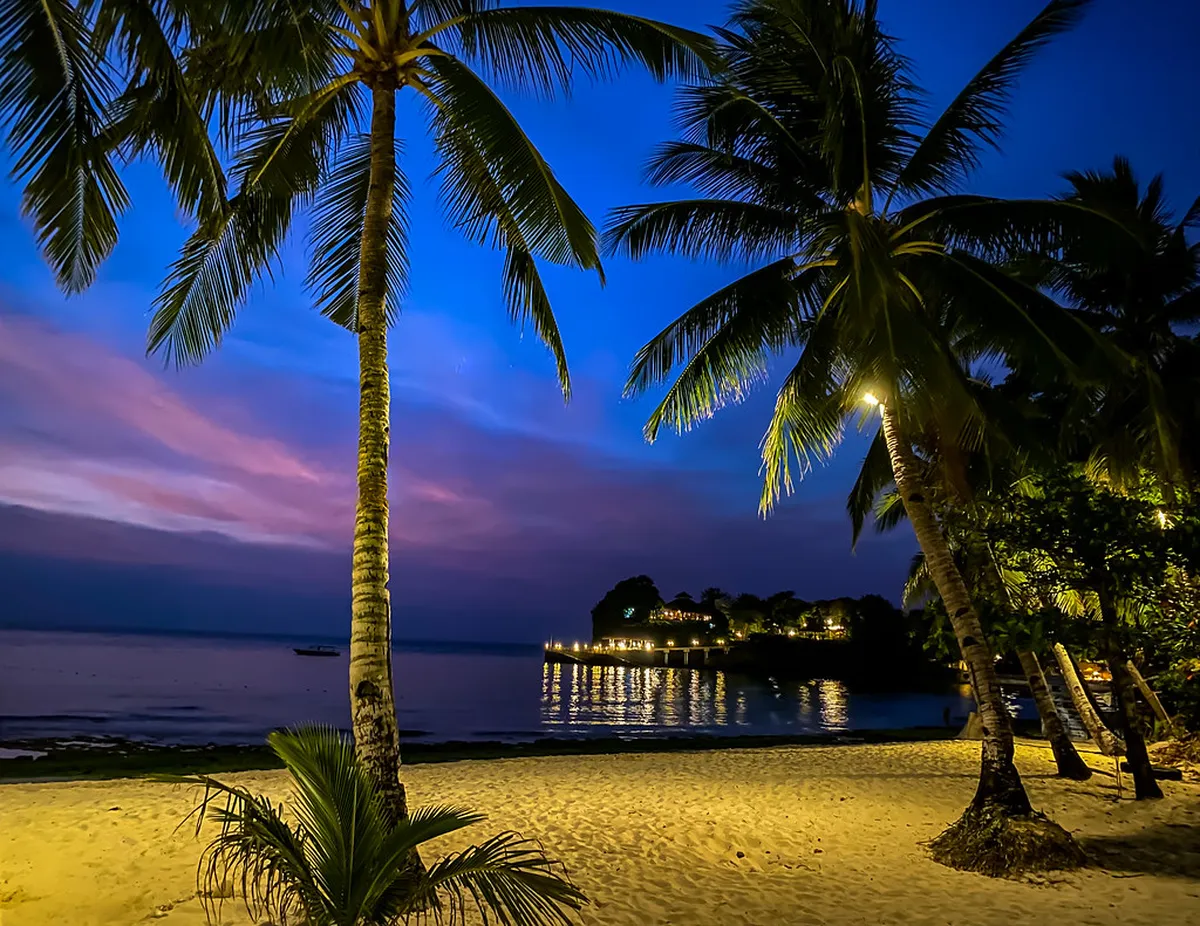
Sunset is the most dramatic time to visit the observation deck. The sky turns shades of orange, pink, and deep purple. You can capture the night views of Kamakura coast from Hasedera as the city lights begin to flicker. The contrast between the dark ocean and the bright town is stunning. Arrive at least thirty minutes before sunset to secure a spot.
Use the temple's traditional wooden railings to frame your shots. This adds a sense of place and culture to your coastal images. The winter sun sits lower in the sky during December and January. This creates long, dramatic shadows across the beach below. You will find that the light stays golden for a longer period.
The deck also features a small restaurant where you can rest. You can take photos through the large windows while staying warm. The price for entry to the temple is about 600 yen. This small fee grants you access to these incredible photographic vantage points. Check the Kamakura City Tourism Association website for weather updates.
Winter Garden Highlights at Hasedera Temple
Hasedera is known as the temple of flowers for good reason. Even in winter, the gardens offer beautiful subjects for your camera. You can find early plum blossoms starting to bloom in late January. These delicate white and pink flowers signal the coming of spring. They look beautiful against the traditional architecture of the temple buildings.
The lower garden features a large koi pond with many reflections. In winter, the water is still and acts like a mirror. You can capture the reflection of the surrounding trees and stone lanterns. Look for the winter garden highlights at Hasedera Temple Kamakura near the entrance. The camellias also bloom during this time, adding splashes of deep red.
Photography in the gardens requires a slow and steady approach. Follow the winding paths to discover hidden bridges and small waterfalls. The damp stones and moss look especially rich after a light winter rain. Use a polarizing filter to remove glare from the wet leaves. This will make the natural colors look more saturated in your photos.
- Look for ice formations on the small waterfalls.
- Photograph the koi fish swimming near the surface.
- Capture the symmetry of the stone lanterns in the garden.
Hasedera Temple Winter Night Lighting Magic
The winter illumination is a highlight of the 2026 season in Kamakura. The temple grounds are lit with thousands of soft lights after dark. This event creates a completely different atmosphere for photography. The trees glow with golden and blue hues against the night sky. You must check the Hasedera Temple winter illumination 2026 dates before your trip.
The main hall looks majestic when it is fully illuminated at night. Its wooden details are highlighted by strategically placed spotlights. You can capture the glow of the building reflecting in the nearby ponds. This is one of the most iconic shots you can take. Be sure to adjust your white balance for the warm artificial lights.
Crowds can be large during the peak nights of the illumination. Try to visit on a weekday to have more space for your camera gear. The temple staff are very helpful and keep the paths safe. Always follow the signs and stay on the designated photography paths. Visit the official Hasedera Temple website for specific event hours.
Low light photography requires a steady hand or a high ISO setting. Most modern cameras can handle the dark conditions quite well. Focus on the details of the light reflecting off the temple bells. These small details tell a story of a peaceful winter night. The experience of walking through the lighted gardens is truly unforgettable.
Frequently Asked Questions
What are the best photo spots at Hasedera Temple winter visitors should see?
The best spots include the observation deck for coastal views and the Jizo statues. The illuminated main hall and the koi pond reflections are also essential. These locations offer the most iconic winter imagery in 2026.
Are tripods allowed for photography at Hasedera Temple?
Tripods are generally restricted during busy periods and special events. It is best to use a monopod or high ISO settings for night shots. Always check with temple staff upon entry for the current rules.
When is the best time of day for winter photography in Kamakura?
Early morning offers soft light and fewer crowds for garden shots. Sunset and the subsequent blue hour are perfect for coastal and illumination photos. Plan to stay for the evening lighting event for the best results.
Hasedera Temple is a premier destination for winter photography in Japan. From the charming Jizo statues to the sweeping coastal views, there is much to capture. Plan your visit for 2026 to experience the magical night lighting events. Your photo gallery will benefit from the unique colors and atmosphere of this sacred site. Start planning your Kamakura photography trip today!