
Top Winter Garden Highlights at Hasedera Temple Kamakura
Hasedera Temple transforms into a quiet paradise during the colder months. The winter garden highlights at Hasedera Temple Kamakura offer a unique peacefulness for every visitor. You can enjoy rare flowers and glowing lanterns under the clear night sky. This guide covers everything you need for a perfect 2026 winter visit.
Winter Garden Highlights at Hasedera Temple Kamakura
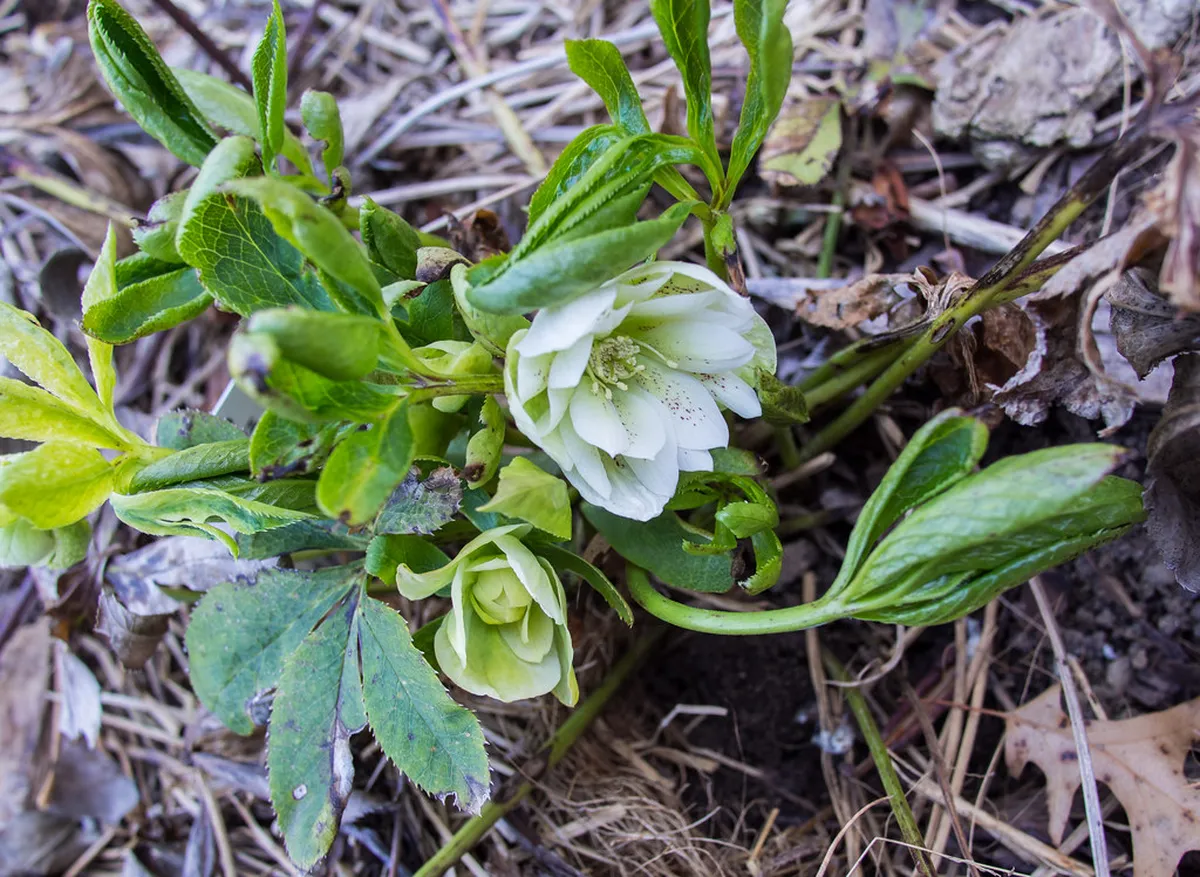
The winter garden highlights at Hasedera Temple Kamakura include the beautiful winter peonies. These flowers bloom bravely in the cold from January to February. You will see them protected by small straw roofs called wara-yoke. These straw capes look like tiny houses for the bright red and white blossoms.
This sight is unique to traditional Japanese gardens during the winter season. The contrast between the golden straw and the vibrant petals is stunning. Photographers love capturing these delicate flowers against the temple’s wooden structures. You can find more details on the official Hasedera Temple website regarding bloom times.
Walking through the upper garden levels provides a sense of calm. The air in Kamakura is crisp and fresh during these months. You will notice the garden is much quieter than in the summer. It is the perfect time for a slow and thoughtful stroll through nature.
Check the ground for early plum blossoms starting in late February. These small buds signal the coming of spring to the temple grounds. The white and pink petals add a soft touch to the winter landscape. Always keep your camera ready for these subtle signs of seasonal change.
Hasedera Temple Winter Night Lighting Magic
The Hasedera Temple winter night lighting is a must-see event for 2026. During special evenings, the entire garden glows with soft golden light. Lanterns line the stone paths and reflect in the calm garden ponds. This creates a dreamlike atmosphere that feels far away from the busy city.
The lighting highlights the ancient trees and the temple’s main hall. You can see the famous Kannon statue in a different, more mysterious light. The reflection of the illuminated maple trees in the water is breathtaking. It is one of the most romantic spots in Kamakura during the winter.
Visitors often find the evening hours to be the most peaceful. The crowds are usually smaller than during the daytime peak hours. You should look for the best photo spots at Hasedera Temple winter events. These spots offer the best angles for capturing the glowing garden and the night sky.
Make sure to check the specific dates for the 2026 lighting schedule. These events usually happen during late autumn and early winter weekends. The entry for the night lighting may require a separate ticket. Arriving just before sunset allows you to see the garden transition into its night form.
Breathtaking Views of the Kamakura Coastline
One of the best features of Hasedera is its high elevation. The observation deck offers a panoramic view of Sagami Bay and the coastline. In winter, the air is exceptionally clear and free of summer haze. This allows you to see much further across the blue ocean waters.
You can see the waves crashing on Yuigahama Beach from the terrace. The winter sun creates a sparkling effect on the water's surface. It is a great place to sit and enjoy a hot drink from the temple cafe. The view is especially beautiful during the early morning or late afternoon.
Sunset in Kamakura during the winter happens quite early, around 4:30 PM. The sky often turns shades of deep orange, pink, and purple. Watching the sun dip below the horizon from this height is a spiritual experience. Many visitors find this to be the highlight of their entire trip.
There are benches available where you can rest and take in the scenery. The temple provides a peaceful environment to appreciate the natural beauty of Japan. Remember to bring a warm jacket as the wind can be cold near the coast. The view is worth every moment spent in the chilly air.
Exploring the Lower Garden and Jizo Statues
The lower garden at Hasedera is home to many charming Jizo statues. The Nagomi-jizo is the most famous with its sweet and smiling face. In winter, these statues sometimes wear small red hats or bibs. These are placed by locals to keep the stone figures warm during the frost.
The moss in the lower garden remains green even in the cold months. It covers the rocks and ground like a soft, emerald carpet. You will find small stone lanterns tucked away in the bamboo groves. These small details make the garden feel like a hidden sanctuary.
Explore the Bentendo area and the small cave located near the entrance. The cave contains many small statues carved directly into the rock walls. It is a cool and quiet place that feels very ancient. The flickering candles inside provide a warm glow against the dark stone.
Follow the winding paths to discover hidden corners of the temple grounds. Each turn offers a new perspective on the traditional Japanese landscape design. The balance of stone, water, and plants is carefully maintained throughout the year. Winter allows you to appreciate the structure and bones of the garden design.
Practical Information for Your 2026 Visit
Planning your trip requires knowing the Hasedera Temple opening hours for winter events in advance. The temple usually opens at 8:00 AM and closes around 4:30 PM. During night lighting events, the hours are extended until 7:00 PM or 8:00 PM. Check the Kamakura City Tourism Association for the latest 2026 updates.
The admission fee for adults is typically 400 yen for the daytime. Special evening events may have an additional cost for entry. You can pay at the gate or use a digital payment method. It is a very affordable way to experience world-class Japanese culture and nature.
Hasedera Temple is a short five-minute walk from Hase Station on the Enoden Line. This historic train line connects Kamakura Station to Fujisawa Station. The walk to the temple is flat and filled with small local shops. You can buy traditional snacks and souvenirs along the way.
Wear comfortable walking shoes with good grip for the stone steps. The temple has many stairs, especially when climbing to the upper observation deck. Dress in layers to stay warm while standing still for photos. A small thermos with tea is a great companion for a winter temple tour.
Frequently Asked Questions
What are the best winter garden highlights at Hasedera Temple Kamakura?
The top highlights include the winter peonies protected by straw capes and the clear coastal views. The evening night lighting events in 2026 are also a major draw. These features provide a peaceful and unique look at Japanese temple culture during the quietest season of the year.
Is Hasedera Temple open every day in winter?
Yes, Hasedera Temple is open daily throughout the winter months, including New Year's Day. Standard hours are 8:00 AM to 4:30 PM, but these extend during special illumination events. Always verify specific dates for the winter lighting before you travel to ensure you don't miss the evening displays.
How much does it cost to visit Hasedera Temple in 2026?
The general admission fee for adults is 400 yen, while children pay 200 yen. Special events like the winter night lighting may require a separate or additional ticket. This fee grants you access to the gardens, the main hall, the museum, and the scenic observation deck.
Visiting Hasedera Temple in winter is a magical experience you will never forget. From the delicate peonies to the glowing lanterns, every detail is stunning. Make sure to check the Kamakura winter events 2026 schedule to plan your perfect trip. Enjoy the peace and beauty of this historic Japanese treasure.