
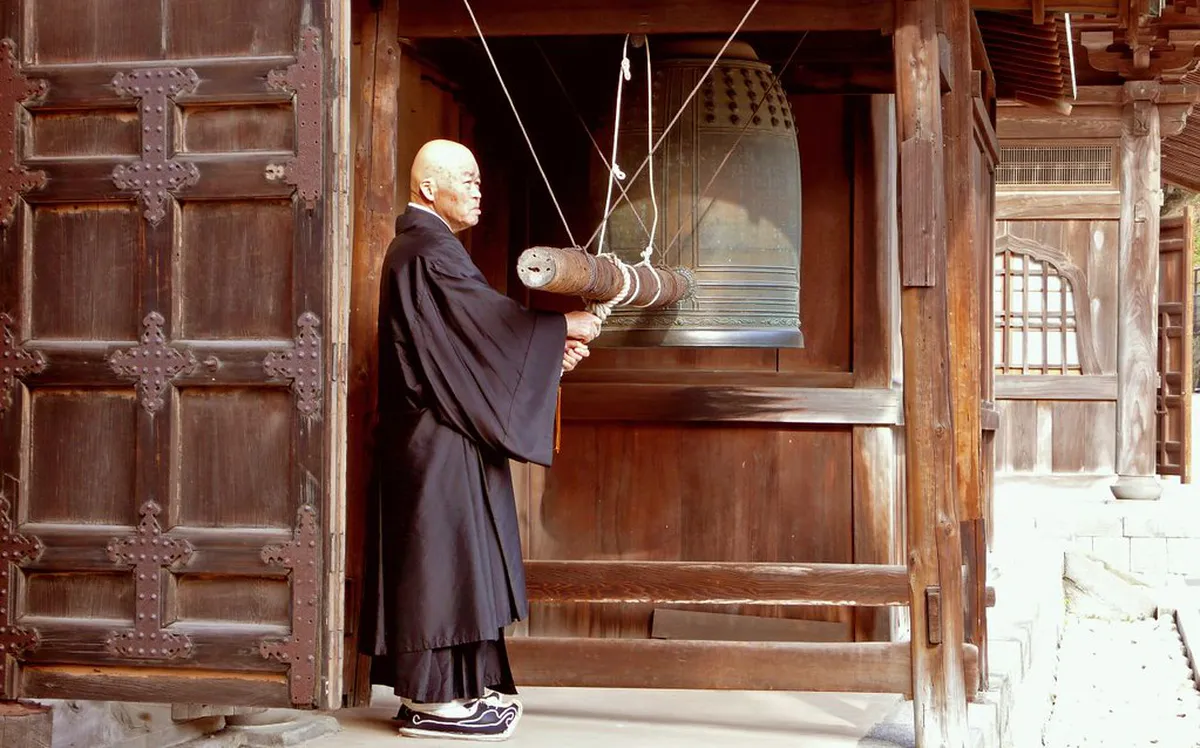
Guide to Kamakura Temple Bell Ringing Ceremonies on New Year
Kamakura temple bell ringing ceremonies on New Year provide a unique spiritual start to your next travel year. These ancient rituals help locals and visitors cleanse their souls through deep, resonant sounds of bronze bells. You can join this sacred tradition across the historic coastal city during the midnight transition to 2026.
Understanding the Joya no Kane Tradition
Joya no Kane is the traditional Japanese name for this powerful New Year's Eve bell ringing ritual. Buddhist temples ring their large bells exactly 108 times starting at the stroke of midnight on January 1st. This specific number represents the 108 worldly desires that cause human suffering according to Buddhist teachings.
Each strike of the heavy bell helps to purify your heart for the exciting new year ahead. Kamakura is famous for its many historic Zen temples that maintain these spiritual practices with great care. You will hear the deep vibrations echoing through the quiet coastal hills of the beautiful Kanagawa region.
The atmosphere becomes very spiritual as the cold winter air carries the sound across the dark city. Many visitors combine these rituals with Kamakura New Year shrine visits for a complete cultural experience. It is a time for reflection and setting positive intentions for the coming twelve months.
The sacred ringing usually begins around 11:45 PM on the night of December 31st each year. The ceremony often continues well into the early morning hours of January 1st as crowds gather together. You should expect a peaceful environment where people wait patiently for their turn to hear the bells.
Best Temples for New Year Bell Ringing
Kencho-ji Temple is the oldest Zen training monastery in the city and offers a very formal atmosphere. Its massive bell is a National Treasure and rings with immense power during the cold midnight hours. Monks lead the ceremony with traditional chanting that adds a layer of solemnity to the entire event.
Hasedera Temple offers a stunning setting overlooking the dark Pacific Ocean from its elevated wooden observation platforms. They use a lottery system for those who want to strike the bell during the official ceremony. You should check the Hasedera Temple website for specific 2026 application dates and rules.
Engaku-ji Temple sits conveniently near Kita-Kamakura Station for easy access from the nearby city of Tokyo. Its Great Bell is famous for its elegant shape and creates a deep tone that resonates through the valley. This location is one of the most popular spots for residents to gather on New Year's Eve.
Kotoku-in is home to the famous Great Buddha statue and hosts a smaller but very intimate ceremony. The sight of the giant bronze statue under the moonlight creates a truly unforgettable memory for every visitor. It is a wonderful place to escape the larger crowds found at the main city center shrines.
You can find more details about these locations in our best shrines for New Year guide. Each temple has its own unique charm and specific traditions for the annual bell ringing event. Choose the one that best fits your interest in history, scenery, or spiritual connection.
How to Participate in the Ceremony
Participation in the ringing often requires a numbered ticket or a small donation to the temple. Most temples start handing out these tickets on New Year's Eve afternoon to manage the large crowds. You should arrive early because popular temples run out of spots very quickly during this busy season.
Some locations only allow the first 108 people to strike the bell themselves during the midnight ritual. Other temples allow more people to participate but the wait times can be several hours long in the cold. A typical donation for striking the bell ranges from 100 to 500 yen per person.
Follow the local etiquette strictly when it is finally your turn to ring the heavy bronze bell. Bow toward the bell before and after you strike the wood to show your deep respect. Pull the rope firmly but do not use excessive force to avoid damaging the ancient wooden structures.
Keep a quiet and respectful attitude throughout the entire temple grounds while others are praying or meditating. This is a religious event rather than a loud party so please keep your voice very low. You can learn more about seasonal activities in our Kamakura winter events 2026 overview.
Planning Your 2026 New Year Visit
Public transportation runs all night between Tokyo and Kamakura stations on the night of New Year's Eve. The JR Yokosuka Line is the most reliable way to reach the city for these late ceremonies. Check the latest schedules for the transport from Tokyo to Kamakura before you start your journey.
Dress in many warm layers because you will spend several hours standing outside in the freezing winter air. Temperatures in Kamakura often drop near zero degrees Celsius during the peak of the New Year period. Wear thick socks and bring disposable heat packs to keep your hands and feet warm while waiting.
After the bell ringing, many people head directly to the beach to witness the first sunrise of 2026. Yuigahama Beach offers a clear view of the sun rising over the Pacific Ocean for a beautiful start. This tradition is called Hatsuhinode and is very popular with both local residents and visiting tourists.
You can find hot food and drinks at various street stalls located near the major temple entrances. Many temples serve hot amazake, which is a sweet fermented rice drink that provides instant warmth and energy. It is a classic part of the Japanese New Year experience that you must try once.
Frequently Asked Questions
Can anyone participate in Kamakura temple bell ringing ceremonies on New Year?
Yes, most temples allow the public to participate if they arrive early enough to secure a ticket. Some temples limit the ringing to the first 108 people, while others allow more visitors to strike the bell for a small donation. Check the Kamakura City Tourism Association for updates.
What is the best time to arrive for bell ringing in Kamakura?
You should aim to arrive at your chosen temple by 10:00 PM on New Year's Eve. Tickets for the most popular spots like Hasedera often run out much earlier in the afternoon. Early arrival ensures you get a spot and can enjoy the spiritual atmosphere before midnight.
Is there a fee to ring the temple bells in Japan?
Most temples request a small donation ranging from 100 to 500 yen to participate in the ceremony. This money goes toward the maintenance of the historic temple buildings and the sacred bronze bells. Some smaller temples may offer the experience for free but donations are always appreciated.
Kamakura temple bell ringing ceremonies on New Year offer a profound way to welcome 2026 with peace. These rituals connect you to centuries of Japanese tradition while providing a moment of deep personal reflection. Start your new year with a clear mind and a purified heart in this beautiful city. Plan your trip early to ensure you experience this magical midnight event in Kamakura.