
Best Traditional Japanese New Year Food in Kamakura
Traditional Japanese New Year food in Kamakura offers a unique taste of ancient local culture and history. Many visitors enjoy these special dishes while participating in Kamakura New Year shrine visits during January. You will find many restaurants serving seasonal specialties throughout the coastal city during the 2026 holidays. This guide explores the most delicious meals you must try during your winter visit to Japan.
Toshikoshi Soba: The New Year's Eve Tradition
Eating Toshikoshi soba is a vital part of the traditional Japanese New Year food in Kamakura. These long buckwheat noodles represent a long and healthy life for every diner in Japan. Most people eat this delicious dish late on New Year's Eve in local Kamakura restaurants. The thin noodles are easy to cut, symbolizing breaking off the past year's hardships.
You can find many cozy soba shops along the busy Komachi-dori street near the main station. These shops often have long queues as the clock strikes midnight on the first of January. Many locals prefer hot soba to stay warm during the chilly winter nights in Kamakura city. You should book a table early if you want to enjoy this meal in 2026.
Prices for a standard bowl of soba usually range from 1,000 to 1,800 Japanese yen per person. Some high-end restaurants in the hills of Kamakura offer premium handmade noodles with local tempura shrimp. You can check the Kamakura City Tourism Association website for specific restaurant opening hours. Enjoying soba is the perfect way to start your holiday celebrations in this historic coastal town.
Osechi Ryori: Elegant Traditional Japanese New Year Food
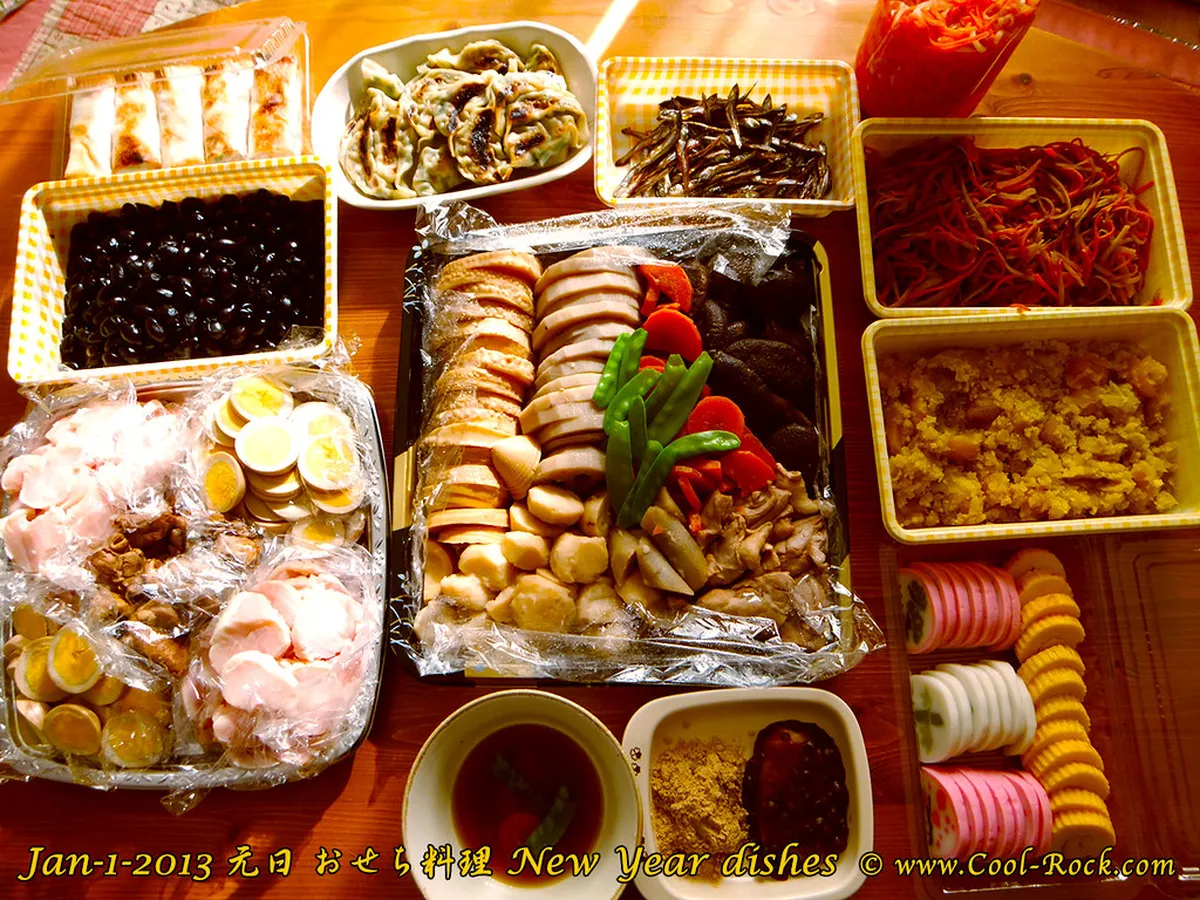
Osechi Ryori consists of several colorful dishes packed inside beautiful lacquered boxes called jubako. Each ingredient in this traditional Japanese New Year food in Kamakura carries a very specific lucky meaning. For example, sweet black beans represent hard work and good health for the coming new year. Golden mashed sweet potatoes with chestnuts symbolize wealth and financial prosperity for your entire family.
Kamakura chefs often incorporate fresh seafood from the nearby Sagami Bay into their festive Osechi boxes. You might find local sea bream or kamaboko fish cakes shaped like the rising festive sun. These meals are designed to last for the first three days of the January holiday. This tradition allows mothers and cooks to rest during the start of the busy new year.
Many luxury hotels and traditional ryokans near the beach offer elaborate Osechi breakfast sets for their guests. You can also find smaller versions of these boxes at department stores near the Kamakura train station. Expect to pay between 5,000 and 20,000 yen for a high-quality traditional New Year box. Be sure to check the Tsurugaoka Hachimangu hatsumode 2026 crowd guide before heading out for lunch.
Ozoni Soup: A Warming Regional Specialty
Ozoni is a traditional soup containing toasted mochi rice cakes and various seasonal local vegetables. The style of Ozoni served in Kamakura typically follows the Kanto region tradition of clear broth. This savory soup uses a soy sauce base rather than the miso base found in Western Japan. It provides essential warmth to pilgrims visiting temples during the cold Kamakura winter events 2026.
The mochi used in Kamakura Ozoni is usually cut into squares and toasted before joining the broth. Chefs add ingredients like chicken, shiitake mushrooms, and Japanese parsley to enhance the deep umami flavor. Every family in Kamakura has their own unique recipe passed down through many different generations. You can taste authentic versions at traditional tea houses located near the famous Great Buddha statue.
Many small cafes near Hasedera Temple serve bowls of Ozoni to tired hikers and tourists. A single serving of this filling soup usually costs around 800 to 1,200 Japanese yen. The chewy texture of the mochi makes this a very satisfying meal during a long day. It is a must-try dish for anyone wanting to experience true Japanese holiday food culture.
New Year Street Food Near Tsurugaoka Hachimangu
The approach to Tsurugaoka Hachimangu Shrine transforms into a lively food market during the New Year. You will find dozens of stalls selling traditional Japanese New Year food in Kamakura to hungry visitors. One of the most popular items is Amazake, which is a sweet and fermented rice drink. This non-alcoholic beverage is served steaming hot to help visitors brave the cold January wind.
You can also try Mitarashi dango, which are grilled rice dumplings covered in a sweet soy glaze. These snacks are easy to eat while you walk through the beautiful shrine grounds with friends. Many stalls also sell grilled squid and hot chestnuts that fill the air with wonderful festive aromas. These street foods offer a more casual way to celebrate the holiday season in Kamakura.
Most street food items cost between 300 and 700 yen, making them very affordable for travelers. The stalls are usually open from early morning until late in the evening during January. You should bring small coins and cash as many vendors do not accept credit cards. This vibrant food scene is a highlight of any New Year trip to this city.
Frequently Asked Questions
What is the most important traditional Japanese New Year food in Kamakura?
Toshikoshi soba is the most important food to eat on New Year's Eve in Kamakura. These long buckwheat noodles symbolize a long life and help people leave behind the hardships of the past year. Most locals visit soba shops near the station before the midnight temple bells begin.
Are restaurants in Kamakura open on New Year's Day 2026?
Many restaurants in Kamakura remain open on New Year's Day to serve the large crowds of shrine visitors. However, some smaller family-owned shops may close for the first three days of January. It is best to check the how to pray at Tsurugaoka Hachimangu Shrine guide for more travel tips.
Where can I try Osechi Ryori in Kamakura without a reservation?
You can find simplified Osechi Ryori sets at department stores and high-end supermarkets near Kamakura Station. Some larger cafes and hotel restaurants also offer Osechi-inspired plates for walk-in customers during the holiday. These sets allow you to taste various symbolic dishes without needing a formal reservation.
Traditional Japanese New Year food in Kamakura provides a delicious window into the heart of Japanese culture. From the long noodles of soba to the symbolic boxes of Osechi, every bite tells a story. Plan your 2026 trip early to enjoy these seasonal flavors in one of Japan's most beautiful cities. Start your culinary adventure in Kamakura this winter for an unforgettable New Year experience.