
Ultimate Omicho Market Winter Seafood Guide for 2026
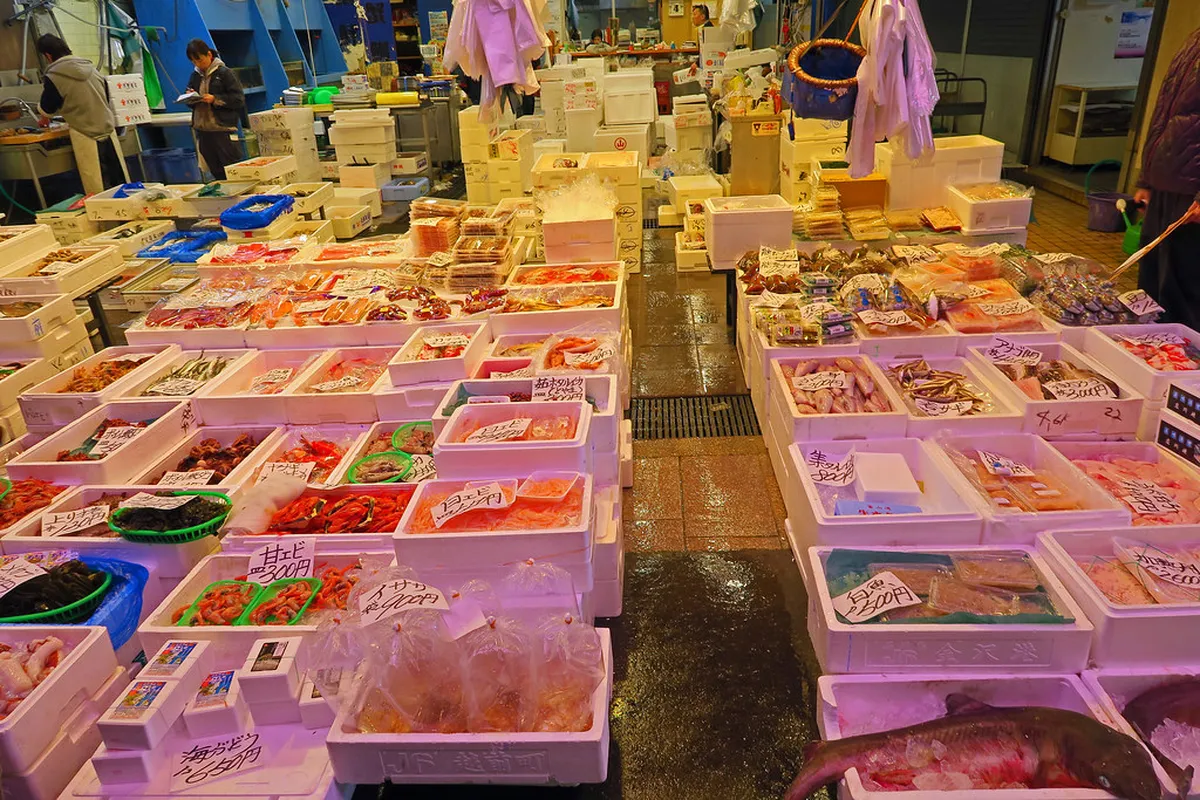
Kanazawa is a top food destination in Japan during the winter. This Omicho Market winter seafood guide will help you find the best bites. You can enjoy fresh crab and fatty yellowtail throughout the season. Planning your 2026 trip starts with knowing Kanazawa winter travel tips for foodies.
Top Winter Seafood to Eat in 2026
Winter is the peak season for seafood lovers in Kanazawa. The cold waters of the Sea of Japan produce incredibly rich fish. You will see the market stalls filled with bright red snow crabs. These crabs are the stars of the market from November to March. Locals wait all year for this specific seasonal treat.
Male snow crabs are called Kano-gani and are quite large. They have sweet meat and cost between 10,000 and 30,000 yen. Female crabs are called Kobako-gani and are much smaller. They are famous for their delicious eggs and rich tomalley. You can find the best stalls for Kanazawa snow crab near the center of the market.
Yellowtail, known as Buri, is another winter essential in Kanazawa. Cold winter storms make the fish develop a high fat content. This makes the meat melt in your mouth like butter. A thick slice of Buri sashimi is a must-try experience. Many stalls offer small plates for quick tasting.
Sweet shrimp, or Ama-ebi, are also at their best during winter. These translucent red shrimp have a naturally sugary flavor. You can buy them by the plate for around 1,000 yen. Look for shrimp with bright blue eggs for the best quality. They are perfect for a fresh morning snack.
Best Dining Spots for Fresh Seafood
Eating at a restaurant inside the market is a great experience. Most places specialize in kaisen-don, which are fresh seafood bowls. These bowls feature a variety of seasonal toppings over vinegared rice. Prices usually range from 2,500 to 5,000 yen per bowl. High-end bowls may include gold leaf as a local Kanazawa touch.
If you want a quick meal, try a conveyor belt sushi spot. These restaurants offer high quality at a very reasonable price. You can choose exactly what you want from the moving belt. Many shops now use tablets for easy ordering in English. This is a great way to try many different fish types.
For the freshest experience, consider having breakfast at Omicho Market during your stay. Many restaurants open as early as 8:00 AM or 9:00 AM. Arriving early helps you avoid the long lunch queues. By noon, the wait times can exceed one hour at popular spots. Plan your morning to beat the hungry crowds.
You should also look for restaurants located on the second floor. The ground floor is often very crowded and noisy. The upper level offers a quieter atmosphere for your meal. Many of these shops have been family-owned for many decades. They provide a more traditional and relaxed dining environment.
Essential Tips for Market Visitors
The market is located a short walk from Kanazawa Station. You can reach it in about fifteen minutes on foot. Many local buses also stop right at the market entrance. If you are staying nearby, walking is the easiest option. Be sure to check the Kanazawa winter weather guide before heading out.
Most stalls open around 9:00 AM and close by 5:00 PM. However, many seafood vendors sell out of top items early. It is best to visit between 9:00 AM and 11:00 AM. Many shops close on Wednesdays or Sundays throughout the year. Check the official schedule if you visit on those days.
Cash is still the most common way to pay here. While some large shops take cards, small stalls rarely do. Bring plenty of 1,000 yen notes and coins for snacks. You will find a few ATMs near the market entrances. Having cash ready makes the buying process much faster.
The market floors can be very wet and cold in winter. Wear waterproof shoes with good grip to stay safe and warm. The temperature inside the market is similar to the outdoors. Dress in layers so you can stay comfortable while eating. A warm hat and gloves are highly recommended for 2026 visits.
Winter Street Food and Snack Guide
Walking and eating is a fun part of the market culture. You can find many stalls selling grilled seafood on skewers. Scallops, squid, and prawns are popular choices for visitors. These usually cost between 500 and 1,500 yen per skewer. They are grilled fresh right in front of you.
Do not miss the must-try seasonal snacks like steamed oyster buns. These warm treats are perfect for a chilly winter morning. Some stalls also sell hot cups of miso soup. This soup often contains local crab legs for extra flavor. It is a cheap way to warm your hands.
Uni, or sea urchin, is often served right in its shell. You can eat it with a small spoon at the stall. The flavor is creamy, salty, and very fresh. One shell usually costs around 1,000 to 2,000 yen. It is a luxury snack that is worth the price.
Please remember to use the designated trash cans at each stall. Do not walk around the market while holding open food. Most vendors prefer that you stand near their shop to eat. This keeps the narrow walkways clear for other shoppers. Following these rules shows respect for the local vendors.
Souvenirs and Local Specialty Goods
You can bring a taste of Kanazawa home with you. Many shops sell high-quality dried fish and seaweed products. These items are easy to pack and last a long time. Look for dried yellowtail or seasoned nori sheets as gifts. They are very popular with domestic Japanese tourists.
Kanazawa is also famous for its excellent local sake brands. Many stalls offer small tasting sets for a few hundred yen. You can find a bottle that pairs well with seafood. The staff can often recommend a dry sake for winter fish. This makes for a perfect 2026 winter souvenir.
If you enjoy cooking, look for local seasonings and salts. Some shops sell salt harvested from the nearby Noto Peninsula. You can also find high-quality soy sauce made in Ishikawa. These items are great for recreating Japanese flavors at home. Be sure to check buying winter food souvenirs for more ideas.
Most vendors can pack your items for domestic travel within Japan. If you are traveling abroad, check your country's customs rules first. Vacuum-sealed products are usually the safest choice for international flights. Ask the shop staff for help with protective bubble wrap. They are very experienced with packing fragile food items.
Frequently Asked Questions
What are the Omicho Market opening hours in winter 2026?
Most stalls at Omicho Market open at 9:00 AM and close at 5:00 PM. Some restaurants stay open later for dinner service. It is best to arrive before 10:00 AM for the best seafood selection. Many stalls close on Wednesdays, so plan your visit accordingly.
How much does a snow crab cost at Omicho Market?
Prices for snow crab vary based on size and quality. A small female Kobako-gani costs between 1,500 and 3,000 yen. Larger male Kano-gani can cost 10,000 to 30,000 yen or more. Prices are usually highest in December during the holiday season.
Is Omicho Market crowded during the winter months?
Yes, winter is the busiest season due to the crab harvest. Weekends and lunch hours are especially crowded with tourists and locals. Visit on a weekday morning to enjoy a quieter experience. Expect long lines at the most famous sushi restaurants.
Can I eat street food while walking in Omicho Market?
It is best to eat your snacks near the stall where you bought them. Walking while eating is generally discouraged to keep the aisles clean. Most stalls provide a small standing area for customers. Look for trash bins provided by the vendors for your waste.
Omicho Market is the heart of Kanazawa's food scene in winter. Following this Omicho Market winter seafood guide ensures a delicious trip. You can find the best crabs, sushi, and snacks in one place. Be sure to learn how to find the best sushi before you arrive. Enjoy your 2026 culinary adventure in this historic market!