
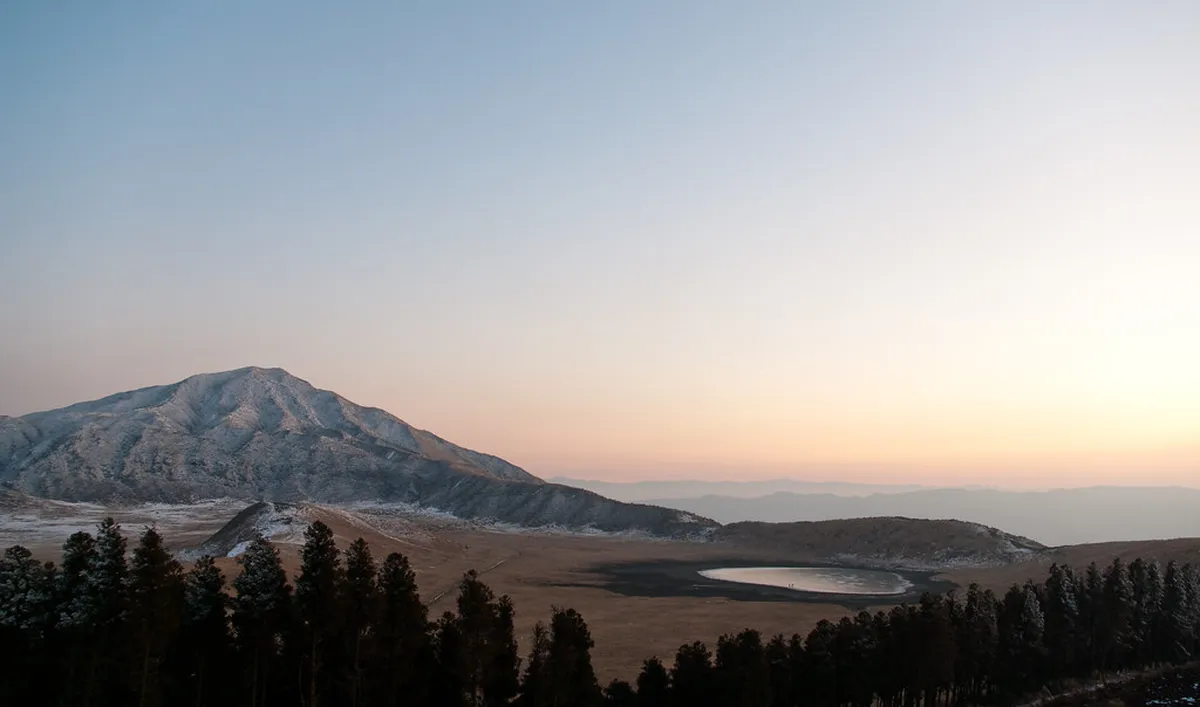
Best Mount Aso Winter Photography Tour for Travelers
Experience the magical winter landscape of Kumamoto during your next holiday to Japan in early 2026. A Mount Aso winter photography tour for travelers offers many unique and professional photo opportunities. You will capture one of the largest volcanic calderas found anywhere in the entire world. The pristine white snow creates a stunning contrast against the dark and rugged volcanic soil.
Top Photography Locations in Mount Aso
Kusasenri-ga-hama is the most popular spot for capturing wide landscape shots of the snowy plains. The frozen ponds reflect the surrounding peaks and create a beautiful scene for your camera lens. Visit the best views of snow-capped Mount Aso peaks to find the perfect angle for your shots. Nakadake crater provides a dramatic backdrop with steam rising against the cold winter sky in 2026.
The Komezuka volcanic cone looks like a giant powdered sugar cake when covered in fresh winter snow. This perfectly symmetrical hill is a favorite subject for minimalist photographers visiting the Kumamoto region. You can find several roadside pull-outs that offer clear views of this unique geographical feature. Ensure you bring a telephoto lens to capture the fine details of the snowy crater rim.
Aso Shrine offers a traditional cultural element to your winter photography portfolio during the snowy months. The historic architecture looks stunning when the heavy wooden gates are dusted with bright white snow. Local festivals often take place here during February and provide excellent candid photography opportunities for travelers. Capture the contrast between the vibrant red shrine details and the muted tones of winter.
Essential Gear for Winter Snow Photography
Bring several extra camera batteries because the freezing temperatures will drain your power very quickly. A sturdy tripod is essential for capturing sharp images of the vast and snowy mountain landscapes. Use a high-quality polarizing filter to reduce the harsh glare reflecting off the bright white snow. Keep your camera equipment in a sealed bag when moving from the cold air into warmth.
Wide-angle lenses are perfect for capturing the immense scale of the Aso caldera and its plains. A 16-35mm lens allows you to include the foreground snow textures and the distant mountain peaks. Consider carrying a weather-sealed camera body to protect your gear from falling snow and volcanic ash. Microfiber cloths are necessary for wiping away moisture that accumulates on your lens during the day.
Wear thermal layers and waterproof clothing to stay comfortable during long outdoor photography sessions in 2026. Specialized photography gloves with fold-back fingertips allow you to adjust camera settings without exposing your hands. Sturdy boots with excellent grip are required for walking safely on the icy volcanic trails. Hand warmers placed inside your pockets will help keep your spare batteries warm and functional.
Booking Your Mount Aso Snow Tours 2026
Booking a professional guide ensures you find the best hidden spots for your winter photography session. Check the official Mount Aso Snow Tours 2026 website for current pricing and available tour dates. Most photography tours include transportation from Kumamoto city directly to the most scenic mountain locations. Private tours often cost around 30,000 yen but offer a much more personalized photography experience.
Many tour operators provide specialized equipment like snowshoes or crampons for reaching remote and elevated viewpoints. These guided experiences often include a stop at a local hot spring to warm up. Professional photographers lead these tours and offer valuable tips on composition and technical camera settings. Ensure you book your tour at least two months in advance for the peak winter season.
Group tours are a more budget-friendly option for solo travelers looking to meet other photography enthusiasts. These tours typically depart from Aso Station and follow a set itinerary of the major landmarks. Look for tours that specifically mention photography as their primary focus rather than general sightseeing. Review the cancellation policy carefully in case volcanic activity or extreme weather affects your planned visit.
Best Timing for Winter Light and Weather
The early morning light provides a soft glow that is perfect for capturing the snowy peaks. Plan to arrive at the Aso caldera by 8:00 AM to beat the large tourist crowds. Golden hour in the late afternoon creates long shadows across the vast and frozen volcanic plains. Winter sunsets often turn the sky vibrant shades of pink and orange above the smoking crater.
Check the volcanic gas levels daily as they can restrict access to the most popular photography spots. The Kumamoto Prefecture Tourism website provides real-time updates on crater safety and trail openings. Clear days are common in January but sudden snowstorms can quickly change the visibility on the mountain. Overcast skies are actually helpful for reducing harsh shadows on the white snow during midday shoots.
Night photography is also possible for those looking to capture the starry sky over the volcano. The lack of light pollution in the Aso region makes it an ideal spot for astrophotography. You can capture the Milky Way rising above the snow-capped peaks during the clear winter nights. Be prepared for temperatures to drop well below freezing once the sun goes down in Kumamoto.
Travel Logistics from Kumamoto City
Many travelers choose to take the scenic Aso Boy train winter schedule for a comfortable mountain journey. Renting a car with snow tires provides the most flexibility for visiting remote photography spots alone. Local buses run frequently from Aso Station to the main visitor centers and the crater area. Always check the Kumamoto Airport website for flight updates if you are arriving from Tokyo.
The Aso region offers many cozy cafes where you can warm up after a long photography shoot. Trying the local Akaushi beef bowl is a great way to refuel during your winter photography trip. Safety is very important when walking on the icy paths near the active volcanic crater area. Please read the Mount Aso winter hiking safety tips for 2026 before starting your tour.
Staying overnight in a traditional Ryokan in Aso city allows for early access to the mountain peaks. Many of these inns feature outdoor hot springs with views of the smoking volcano in the distance. This immersive experience adds a wonderful cultural layer to your photography trip in the Kumamoto region. Most Ryokans provide shuttle services to the nearby train stations for their guests during winter.
Frequently Asked Questions
What is the best month for a Mount Aso winter photography tour?
January and February are the best months for snow photography at Mount Aso in Kumamoto. These months offer the highest chance of heavy snow cover on the volcanic peaks. You will find the most consistent winter conditions for your photography tour during this peak period.
Is it safe to photograph the Mount Aso crater in winter?
Yes, it is generally safe if you follow the official volcanic gas alerts and trail signs. Authorities monitor the crater constantly and will close access if gas levels become too high. Always check the current safety status before heading to the crater for your winter photography session.
Do I need a 4WD vehicle to reach Mount Aso in winter?
A 4WD vehicle is not strictly required but snow tires are absolutely essential for winter driving. Most main roads are cleared regularly but can still be very icy in the early morning. If you are not comfortable driving on snow, consider booking a guided tour with transportation.
A Mount Aso winter photography tour for travelers is a truly unforgettable experience in Kumamoto. You will capture stunning images of one of the most unique volcanic landscapes in the world. Plan your 2026 trip today to witness the incredible beauty of the snowy Aso caldera. Book your guided tour early to ensure you secure the best photography opportunities this winter.