
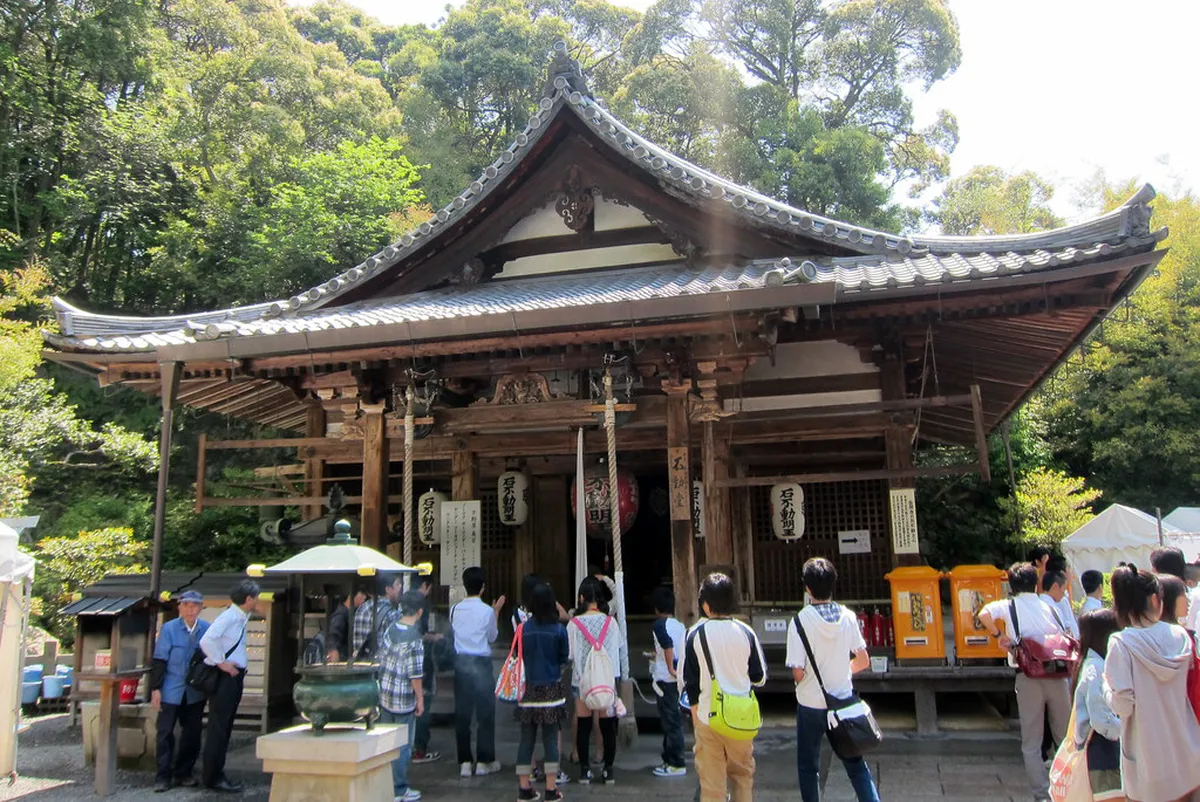
Guide to Traditional Setsubun Rituals for Kyoto Visitors
Kyoto comes alive during the traditional Setsubun rituals for Kyoto visitors guide in February 2026. This vibrant festival marks the traditional start of spring in the old lunar calendar. Local people throw beans to drive away evil spirits and welcome wonderful new good luck. It is a unique cultural experience for every traveler visiting Kyoto city this winter season.
Traditional Setsubun Rituals for Kyoto Visitors Guide
Mame-maki is the most famous ritual you will see during the Setsubun festival in Kyoto. People shout "Oni wa soto! Fuku wa uchi!" while they throw roasted soybeans at demons. This famous phrase translates to "Demons out! Luck in!" in the modern English language. You can join these lively events at many different local shrines across the city.
The ritual usually takes place on February 3rd at most major Kyoto locations. Priests and local celebrities throw small packets of beans into the large waiting crowds. Catching a packet is said to bring great fortune for the entire coming year. Check the best shrines for bean throwing to plan your daily route.
Wear comfortable shoes because these popular events get very crowded with local residents. Arrive at least thirty minutes early to secure a good viewing spot near the stage. Many shrines also offer sweet amazake ginger drinks to keep all visitors warm. This non-alcoholic rice drink is perfect for the cold February weather in Japan.
Geisha Performances at Yasaka Shrine
Yasaka Shrine hosts some of the most beautiful Setsubun events in all of Kyoto. Geiko and maiko from local districts perform traditional dances on the large main stage. Their colorful kimonos and elegant movements create a stunning visual display for every spectator. This is a rare chance to see geisha perform for free in public.
Performances happen several times throughout the day on February 2nd and February 3rd. After the dance, the geisha participate in the famous bean-throwing ceremony with the priests. They throw lucky bean packets to the excited spectators waiting in the shrine grounds. Look at the Yasaka Shrine performance times for the 2026 schedule.
The historic shrine is located at the end of Shijo-dori in the Gion district. It is easily accessible by bus or a short walk from Gion-Shijo train station. Entry to the shrine grounds is free for all visitors during the festival hours. Be sure to bring your camera for these incredible and rare cultural moments.
The Oni Demon Dance at Rozanji Temple
Rozanji Temple offers a more dramatic take on traditional Setsubun rituals for visitors. The "Oni-odori" or demon dance features three colorful demons representing human vices. These demons represent greed, anger, and ignorance in the ancient Buddhist teachings. They dance wildly to the loud sound of traditional drums and wooden flutes.
Priests eventually drive the demons away using sacred arrows and blessed roasted beans. This powerful performance is both scary and exciting for viewers of all ages. It provides a deep look into Japanese spiritual traditions and local folklore stories. Visit the Rozanji Temple demon guide for more specific details.
The temple is located near the beautiful Kyoto Imperial Palace grounds in central Kyoto. It charges a small fee of around 500 yen for special reserved seating. The main performance usually starts around 3:00 PM on the afternoon of February 3rd. This event is a favorite for families traveling with children during the winter.
Eating Ehomaki Lucky Sushi Rolls in 2026
Eating ehomaki is a delicious part of the Setsubun tradition for every Kyoto visitor. These long sushi rolls contain seven lucky ingredients for wealth and long health. You must eat the entire roll in total silence to keep your luck. This ensures your good luck does not escape through your mouth while eating.
You must also face the lucky direction of the year while eating your roll. For 2026, the lucky direction is officially designated as South-South-East in Japan. Most convenience stores and department stores sell these rolls across the city of Kyoto. You can learn how to buy ehomaki at local markets.
A standard ehomaki roll costs between 500 and 1,500 yen at most shops. Some luxury versions feature expensive seafood or even edible gold leaf on top. Buy yours early in the day because they often sell out very quickly. It makes for a fun and tasty dinner in your hotel room.
The Massive Festival Market at Yoshida Shrine
Yoshida Shrine holds one of the largest Setsubun festivals in the country of Japan. Over 800 food stalls line the paths leading up the hill to the shrine. You can find traditional snacks like yakisoba, takoyaki, and freshly grilled mochi cakes. The festive atmosphere is perfect for food lovers and families visiting the city.
The main ritual involves a large bonfire lit on the night of February 3rd. This fire symbolizes the burning away of the past year's many misfortunes. It creates a powerful and spiritual atmosphere under the dark winter night sky. You can check the Kyoto City Official Travel Guide for more local event maps.
Walking through the crowded food stalls takes about two hours during the peak times. The historic shrine is located near Kyoto University in the beautiful Sakyo Ward. Most people take a local city bus to the Kyodai-seimon-mae bus stop. Wear several warm layers because the mountain air gets very cold at night.
Frequently Asked Questions
When is the Setsubun festival in Kyoto for 2026?
The Setsubun festival in Kyoto takes place on February 3, 2026. Most major events happen on this day at shrines and temples. Some locations like Yasaka Shrine also hold smaller events on February 2. Plan to arrive early in the afternoon to see the main rituals and dances.
Is it free to attend Setsubun rituals in Kyoto?
Most Setsubun rituals at Kyoto shrines are free for the public to attend. Some temples may charge a small entry fee for special viewing areas or gardens. You should bring some cash for food stalls and lucky charms. It is a very affordable way to experience Japanese culture.
Can tourists participate in the bean-throwing rituals?
Tourists can easily participate by catching the lucky bean packets thrown from the stages. While only invited guests throw the beans, catching them brings you good luck. Be prepared for large crowds and lots of excitement during these events. It is a fun experience for everyone involved.
Following this traditional Setsubun rituals for Kyoto visitors guide ensures a memorable winter trip. You will experience unique Japanese customs and enjoy delicious local festival foods. Remember to dress warmly and arrive early at the shrines for the best views. Start planning your 2026 Kyoto winter adventure today for an unforgettable cultural journey.