
When is Setsubun Festival in Kyoto 2026: Full Guide
Are you wondering when is Setsubun festival in Kyoto 2026 for your upcoming winter holiday? This vibrant celebration marks the transition from winter to spring in the traditional calendar. Kyoto offers some of the most authentic rituals found anywhere in Japan during this time. Prepare for a day filled with bean-throwing, masked demons, and delicious seasonal snacks.
Exact Dates for Setsubun in Kyoto 2026
The main festivities for the Setsubun festival always occur on February 3 every single year. In 2026, this important cultural event falls on a Tuesday for all local residents and visitors. You should plan your itinerary around this specific date to see the most famous rituals. Many shrines also hold smaller preliminary events starting on February 2 to build excitement.
Most major ceremonies begin around 10:00 AM and continue until the late evening hours. You can find a full list of Kyoto winter events 2026 to complement your festival visit. Morning visitors often enjoy smaller crowds and better views of the early ritual performances. Evening events usually feature large bonfires and a more energetic atmosphere across the city.
Yoshida Shrine hosts one of the largest celebrations which spans three full days in February. Their festival begins on February 2 and concludes with a massive bonfire on February 4. This extended schedule makes it easier for tourists to experience the traditional atmosphere. Check the Kyoto City Official Travel Guide for any specific timing updates closer to your trip.
Planning your arrival for February 3 ensures you catch the peak bean-throwing ceremonies. These events happen at different times throughout the day at various temples and shrines. Most locations do not require tickets, making this an accessible event for every budget. Arrive at least thirty minutes early to secure a good spot near the main stages.
Best Shrines for Setsubun Festivities
Yasaka Shrine is a top destination for those wanting to see traditional dance performances. Local geisha and maiko from the Gion district perform dances on the central wooden stage. These performances are incredibly popular and showcase the elegant side of Kyoto's ancient culture. You can check the Yasaka Shrine geisha performance times to plan your afternoon perfectly.
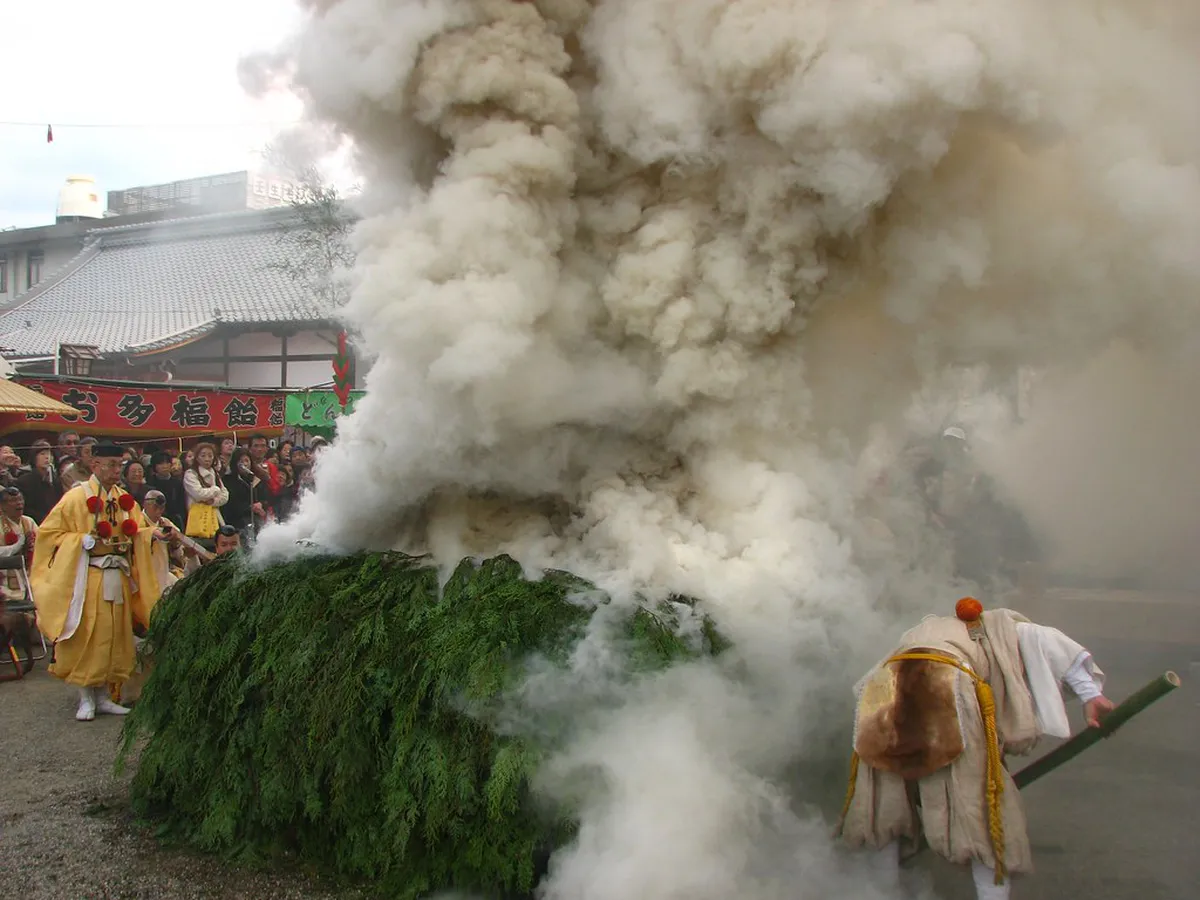
Yoshida Shrine offers a massive festival market with hundreds of unique food stalls. The path leading up the hill is lined with delicious snacks and lucky charms. This location is famous for its ancient fire ritual held on the final night. It provides a mystical atmosphere that feels like stepping back into old Japan.
Mibu-dera Temple is another fantastic choice for visitors seeking a unique theatrical experience. They perform a silent pantomime play called Mibu Kyogen throughout the Setsubun period. This tradition has been passed down for centuries and uses expressive masks to tell stories. The temple grounds become very lively with locals throwing beans to ward off evil spirits.
Heian Jingu Shrine also holds a large ceremony featuring a grand procession of participants. The bright red architecture of the shrine provides a stunning backdrop for the colorful costumes. This location is perfect for photographers who want to capture the scale of the festival. Most ceremonies here are free to watch and occur in the early afternoon.
Watching the Demon Dance at Rozanji
Rozanji Temple is famous for its unique demon dance known as the Oni-odori ritual. Three demons in red, green, and blue dance across the temple grounds to music. Each color represents a different human vice like greed, anger, or ignorance. You can read our Rozanji Temple demon dance guide for more specific details.
The performance usually starts at 3:00 PM on the afternoon of February 3, 2026. Priests eventually drive the demons away by throwing roasted soybeans at them during the play. This ritual is meant to purify the temple and the community for the coming spring. It is one of the most visually exciting events in Kyoto during February.
After the dance, visitors can purchase special packets of blessed beans for a small fee. These beans are said to bring health and good fortune for the entire year ahead. You might even see the demons interacting with the crowd before they are chased away. The temple grounds are small, so try to arrive at least one hour early.
The atmosphere at Rozanji is intimate and feels deeply connected to local spiritual traditions. It is located near the Kyoto Imperial Palace, making it easy to reach by public transport. Many families bring their children to watch the demons and participate in the bean-throwing. This event is a highlight for anyone visiting Kyoto during the winter season.
Traditional Foods for Setsubun 2026
Eating a special sushi roll called Ehomaki is the most popular culinary tradition for Setsubun. You must eat the entire roll in silence while facing the lucky direction. For 2026, the lucky direction is South-South-East according to the traditional zodiac calendar. This practice is believed to make your wishes come true for the new year.
You can learn how to buy lucky ehomaki at department stores and local convenience shops. Many high-end restaurants in Kyoto also offer gourmet versions of these lucky sushi rolls. They are typically filled with seven ingredients to represent the Seven Lucky Gods. Make sure to buy yours early as they often sell out by late afternoon.
Another important food tradition involves eating the same number of roasted soybeans as your age. This ritual is said to protect you from illness during the upcoming year. Many people also drink a special tea made with these roasted beans and pickled plums. You will find these beans sold in decorative packets at almost every shrine.
Street food stalls at Yoshida Shrine offer many other seasonal treats like hot sake and grilled mochi. These warm snacks are perfect for the chilly February weather in Kyoto. Prices for most festival snacks range from 500 to 1,000 yen per serving. Enjoying these local flavors is an essential part of the Setsubun festival experience.
Frequently Asked Questions
Is the Setsubun festival in Kyoto free to attend?
Most Setsubun events at shrines and temples are free for the general public to watch. You may need to pay a small fee for special seating or bean packets. Check the Japan National Tourism Organization website for general festival tips and travel advice.
What is the best time to see the geisha dances?
Geisha performances at Yasaka Shrine usually take place in the afternoon on February 2 and 3. Most shows happen between 1:00 PM and 4:00 PM on the main stage. Arrive early because thousands of people gather to see these rare and beautiful cultural displays.
What should I wear to the festival in February?
Kyoto is quite cold in early February, with temperatures often dropping near freezing at night. You should wear heavy layers, a warm coat, and comfortable walking shoes for the shrines. Most activities are outdoors, so bring gloves and a hat to stay warm during the rituals.
Knowing when is Setsubun festival in Kyoto 2026 helps you experience a unique side of Japan. Mark February 3 on your calendar to enjoy the best bean-throwing and demon-chasing events. Kyoto offers a magical atmosphere during this time that you will never forget. Start planning your winter journey today to secure the best accommodation near the historic Gion district.