
Expert Night Photography Tips for Nagasaki Lantern Festival
The Nagasaki Lantern Festival transforms the city into a glowing wonderland every winter. You need specific night photography tips for Nagasaki Lantern Festival to capture its true beauty. This guide helps you navigate the crowded streets and challenging light. Follow these steps to take professional photos during your 2026 visit.
Essential Gear for Festival Photography
Capturing the vibrant lanterns requires a fast lens and steady hands. A wide-angle lens with an aperture of f/2.8 or lower is ideal for street scenes. This allows more light into your sensor without using very long shutter speeds. You will capture more detail in the dark shadows of the city.
You should also bring a lightweight travel tripod for sharper images in darker alleys. Check out the best tripod spots for Nagasaki city lights to plan your setup. A tripod is essential for long exposures of the river reflections. It helps you keep your ISO low for cleaner images.
Carrying a spare battery is also vital because cold winter air drains power quickly. Keep your extra batteries in an inner pocket to keep them warm. You do not want your camera to die during a major performance. Always be prepared for the chilly Nagasaki winter nights.
Use a microfiber cloth to wipe away condensation from your lens frequently. Moving between warm indoor shops and cold streets causes fogging. Keep your gear at a steady temperature when possible. This ensures your photos remain clear and free of blur.
Top Locations to Capture the Glow
Minato Park serves as the main hub for the largest lantern displays. You will find massive zodiac animals and intricate sculptures glowing in the dark here. Arrive early to secure a spot before the heavy crowds arrive at sunset. The central stage often features traditional dances that make for dynamic action shots.
Spector Bridge, or Meganebashi, offers stunning reflections in the Nakashima River. The water creates a mirror effect for the yellow lanterns hanging above. This is a prime location for Nagasaki night view photography winter enthusiasts. Walk along the riverbank to find unique angles away from the main bridges.
Shinchi Chinatown is the heart of the festival and glows with red lanterns. The narrow streets are packed with color and interesting food stalls. Use a wide aperture to blur the background and focus on specific lanterns. This creates a beautiful bokeh effect in your festival photos.
Do not forget to explore the smaller shrines around the city. These locations are often quieter and offer a more peaceful atmosphere. You can take your time with your composition in these areas. Local temples often have unique lantern designs not found in the main parks.
Camera Settings for Glowing Lanterns
Setting your camera to manual mode gives you the most control over the light. Start with an ISO between 800 and 1600 to keep noise levels low. Use a shutter speed of 1/60th of a second to avoid motion blur. Adjust your aperture to f/4 for a good balance of sharpness and light.
White balance is critical for capturing the correct colors of the silk lanterns. Set your white balance to Daylight or Cloudy to preserve the warm orange tones. Using Auto White Balance often makes the scene look too blue or cold. For more details, see our guide on best camera settings for Nagasaki winter illuminations.
Shoot in RAW format to give yourself more flexibility during editing. RAW files preserve more detail in the bright highlights and dark shadows. You can easily fix exposure mistakes when you get home. This is especially helpful when dealing with the high contrast of glowing lanterns.
Turn off your flash to avoid ruining the natural glow of the festival. Flash light will make the lanterns look flat and wash out their colors. Rely on the ambient light provided by the thousands of lanterns. This creates a much more authentic and magical feeling in your images.
Managing Crowds and Composition
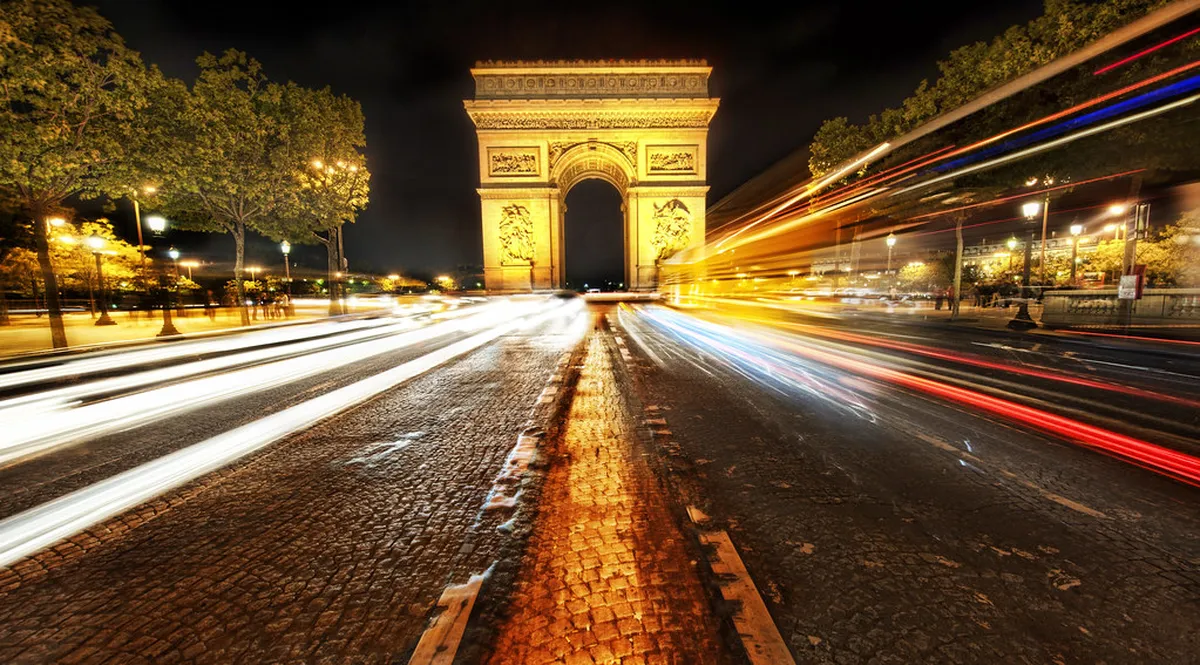
The festival attracts over a million visitors, making clear shots very difficult. Use a long exposure to blur moving people into ghostly shapes for a creative look. Alternatively, hold your camera high above your head to shoot over the crowds. This perspective can capture the sheer scale of the event.
Focus on small details like individual hand-painted lanterns to tell a more intimate story. Macro shots of the silk textures can be very striking. Look for interesting patterns in the way the lanterns are hung. These close-up photos add variety to your travel gallery.
Try to include local people in your frames to add a sense of scale. The red lanterns provide a vibrant backdrop for candid street photography. Be patient and wait for gaps in the crowd to get your perfect shot. Sometimes the best photos happen when you simply stand still.
Respect local residents by staying on marked paths and avoiding private entrances. Nagasaki is a living city with people going about their daily lives. Always be polite when setting up your tripod in public spaces. A little kindness goes a long way in busy festival environments.
Timing Your 2026 Photography Trip
The festival usually runs for two weeks starting from the Lunar New Year. In 2026, plan your visit for late January or early February for the best displays. Weekdays are generally less crowded than weekends, allowing for more tripod use. The lights typically turn on at 5:00 PM every evening.
Blue hour offers the most magical lighting for your festival photos. This occurs shortly after sunset when the sky turns a deep, rich blue. The contrast between the blue sky and orange lanterns is visually striking. Consult the Nagasaki Lantern Festival 2026 guide for specific event schedules.
Check the weather forecast for Nagasaki before you head out for the night. Rain can actually create beautiful reflections on the wet pavement. However, you will need a rain cover for your camera gear. Clear nights offer the best visibility for distant city lights.
Stay until the very end of the night for the quietest shooting conditions. Most crowds start to thin out after 9:00 PM. The lanterns usually stay lit until 10:00 PM or later on weekends. This final hour is the best time for wide-angle landscape shots.
Frequently Asked Questions
What is the best lens for the Nagasaki Lantern Festival?
A wide-angle lens with a fast aperture like f/2.8 is best. It allows you to capture large displays in low light. A 24mm or 35mm prime lens is also great for street photography.
Are tripods allowed at the Nagasaki Lantern Festival?
Tripods are allowed but can be difficult to use in crowded areas like Chinatown. Use a monopod or a small travel tripod for better mobility. Always be mindful of blocking foot traffic.
When is the best time to take photos at the festival?
Blue hour is the best time for photography. This happens about 20 to 30 minutes after sunset. The sky turns deep blue, providing a perfect contrast to the glowing lanterns.
How do I keep my camera batteries from dying in the cold?
Keep spare batteries in your pocket close to your body heat. Cold weather reduces battery life significantly. Swap them out as needed to keep your camera running all night.
Capturing the Nagasaki Lantern Festival is a rewarding experience for any photographer. Use these night photography tips for Nagasaki Lantern Festival to improve your 2026 shots. Remember to dress warmly and stay patient in the crowds. Visit the Nagasaki Official Tourism Guide for more travel updates today.