
Top Photo Spots for Nara Winter Lights 2026
Nara transforms into a glowing blue wonderland every February. The Ruribe no Utage event creates a magical atmosphere in the park. Finding the Best photo spots for Nara winter lights is essential for every photographer. This guide helps you capture the most stunning scenes in 2026.
The Enchanting Mirror Pond at Nara Park
For official information, visit Lonely Planet Nara.
For the most up-to-date details, check Historic Monuments of Ancient Nara before you go.
Kagami-ike Pond offers the most famous views during the winter festival. The blue LED lights reflect perfectly on the still water surface. This creates a symmetrical image that looks truly otherworldly. You should bring a tripod to capture the crisp details of the lights.Arriving early is vital for securing a prime spot by the water. The crowds tend to gather quickly once the sun sets. You can find more details in our Nara Ruribe illumination guide 2026. The best shots often happen during the blue hour just after dusk.
Focus your camera on the middle of the pond for the best balance. The surrounding trees add a natural frame to your composition. Try different shutter speeds to see how the light interacts with the water. These reflections are a highlight of any winter trip to Japan.
The cost to enter the park area is generally free for visitors. However, some specific garden areas may require a small entry fee. Check the Nara Park winter illumination opening hours before you plan your evening. Most lights turn on around 6:00 PM during the February event.
Stone Lanterns of Kasuga Taisha Shrine
Kasuga Taisha is famous for its thousands of traditional stone lanterns. During the Ruribe event, these paths are enhanced with modern light art. The "Flower of Light" installation is a must-see for creative photographers. It features glowing blossoms that change colors throughout the night.
Walking through the forest paths feels like stepping into a fairy tale. The soft glow of the Kasuga Taisha Mantoro lanterns 2026 provides a warm contrast. Use a wide aperture lens to create a beautiful bokeh effect. This makes the individual lights stand out against the dark forest.
Include the famous Nara deer in your photos if they are nearby. They often roam near the shrine even after the sun goes down. Be respectful of the shrine grounds while you set up your equipment. The mix of ancient tradition and modern lighting is unique to Nara.
The Majestic Ukimido Gazebo at Night
The Ukimido Gazebo sits elegantly in the middle of Sagi-ike Pond. This wooden structure is a classic subject for landscape photography. During winter, it is bathed in soft, colorful lights that reflect in the pond. The wooden bridge leading to the gazebo provides a great leading line.
Position yourself on the far side of the pond for a wide shot. This allows you to capture the gazebo and its full reflection. The winter air is often very still, which helps create mirror-like water. This is one of the most peaceful Nara winter events 2026 has to offer.
Visit the Nara City Tourism Association website for specific event maps. They often provide updates on which areas have the best lighting setups. The gazebo area is usually less crowded than the main Todai-ji entrance. It offers a quiet place to practice your long exposure techniques.
Todai-ji Temple and the Great Buddha Hall
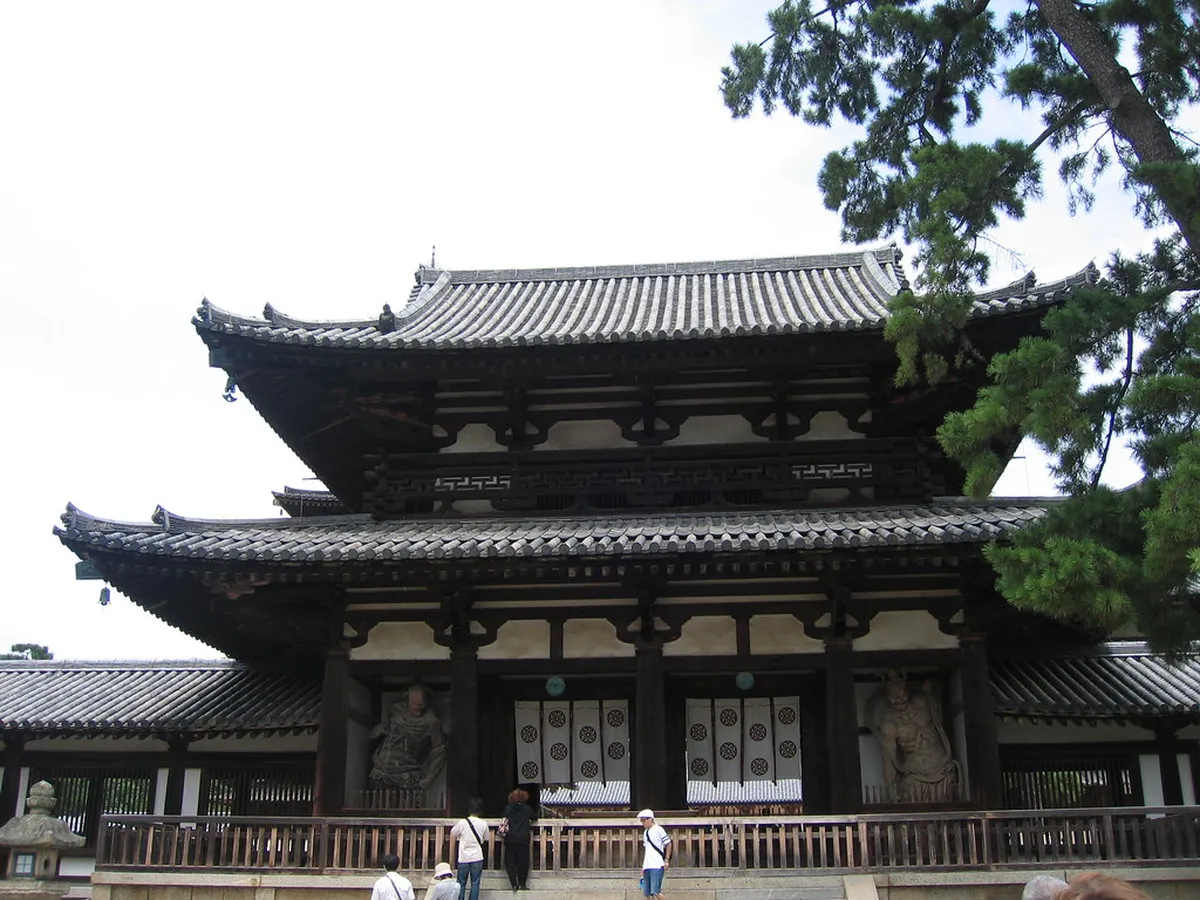
Todai-ji Temple is a UNESCO World Heritage site that looks grand at night. The Great Buddha Hall is illuminated to show its massive wooden structure. This creates a powerful and dramatic subject for your night photography. The approach to the temple is lined with glowing lanterns and art.
Use the Nandaimon Gate to frame the Great Buddha Hall in the distance. The massive guardian statues at the gate also look impressive under spotlights. You can learn more about the temple history at the Todai-ji Temple official site. Photography inside the hall is usually restricted, so focus on the exterior.
The contrast between the dark sky and the bright wood is striking. Try to include some of the surrounding stone lanterns for added depth. This area is a central part of the Ruribe illumination walking route. It is a perfect spot to end your photography tour of Nara.
Photography Tips for Nara Winter Lights
Winter nights in Nara can be very cold in February. Temperatures often drop below freezing once the sun goes down. You should wear thermal layers and bring hand warmers for comfort. Keeping your hands warm is essential for operating camera dials and buttons.
Cold weather can drain your camera batteries much faster than usual. Always carry at least two spare batteries in an inner pocket. This keeps them warm and ensures they hold their charge longer. A sturdy tripod is your most important tool for sharp night photos.
Use a remote shutter release or the camera timer to prevent shaking. Even a small movement can blur your long exposure shots. Experiment with different white balance settings to capture the blue lights accurately. Shooting in RAW format will give you more control during editing later.
Frequently Asked Questions
What are the best photo spots for Nara winter lights in 2026?
The top spots include Kagami-ike Pond for reflections and the Ukimido Gazebo. Kasuga Taisha Shrine offers beautiful stone lantern paths. Todai-ji Temple provides a grand backdrop for night photography. These locations are all within walking distance inside Nara Park.
Are tripods allowed during the Nara Ruribe illumination?
Yes, tripods are generally allowed in most open areas of Nara Park. However, they may be restricted in very crowded spots or inside temple buildings. Always be mindful of other visitors when setting up your gear. Use a compact tripod to stay mobile.
What time do the Nara winter lights turn on?
The lights typically turn on at 6:00 PM and stay lit until 9:00 PM. The Ruribe no Utage event usually runs for one week in February. Arrive around 5:30 PM to find your first photography spot before it gets dark.
Nara offers a unique winter experience for photographers in 2026. Capturing the Best photo spots for Nara winter lights requires some planning and patience. The combination of blue lights and ancient temples creates unforgettable images. Start planning your trip today to see these stunning displays in person.