
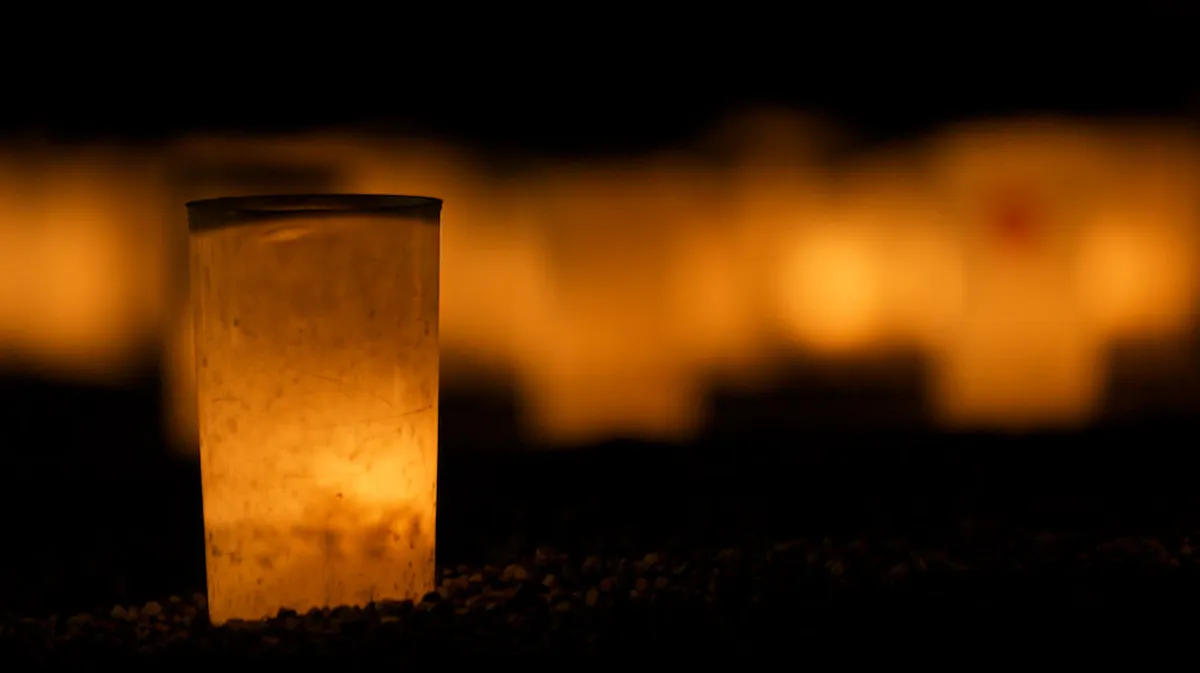
See the Magical Kasuga Taisha Mantoro Lanterns 2026 in Nara
Experience the magic of the Kasuga Taisha Mantoro lanterns 2026 during your next winter trip to Japan. The shrine glows with thousands of flickering lights during this ancient and beautiful spiritual event in Nara. Visitors from around the world gather to see this stunning display of devotion and traditional culture. It is a highlight of the Nara winter events 2026 season for many international travelers.
Schedule for Kasuga Taisha Mantoro Lanterns 2026
You can find the latest updates on Nara travel info.
For practical details and last-minute changes, use Nara travel info.
The main event occurs during the traditional Setsubun festival on February 3 in the year 2026. Lanterns are lit from 6:00 PM until around 8:30 PM for all visitors to enjoy the view. Another Mantoro event happens during the Obon festival in August for the summer season in Nara. Plan your trip early using the official Mantoro dates for your 2026 winter travel itinerary.Arriving before the sun sets allows you to see the lanterns before they are fully lit. The atmosphere changes quickly as the sky darkens and the small candles begin to flicker brightly. Visit the official Nara City Tourism Association website for the latest local event updates. You should check the weather forecast before heading out to the shrine grounds in the evening.
Crowds are largest between 6:30 PM and 7:30 PM when the lighting ceremony is most active. You should expect to wait in line if you want to enter the inner shrine corridors. The entrance fee for the inner area is approximately 500 yen for adults during the festival. Children can often enter for a reduced price depending on their age and student status.
- Setsubun Mantoro: February 3, 2026
- Obon Mantoro: August 14-15, 2026
- Lighting Time: 6:00 PM to 8:30 PM
- Inner Area Fee: 500 Yen
History of the Kasuga Taisha Lantern Ceremony
The tradition of lighting lanterns at Kasuga Taisha began over 800 years ago in ancient Nara. Samurai and common citizens donated these lights to offer sincere prayers for peace and prosperity. Each lantern represents a specific wish or a thank you to the deities of the shrine. You can learn more about the history of the lantern ceremony through local museum exhibits.
Kasuga Taisha features about 2,000 stone lanterns and 1,000 bronze lanterns throughout the entire grounds. The stone lanterns line the long forest paths that lead up to the main shrine buildings. Many of these stone structures are covered in thick green moss from centuries of forest growth. They create a very mysterious and spiritual atmosphere even during the daylight hours in Nara.
Ornate bronze lanterns hang from the eaves of the bright red corridors inside the main shrine. These lanterns come in many different shapes and sizes based on when they were first donated. Some lanterns feature intricate patterns of deer, which are the sacred messengers of the Kasuga deities. Seeing all 3,000 lanterns lit at once is a rare and deeply moving experience.
How to Experience the Lantern Path in Nara
Start your evening journey at the first torii gate located near the edge of Nara Park. The walk to the shrine takes about 20 minutes through the quiet and dark forest paths. You will see rows of stone lanterns glowing softly under the tall and ancient cedar trees. This path is part of the popular walking route from Nara Park to the shrine.
As you approach the main shrine, the number of glowing lanterns will increase significantly near the entrance. Follow the flow of the crowd and stay on the designated paths for your own safety. Volunteers and shrine staff will be present to help guide visitors toward the main inner sanctuary. Be prepared for a slow walking pace because many people stop to take beautiful photos.
Once you reach the inner buildings, you can pay the small fee to enter the corridors. This area offers the most famous views of the hanging bronze lanterns reflecting against the red wood. The light from the candles creates a warm and golden glow throughout the historic shrine complex. It is truly one of the most magical sights you will see in Japan.
- Start at Nara Park entrance
- Walk the forest path for 20 minutes
- Enter the main shrine gate
- Pay the fee for inner corridor access
Photography Tips for the Lantern Festival
Capturing the glow of 3,000 lanterns requires a very steady hand and a lot of patience. Tripods and monopods are usually not allowed inside the shrine during the busy festival hours in Nara. You should set your camera to a high ISO to capture the flickering candlelight effectively. Use these photography tips for the lantern festival to get the best possible shots.
Focus on the details of the individual bronze lanterns to create a sense of depth in photos. The contrast between the dark night sky and the orange candle flames is very beautiful to see. Try to find a spot where the lanterns lead the eye toward the shrine architecture. Avoid using a flash because it will ruin the natural and soft glow of the candles.
Be mindful of other visitors who are also trying to enjoy the spiritual atmosphere of the shrine. Move quickly after taking your shots so that others can have a turn at the best viewpoints. The forest path offers great opportunities for long-exposure shots if you can find a steady surface. Remember that the experience is just as important as the photos you take home.
Practical Tips for Your Winter Visit to Nara
Nara becomes very cold during the February lantern festival evenings so you must prepare for low temperatures. Temperatures often drop below freezing once the sun goes down inside the thick forest grounds. Wear several thermal layers and a heavy winter coat to stay warm while you are walking. Check the Nara winter packing guide for more detailed clothing advice for 2026.
The gravel paths can be uneven and slippery if there has been any rain or light snow. Wear comfortable walking shoes with good grip to prevent any accidents during your evening shrine visit. Carrying a small flashlight can be helpful for seeing the path in the darker forest sections. Many visitors also bring portable hand warmers which are sold at local convenience stores in Nara.
Public transportation from Nara Station to the park area is very frequent during the festival dates. You can take a local bus or enjoy a 20-minute walk through the charming town center. Be aware that the last buses may be very crowded after the lantern ceremony concludes. Plan your return trip to your hotel in advance to avoid any long wait times.
- Wear thermal heat-tech layers
- Bring portable hand warmers
- Use sturdy walking shoes
- Carry a small flashlight
Combining Mantoro with a Nara Winter Itinerary
Most visitors spend the entire day at Nara Park before heading to the shrine for the evening. You can visit the famous bowing deer and the massive Todai-ji Temple during the early afternoon. Eat a warm and filling meal in the town center before the evening ceremony begins. Follow this guide to see the winter lanterns for a smooth trip.
Nara offers many delicious winter foods like hot udon noodles and traditional grilled mochi rice cakes. These warm snacks will help you stay energized for the long walk through the shrine forest. You can find many cozy restaurants located along the main street leading to the park entrance. This fits perfectly into a 3-day Nara winter itinerary for your 2026 vacation.
After the lantern festival ends, you might want to see the other local illuminations in the area. The nearby Nara Ruribe event often takes place around the same time in early February. This creates a wonderful evening of light and color throughout the historic city of Nara. Make sure to book your accommodation early as hotels fill up quickly during festival weeks.
Frequently Asked Questions
When is the Kasuga Taisha Mantoro in 2026?
The Kasuga Taisha Mantoro lanterns 2026 will be lit on the evening of February 3. This event coincides with the Setsubun festival which marks the start of spring in Japan. Lanterns typically glow from 6:00 PM to 8:30 PM. You can find more details in our Nara winter guide.
Is there an entrance fee for the lantern festival?
It is free to walk along the outer paths of the shrine to see the stone lanterns. Access to the inner corridors with hanging bronze lanterns costs about 500 yen per person. This fee helps maintain the historic shrine grounds and supports the ceremony.
Can I use a tripod for photography at the shrine?
Tripods and monopods are generally not permitted inside the shrine grounds during the lantern festival. The paths are very narrow and the crowds are quite large during the peak evening hours. Please be respectful of other visitors while taking your photos.
How do I get to Kasuga Taisha from Nara Station?
You can take a bus from JR Nara or Kintetsu Nara Station to the Kasuga Taisha Honden stop. Alternatively, you can enjoy a scenic 30-minute walk through Nara Park to reach the shrine entrance. The walk is very pleasant and passes many friendly deer.
The Kasuga Taisha Mantoro lanterns 2026 offer a unique and spiritual look into Japanese history and culture. Plan your visit for February 3 to see the shrine at its most beautiful and glowing state. Remember to dress warmly and arrive early to enjoy the full experience of the lantern path. For more travel tips, explore our Nara winter itinerary to complete your 2026 trip planning.