
Best time to visit Kasuga Taisha lanterns in 2026
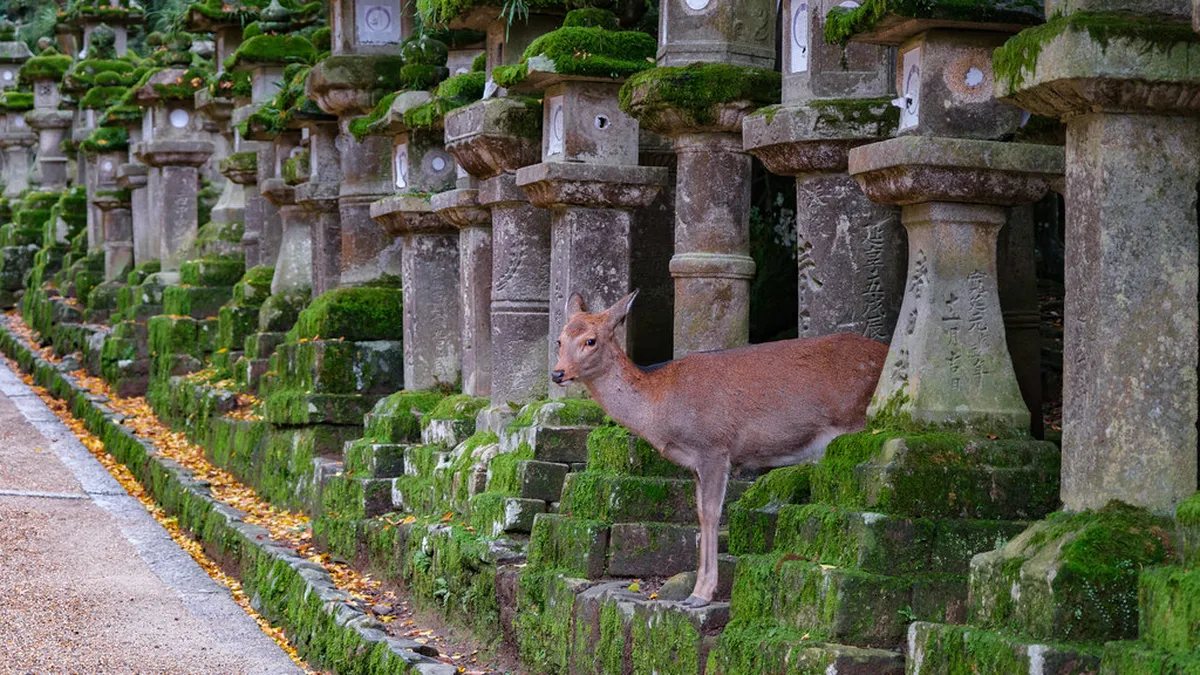
Kasuga Taisha in Nara is famous for thousands of bronze and stone lanterns. Finding the Best time to visit Kasuga Taisha lanterns ensures a magical experience. In 2026, special festivals light up the entire shrine grounds. Planning your trip around these dates offers unforgettable views of this UNESCO site.
Best time to visit Kasuga Taisha lanterns in 2026
For the most up-to-date details, check Nara City Tourism Association before you go.
For practical details and last-minute changes, use Japan National Tourism Organization.
The lanterns only light up twice a year during the Mantoro festivals. These events occur in early February and mid-August. Most visitors prefer the winter festival for its crisp night air. However, the summer event offers a warm, festive atmosphere for families.Regular shrine hours usually end before it gets dark. You cannot see the lanterns glowing on a normal evening. The special Mantoro events extend opening hours until late at night. Check the Kasuga Taisha Mantoro lanterns 2026 schedule before you travel.
Arriving just before sunset is the best strategy. This allows you to see the lanterns in twilight. The golden glow looks stunning against the darkening forest. You will also avoid the heaviest crowds by arriving early. Many people arrive late and miss the best lighting.
Setsubun Mantoro: The February Lantern Festival
Setsubun Mantoro takes place on February 3rd every year. This event marks the beginning of spring in the old calendar. Priests light over 3,000 lanterns across the shrine grounds. It is a deeply spiritual and visual experience for all.
The temperature in Nara during February is quite cold. Expect evening lows around 2°C (35°F) in the forest. Wearing thermal layers is essential for staying comfortable. You can learn more about what to wear for Kasuga Taisha Mantoro to stay warm.
The event usually starts around 6:30 PM. Lanterns stay lit until approximately 8:30 PM. Admission to the inner shrine area costs about 500 yen ($3.50). This fee helps maintain the historic shrine buildings for the future. It is a small price for such beauty.
Chubon Mantoro: The August Lantern Festival
The summer festival happens on August 14th and 15th. This coincides with the Obon season in Japan. Many people visit to honor their ancestors during this time. The atmosphere is lively and filled with ancient tradition.
Summer nights in Nara are humid and warm. Temperatures often stay above 25°C (77°F) even after sunset. Mosquito repellent is a must for the forest paths. The lush green trees provide a beautiful backdrop for the lanterns. Visit the Nara City Tourism Association for summer event updates.
Special dance performances often take place during the summer event. You can watch traditional Bugaku dances on the shrine stage. These performances add a cultural layer to the visual spectacle. It is a great way to experience Nara's rich heritage. The music echoes through the quiet forest trees.
Tips for Visiting Kasuga Taisha Lanterns
Walking to the shrine takes about 25 minutes from Nara Park. The path leads through a dense forest filled with deer. These deer are friendly but may approach you for food. Follow the walking from Nara Park to Kasuga Taisha route for the best views.
- Wear comfortable walking shoes for the gravel paths.
- Bring a small flashlight for the darker forest sections.
- Carry cash for the inner shrine admission fee.
- Arrive by 5:30 PM to secure a good spot.
Tripods are generally not allowed during the busy festival nights. This rule helps keep the narrow paths safe for everyone. Use a camera with good low-light capabilities instead. High ISO settings will help you capture the soft lantern light. Avoid using a flash as it ruins the mood.
Public transport becomes very crowded during the Mantoro festivals. Buses from Kintetsu Nara Station run frequently but fill up fast. Walking is often faster than waiting for a bus. The walk through the park is very peaceful at night. Just be careful of the uneven stone steps.
Frequently Asked Questions
Is Kasuga Taisha free to enter for the lanterns?
Entry to the outer grounds is free for all visitors. However, the inner sanctum requires a small fee of 500 yen. This area contains the most beautiful bronze lanterns. It is worth the cost to see them up close.
Can I see the lanterns lit every night in Nara?
No, the lanterns only light up during special festival dates. These occur in February and August each year. Check the Kasuga Taisha setsubun mantoro 2026 dates for winter planning. On other nights, the shrine remains dark.
Are the Kasuga Taisha lanterns made of real gold?
Most of the hanging lanterns are made of bronze. The standing lanterns along the paths are carved from stone. They have been donated by devotees over many centuries. Some older lanterns feature beautiful gold leaf details.
Finding the Best time to visit Kasuga Taisha lanterns makes your Nara trip special. Plan for February or August to see the full display. The glowing lanterns create a truly spiritual atmosphere in the forest. Enjoy your magical evening at this historic Japanese shrine in 2026.