
Exploring the History of the Kasuga Taisha Lantern Ceremony
The Kasuga Taisha Shrine stands as a beautiful beacon of ancient Japanese history and spiritual culture. Visitors flock to Nara to learn the history of the Kasuga Taisha lantern ceremony each year. This sacred event transforms the forest grounds into a magical sea of flickering golden light. In 2026, you can witness this timeless tradition and connect with Japan's deep religious heritage.
Ancient Roots of the Mantoro Tradition
For practical details and last-minute changes, use Nara travel info.
For official information, visit Nara travel info.
The tradition of lighting lanterns at Kasuga Taisha began over 800 years ago during the Heian period. Early worshippers offered these lights to show their deep devotion to the powerful Shinto deities. These first lanterns were simple but held great spiritual meaning for the local people of Nara. Today, the shrine maintains this ancient link to the distant past through careful preservation.The term Mantoro means ten thousand lanterns in the traditional Japanese language used by shrine priests. While the actual number varies, thousands of lights currently fill the vast and wooded shrine grounds. This practice grew popular among the ruling elite before spreading to all levels of society. It eventually became a national symbol of peace, safety, and prosperity for the entire country.
According to the Visit Nara official guides, the ceremony reflects the unique harmony of nature. The flickering flames represent the spirits of ancestors returning to watch over their living family members. Priests continue to light each wick by hand to maintain the authenticity of the ancient ritual. This dedication ensures that the historical atmosphere remains unchanged for modern visitors to enjoy.
The Evolution of Bronze and Stone Lanterns
Wealthy samurai and local merchants donated most of the bronze lanterns found hanging at the shrine. These donors wanted to ensure their families received divine protection through these sacred and expensive light offerings. You can still see their names carved clearly into the ancient metal of the hanging lanterns. Many of these bronze pieces date back several centuries and show incredible artistic craftsmanship.
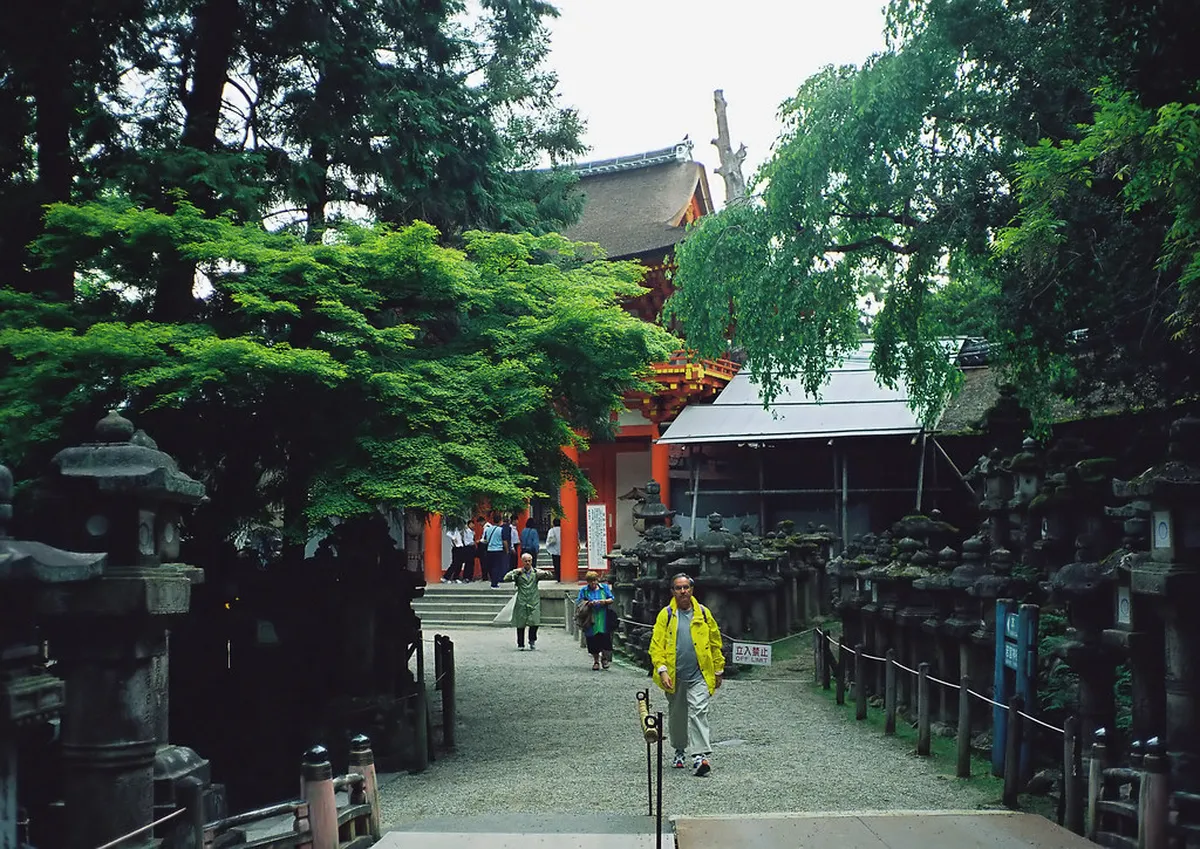
The stone lanterns were mostly given by ordinary citizens living in Nara during the Edo period. These lanterns line the long pathways leading through the forest to the main shrine buildings. Each stone pillar represents a personal prayer for health, safety, or success in a family business. The moss-covered stone creates a sense of age and mystery along the dark forest trails.
You will notice that many lanterns feature carvings of deer, which are sacred messengers in Nara. These artistic details highlight the deep connection between the shrine and the surrounding natural environment. When you visit the Kasuga Taisha Mantoro lanterns 2026 event, look closely at these historical carvings. They tell the stories of the people who built this tradition over many generations.
Spiritual Meaning of the Lantern Ceremony
The act of lighting a lantern is a powerful form of prayer in Shinto belief systems. Each flame is thought to guide the spirits and dispel the darkness of the human world. During the ceremony, the entire shrine is bathed in a warm and gentle orange glow. This light creates a bridge between the physical world and the realm of the divine spirits.
The ceremony is held to pray for the happiness of all people and world peace. It is a time for reflection and gratitude for the blessings received throughout the previous year. Many locals attend the event to honor their ancestors and seek guidance for the future. The quiet atmosphere of the shrine helps visitors feel a sense of inner peace and calm.
To fully appreciate the spiritual side, you should find the best time to visit during the peak lighting hours. Arriving just before dusk allows you to see the transition from daylight to the magical lantern glow. This shift in light symbolizes the awakening of the spiritual world within the sacred shrine forest. Please remember to remain quiet and respectful while the priests perform their traditional duties.
How the Ceremony Has Changed Over Time
In the past, lanterns were lit every night by dedicated shrine workers and local volunteers. As the cost of oil and candles rose, the daily lighting became difficult to maintain. The shrine eventually decided to hold major lighting events only twice every year for the public. These events occur during the transition between seasons in February and again in August.
Modern technology has helped the shrine preserve the history of the Kasuga Taisha lantern ceremony for future generations. While they still use real candles for major festivals, they use LED lights for daily displays. This balance allows the shrine to save resources while keeping the historical spirit alive every day. Tourists from all over the world now come to witness this spectacular display of light.
If you plan on taking photos, you should review some photography tips before your trip. Capturing the low light of the lanterns requires specific camera settings and a very steady hand. Tripods are often restricted in crowded areas to ensure the safety of all festival attendees. Respecting these rules helps preserve the solemn and sacred atmosphere of the historic site.
Experiencing the History in 2026
Visiting Nara in 2026 offers a unique chance to step back into Japan's rich imperial history. The Kasuga Taisha lantern ceremony remains one of the most authentic cultural experiences in the country. You should check the Setsubun Mantoro dates early to book your accommodation in advance. Nara becomes very busy during these festival periods, so early planning is essential for travelers.
Entry to the outer shrine grounds is free, but special areas require a small admission fee. This fee helps the shrine maintain the thousands of lanterns and the surrounding ancient forest. Expect to pay around 500 yen to enter the inner corridors where the bronze lanterns hang. This small contribution ensures the history of the Kasuga Taisha lantern ceremony continues for years.
- Wear warm clothing as Nara can be very cold during the February ceremony.
- Arrive at least one hour before sunset to secure a good viewing spot.
- Use public transportation as parking near the shrine is extremely limited during festivals.
- Respect the 'no photography' signs in certain sacred areas of the inner shrine.
The walk from Nara Park to the shrine takes about twenty minutes through a beautiful forest. You will pass hundreds of stone lanterns and friendly wild deer along the ancient path. This journey is part of the historical experience and prepares your mind for the ceremony. Taking your time to enjoy the walk will make the final lantern display even more rewarding.
Frequently Asked Questions
What is the history of the Kasuga Taisha lantern ceremony?
The history of the Kasuga Taisha lantern ceremony dates back over 800 years to the Heian period. It began as a way for worshippers to offer light to the Shinto gods. Over centuries, thousands of bronze and stone lanterns were donated by people from all walks of life.
How many lanterns are at Kasuga Taisha?
There are approximately 3,000 lanterns located on the grounds of Kasuga Taisha Shrine. This includes about 1,000 bronze hanging lanterns and 2,000 stone lanterns lining the paths. During the Mantoro festivals, all of these lanterns are lit simultaneously to create a stunning display.
When does the lantern ceremony take place in 2026?
The ceremony happens twice a year: once in February for Setsubun and once in August for Obon. You should verify the specific Setsubun Mantoro dates for 2026 before you travel. These events usually coincide with the traditional changing of the seasons.
The history of the Kasuga Taisha lantern ceremony is a testament to Japan's enduring spiritual traditions. Walking through the glowing corridors of the shrine offers a profound connection to the past. Plan your visit for 2026 to experience this magical event in the heart of Nara. It is an unforgettable journey into the light and soul of Japanese culture.