
Wakakusa Yamayaki Festival History and Traditions Guide
The Wakakusa Yamayaki festival history and traditions are truly unique to Nara. This annual event lights up the winter sky in Japan every January. It involves setting an entire mountain on fire for thousands to see. You should learn about its past before visiting in 2026.
Ancient Origins of the Mountain Fire
The history of this event dates back many centuries. One popular legend involves a land dispute from the 1700s. Two famous temples fought over the mountain boundaries. These were the Kofuku-ji and Todai-ji temples.
Local officials eventually stepped in to settle the long argument. They decided to burn the grass to clear the land. This act helped mark the borders clearly for everyone. It eventually turned into the festival we see today.
Another theory suggests the fire helps drive away wild boars. These animals often caused damage to local farms and crops. Burning the dead grass prevented them from hiding nearby. It also helped new grass grow in the spring.
Check the Wakakusa Yamayaki 2026 schedule for exact dates. You can also visit the official Visit Nara website for more local history. Learning these stories makes the fire even more impressive.
Sacred Wakakusa Yamayaki Festival History and Traditions
Three religious groups work together to host this massive fire event. These include Kasuga Taisha, Kofuku-ji, and the famous Todai-ji temple. This cooperation is rare and shows great unity in Nara. It highlights the spiritual importance of the local mountain.
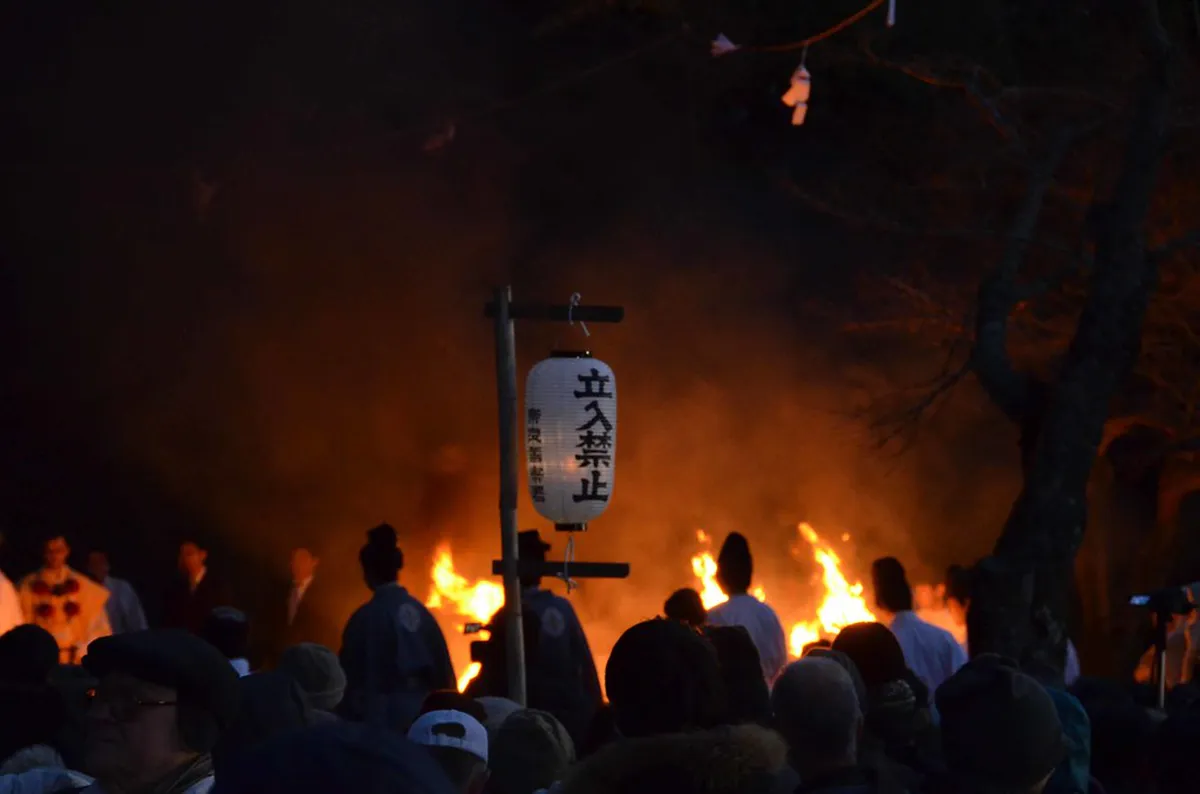
The sacred fire starts at the Kasuga Taisha Shrine during the afternoon. Monks and priests carry the flame in a traditional parade. They wear ancient costumes that reflect centuries of Japanese culture. This procession moves slowly toward the base of Mount Wakakusa.
A small bonfire is lit first at the foot of the hill. The fire represents the purification of the land and the spirit. Many people gather here to watch the monks perform their rituals. It is a solemn moment before the big celebration begins.
You can see the influence of the Todai-ji Temple during these ceremonies. Their participation ensures the event follows strict Buddhist and Shinto customs. This blend of traditions makes the festival very special for locals.
The Fire and Fireworks Display
The main event begins with a spectacular fireworks display over the mountain. These fireworks signal the start of the actual mountain burning ritual. The bright colors contrast beautifully against the dark winter night sky. Most visitors find this part of the evening truly breathtaking.
After the fireworks, hundreds of people light the dry grass on fire. They use long torches to spread the flames across the slopes. The fire moves quickly across the 33 hectares of open land. It creates a glowing orange light visible from across the city.
The entire mountain seems to glow for nearly an hour or more. Firefighters stand by to ensure the flames remain under control. They protect the surrounding forests and nearby ancient wooden temples. Safety is always the top priority for the festival organizers.
Finding best viewing spots for Nara mountain burning is essential for photographers. Many people head to Nara Park for an unobstructed view. Others prefer watching from the roof of the prefectural government building.
Attending the Festival in 2026
Planning your trip for January 2026 requires some early preparation. The festival is free to watch from most public areas in Nara. However, the best spots fill up several hours before the fireworks. You should arrive early to secure a good place to stand.
The weather in Nara during late January is usually quite cold. Temperatures often drop below freezing once the sun goes down. Wear several layers of warm clothing and bring heat packs. Good boots are also helpful if you plan to walk around.
You can explore other attractions while waiting for the fire to start. Visit the Kasuga Taisha Mantoro lanterns 2026 display during your stay. Many temples offer special evening hours during the weekend of the festival.
Local food stalls sell hot snacks and drinks near the park entrance. You can try roasted sweet potatoes or hot sake to stay warm. These stalls add a lively atmosphere to the cold winter evening. It is a great way to experience local Japanese culture.
Frequently Asked Questions
What is the history of the Wakakusa Yamayaki?
The festival began as a way to settle land disputes between temples. It also served to drive away wild boars from the mountain. Today, it is one of the most famous Nara winter events 2026 has to offer. It represents unity and peace.
Is the mountain burning festival free to watch?
Yes, you can watch the fireworks and the fire for free. Most people gather in Nara Park for the best views. Some specific viewing areas may require a small fee for better seating. Arrive early to get the best spot without paying.
When does the fire start during the festival?
The fireworks usually begin around 6:15 PM in late January. The actual mountain burning starts immediately after the fireworks end. The flames are most visible for about 30 to 60 minutes. Check local schedules for the exact 2026 timing.
The Wakakusa Yamayaki festival history and traditions offer a deep look into Nara. This fire event is a must-see for anyone visiting Japan in 2026. Make sure to dress warmly and arrive early to enjoy the show. It is an experience you will never forget.