
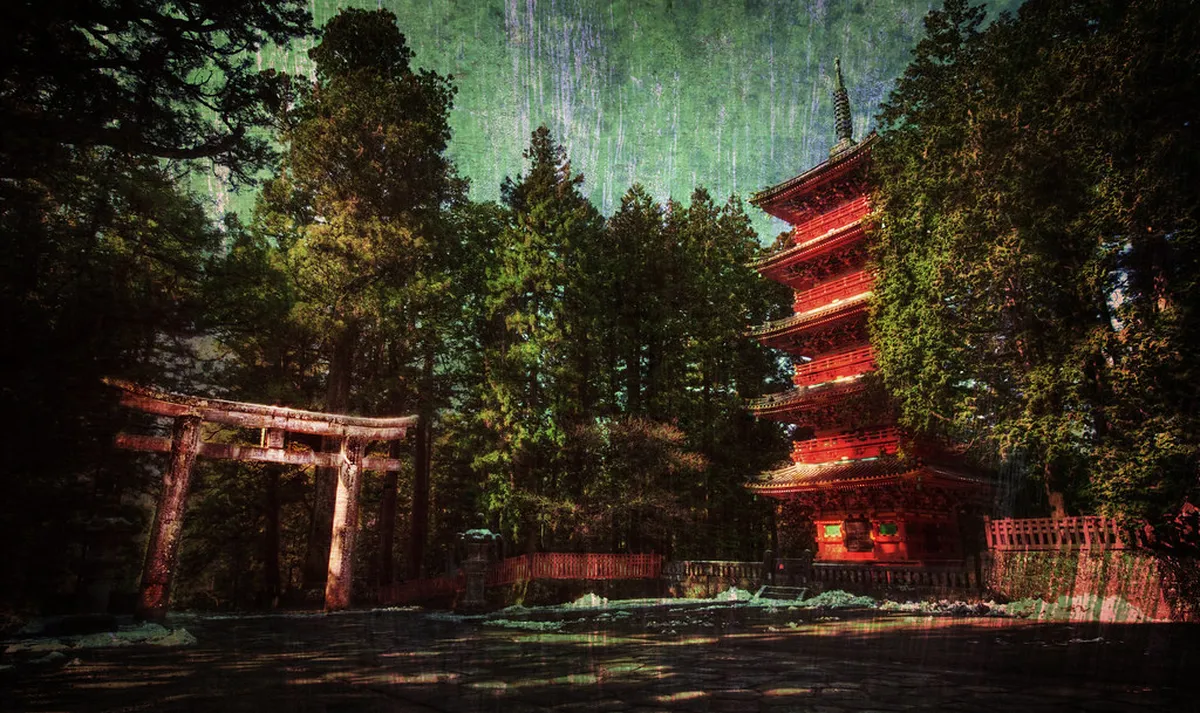
Guide to Night Photography at Nikkō Winter Festivals 2026
Nikkō transforms into a stunning winter wonderland during the cold months of January and February. The snowy landscapes and glowing lanterns create perfect scenes for your great night photography journey. This guide focuses on night photography at Nikkō winter festivals 2026 for all skill levels. You will learn the best techniques to capture the magical glow of the Japanese winter. Start your adventure by visiting the Best Winter Photography Spots Nikkō for inspiration.
Top Festivals for Night Photography
For the most up-to-date details, check Nikkō travel info before you go.
For official information, visit Nikkō travel info.
The Yunishigawa Kamakura Festival is a major highlight for photographers in the Nikkō region. Hundreds of small snow huts glow with warm candlelight along the very quiet river banks. This unique setting creates a dreamlike atmosphere that is perfect for your long exposure shots. You will find endless inspiration while walking through this historic and very beautiful mountain village.Most light-up events begin around 5:30 PM and continue until late in the evening. You should check the Yunishigawa Kamakura Festival 2026 guide for exact dates. The main site usually charges a small entry fee of about 500 yen per person. Arriving early allows you to find the best tripod positions before the large crowds arrive.
Lake Chuzenji also hosts wonderful winter events featuring ice sculptures and beautiful night illuminations. These displays look incredible when the moon reflects off the frozen surface of the lake. You can capture the contrast between the colorful lights and the deep blue winter sky. Consult the Nikko Official Guide for more details on specific 2026 event timings.
Essential Gear for Cold Night Shoots
Cold weather drains camera batteries much faster than you might expect during a winter night. Always carry at least two spare batteries inside your warm jacket pockets for easy access. Keeping them close to your body heat ensures they remain functional throughout the long evening. This simple tip will prevent your camera from dying during a crucial photo moment.
A sturdy tripod is absolutely vital for capturing sharp images in low light festival conditions. Windy mountain weather can cause camera shake if your equipment is too light or unstable. Use a remote shutter release to avoid touching the camera while taking your long exposures. You can find more advice in our best camera gear for Nikko winter photography guide.
You should also pack several chemical hand warmers to keep your fingers nimble and warm. Operating small camera buttons becomes very difficult when your hands are frozen in the snow. Wear thin gloves with touch-screen fingertips to maintain control without exposing your skin to ice. Proper preparation will allow you to stay outside longer and capture better festival images.
Camera Settings for Snow and Lanterns
Shooting snow at night requires careful exposure management to keep the whites looking clean. Use manual mode to control the balance between the lanterns and the dark surroundings. Start with an ISO between 400 and 800 to maintain high image quality. This range helps you avoid excessive noise while capturing the soft glow of candles.
Set your white balance to the Tungsten or Incandescent setting for the most natural look. This choice preserves the warm orange glow of the traditional lanterns against the snow. It also prevents the snowy background from looking too yellow or muddy in your photos. Shooting in RAW format gives you more flexibility to adjust colors during post-processing later.
Try using a slow shutter speed between two and eight seconds for the best results. This duration allows enough light to enter the lens without overexposing the bright candle flames. Adjust your aperture to f/8 or f/11 to ensure the entire scene remains sharp. Experiment with different settings to find the perfect look for each unique festival location.
Iconic Locations Beyond the Festivals
The Shinkyo Bridge looks incredible when it is illuminated against a fresh layer of snow. Its bright red color provides a stunning focal point for your night photography compositions. This spot is very easy to reach from the main town area of Nikkō. You can find excellent Shinkyo Bridge winter photography tips to help you plan your visit.
The Kanmangafuchi Abyss offers a spooky and beautiful atmosphere during the quiet winter nights. Rows of stone statues wear red hats and white snow capes in the dark. Use a small flashlight to light-paint the statues during a long exposure for creative effects. This area is usually very quiet and provides a peaceful experience for dedicated photographers.
Lake Chuzenji is another fantastic location for capturing the stars above the high mountain peaks. The clear winter air in Nikkō provides excellent visibility for Milky Way photography in 2026. Head to the southern shore for the best views away from the local town lights. The combination of frozen water and starry skies creates a truly majestic winter scene.
Frequently Asked Questions
What is the best time for night photography in Nikkō?
The best time is from late January to mid-February when snow is deepest. Festivals usually start their light-up displays around 5:30 PM during the blue hour. This timing provides a beautiful balance between the natural sky light and the glowing lanterns.
Are tripods allowed at the Yunishigawa Kamakura Festival?
Yes, tripods are generally allowed at the festival but space can be very limited. You should avoid blocking paths or interfering with the movement of other festival visitors. Arriving early is the best way to secure a safe spot for your tripod.
How cold does it get in Nikkō during winter nights?
Temperatures often drop between -5°C and -10°C (23°F to 14°F) during the winter nights. It is essential to wear thermal layers and waterproof boots to stay warm and dry. Mountain winds can make the air feel much colder than the actual temperature.
Capturing night photography at Nikkō winter festivals 2026 is a rewarding experience for every traveler. The combination of ancient traditions and snowy landscapes creates images you will cherish forever. Remember to pack extra batteries and a sturdy tripod for the best results. Plan your trip early to enjoy the magical atmosphere of Japan in winter.